
Brandon Mason
Phone
(917) 924-2145
Email
[email protected]

Lic. Associate Broker
With over $200 million in sales and hundreds of transactions throughout Manhattan and Brooklyn, Brandon’s record speaks for itself. He embodies the...
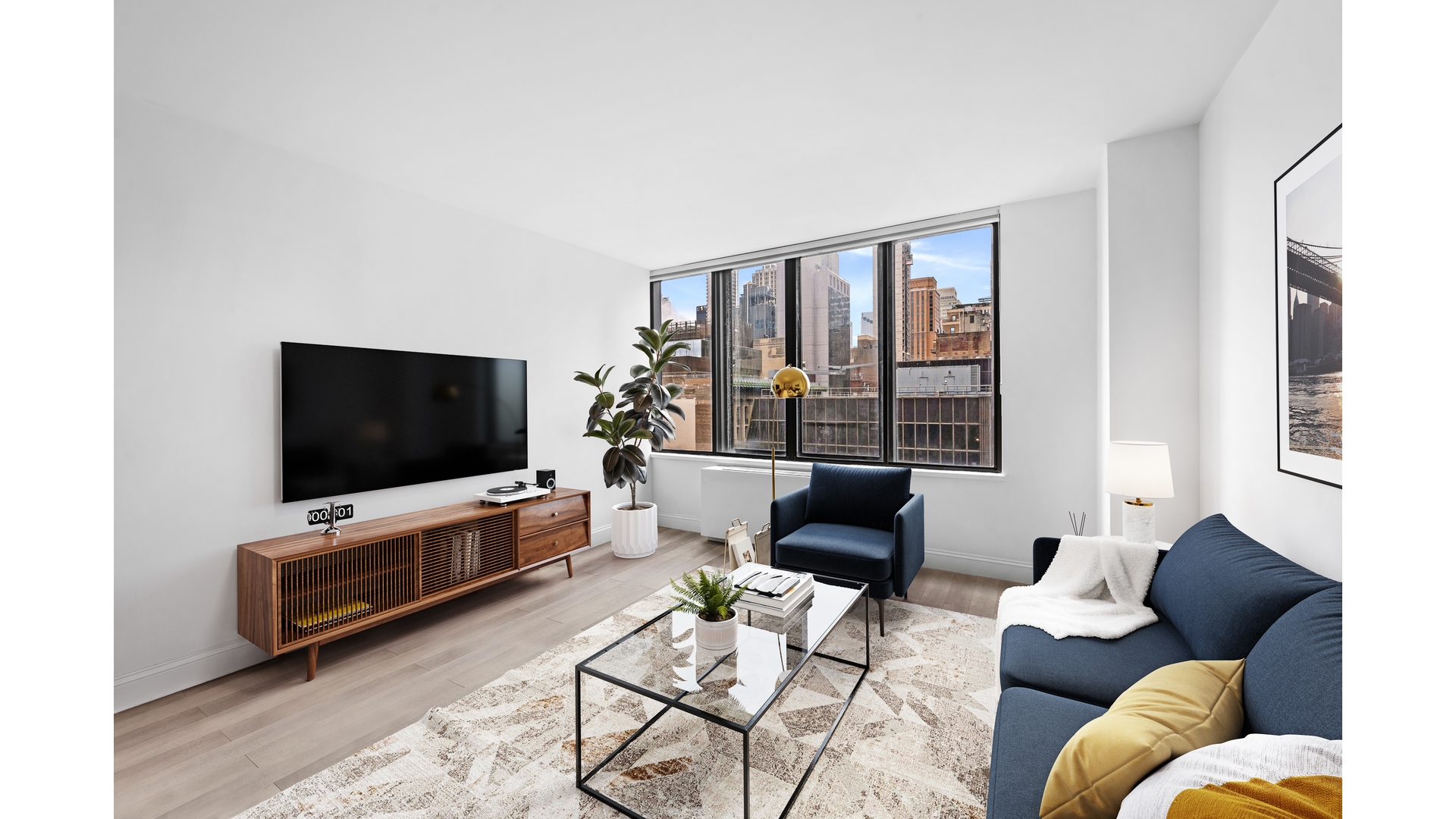
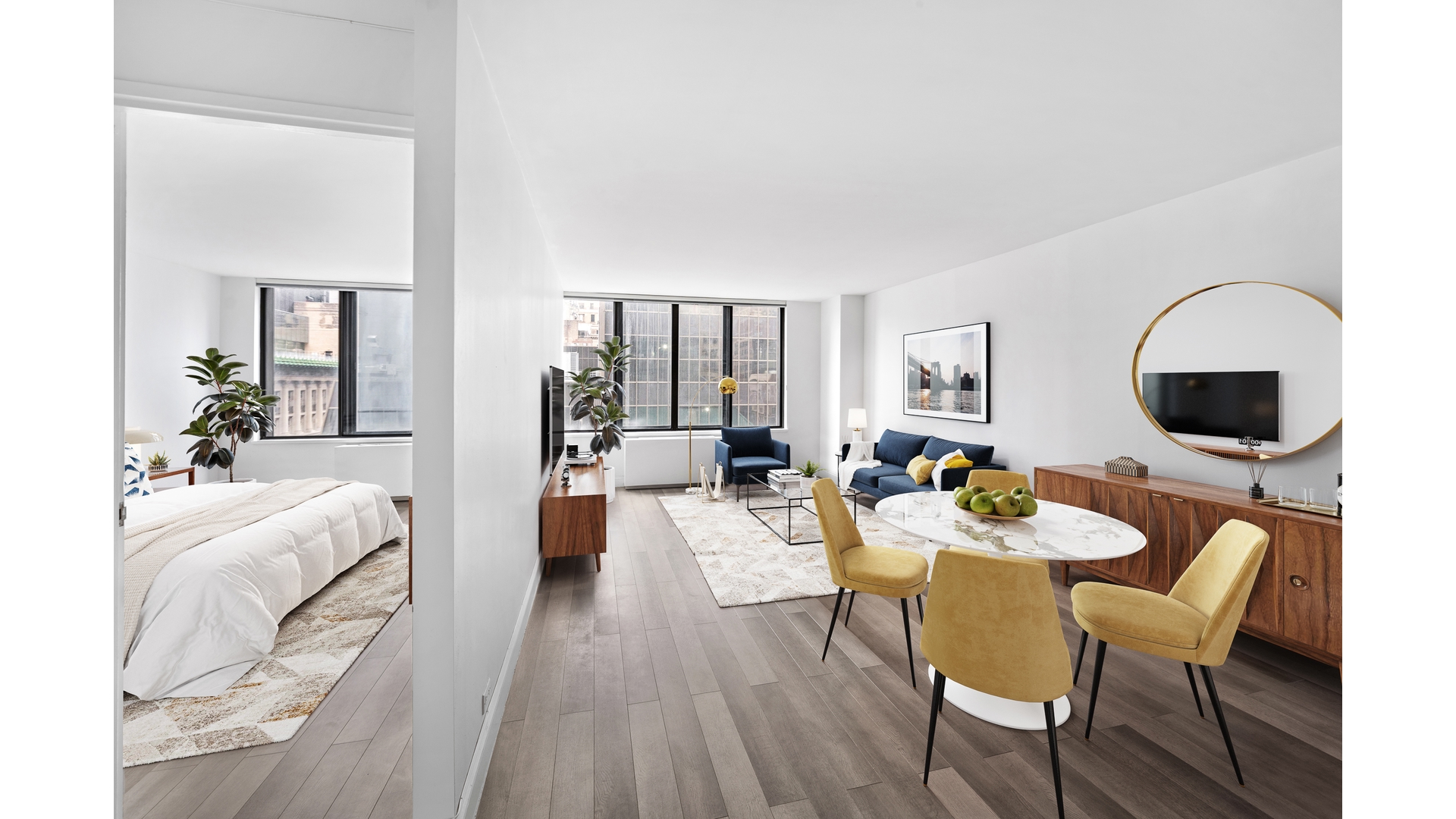
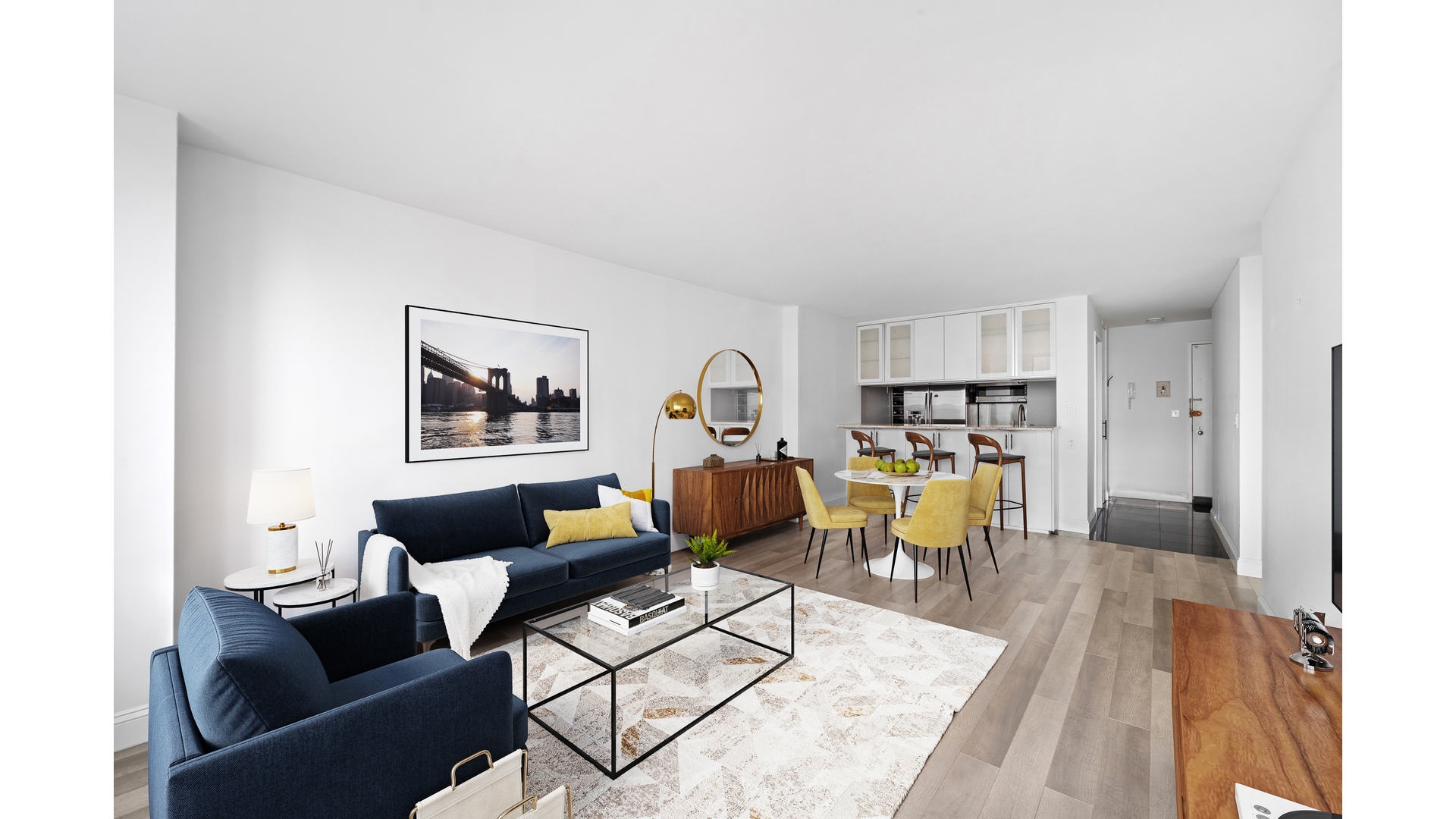
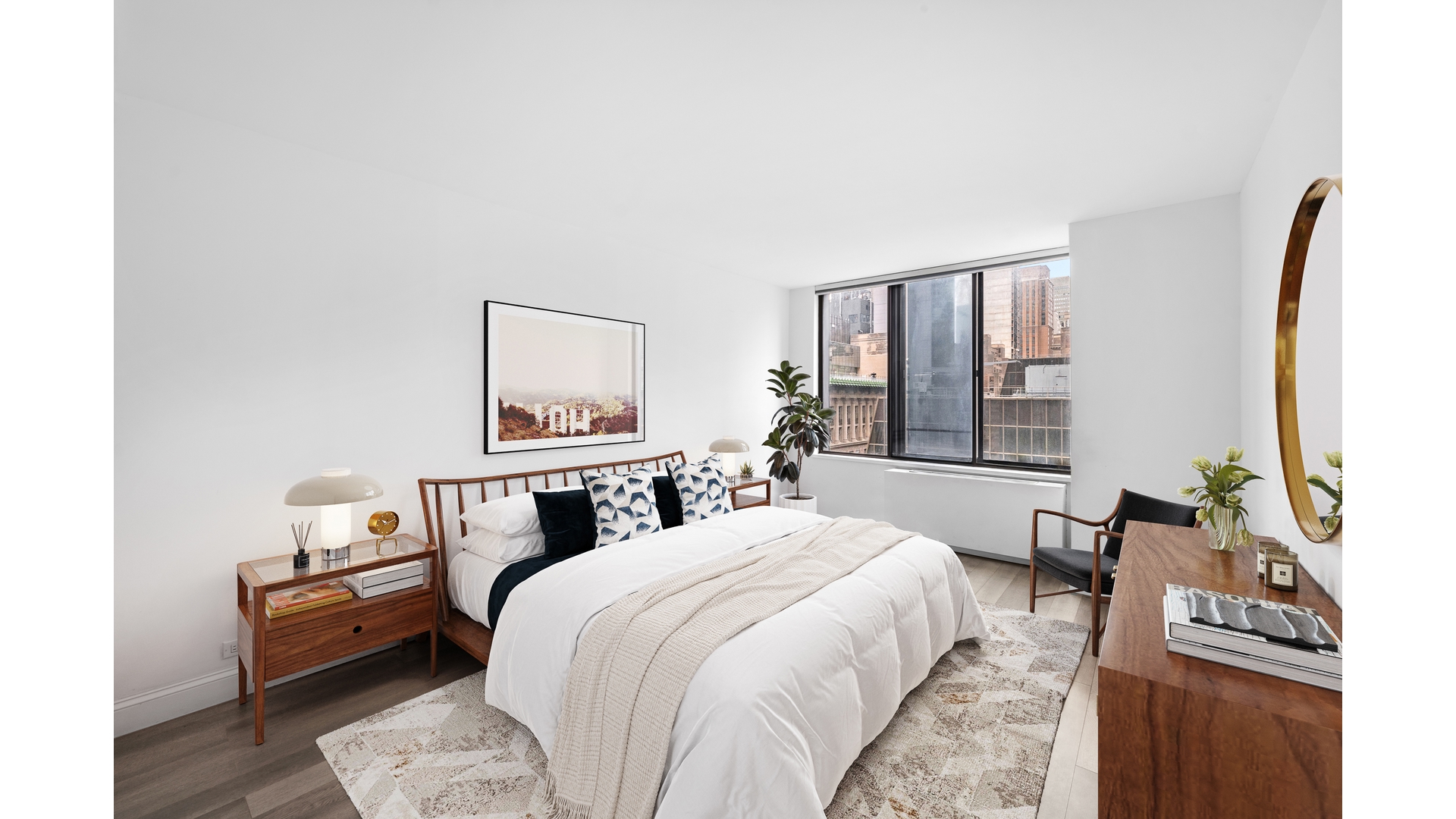
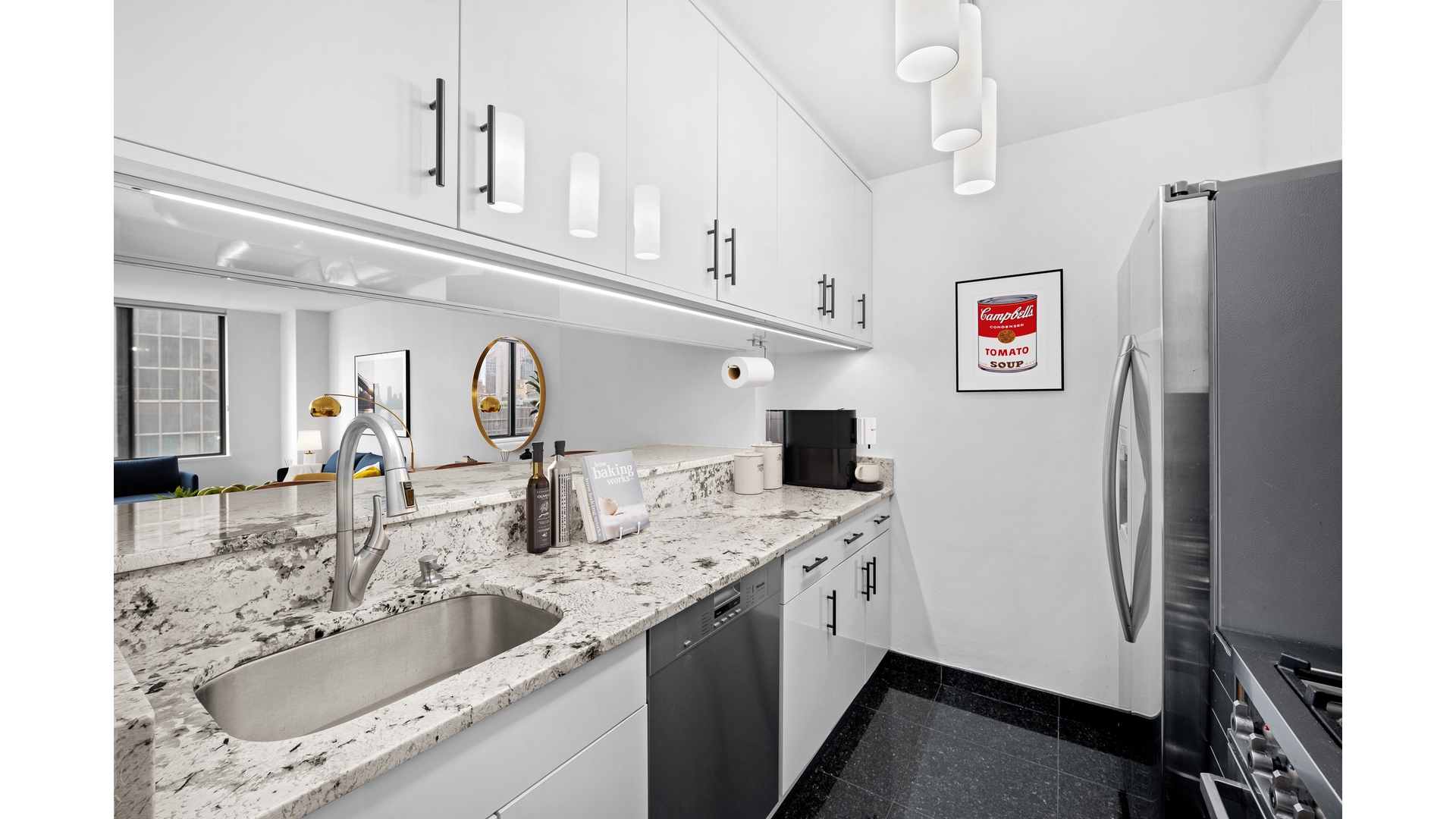
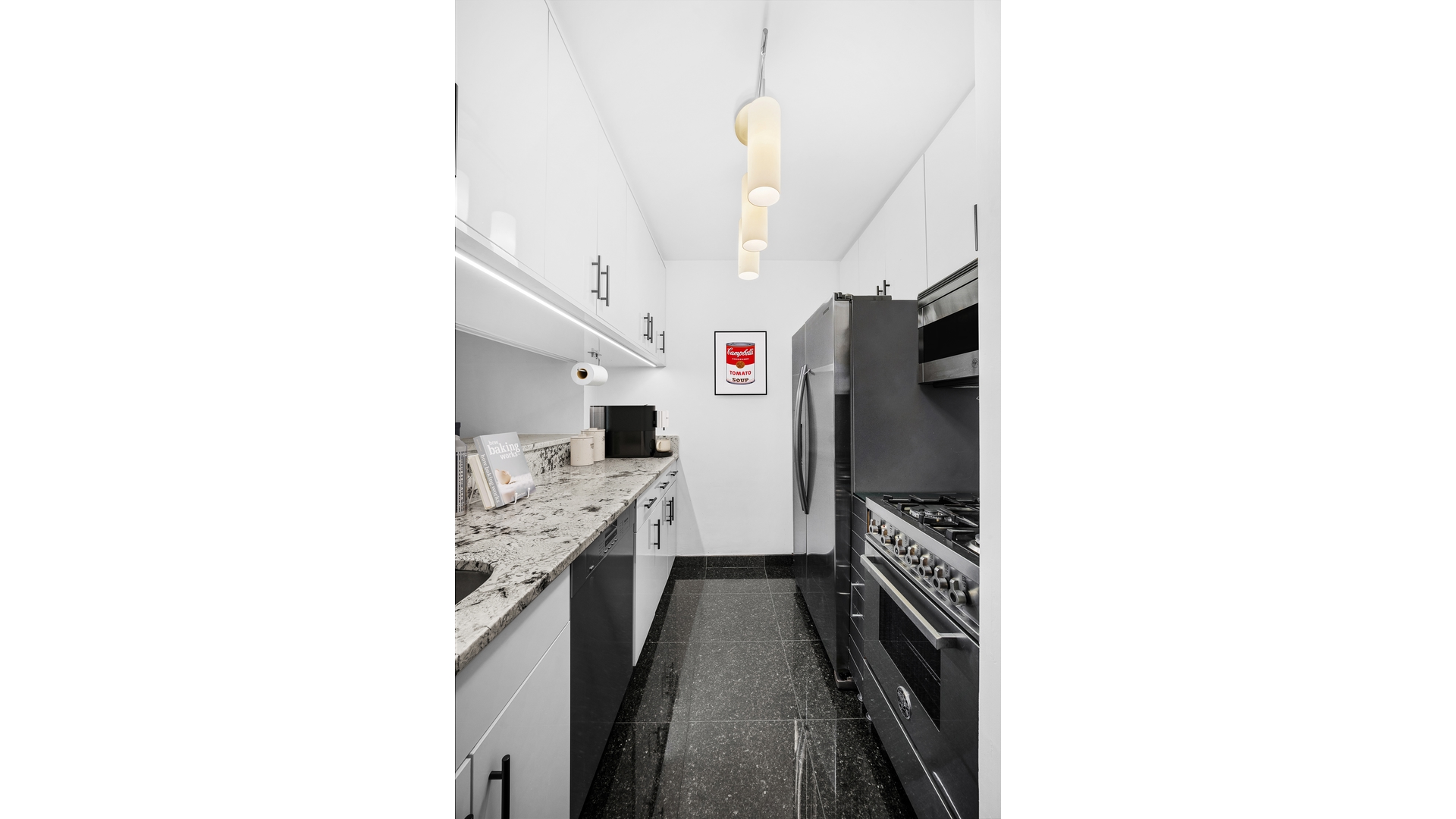
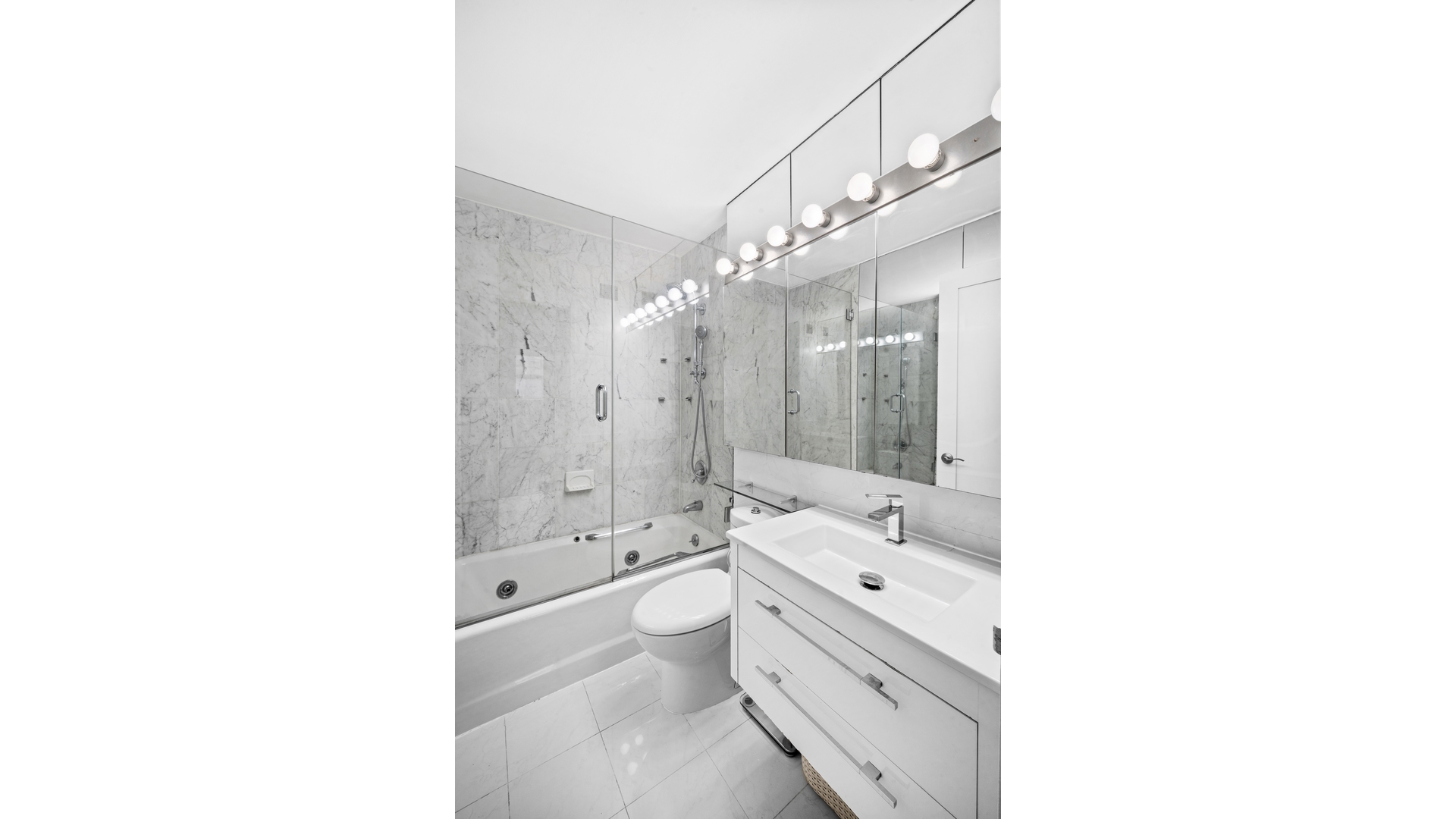
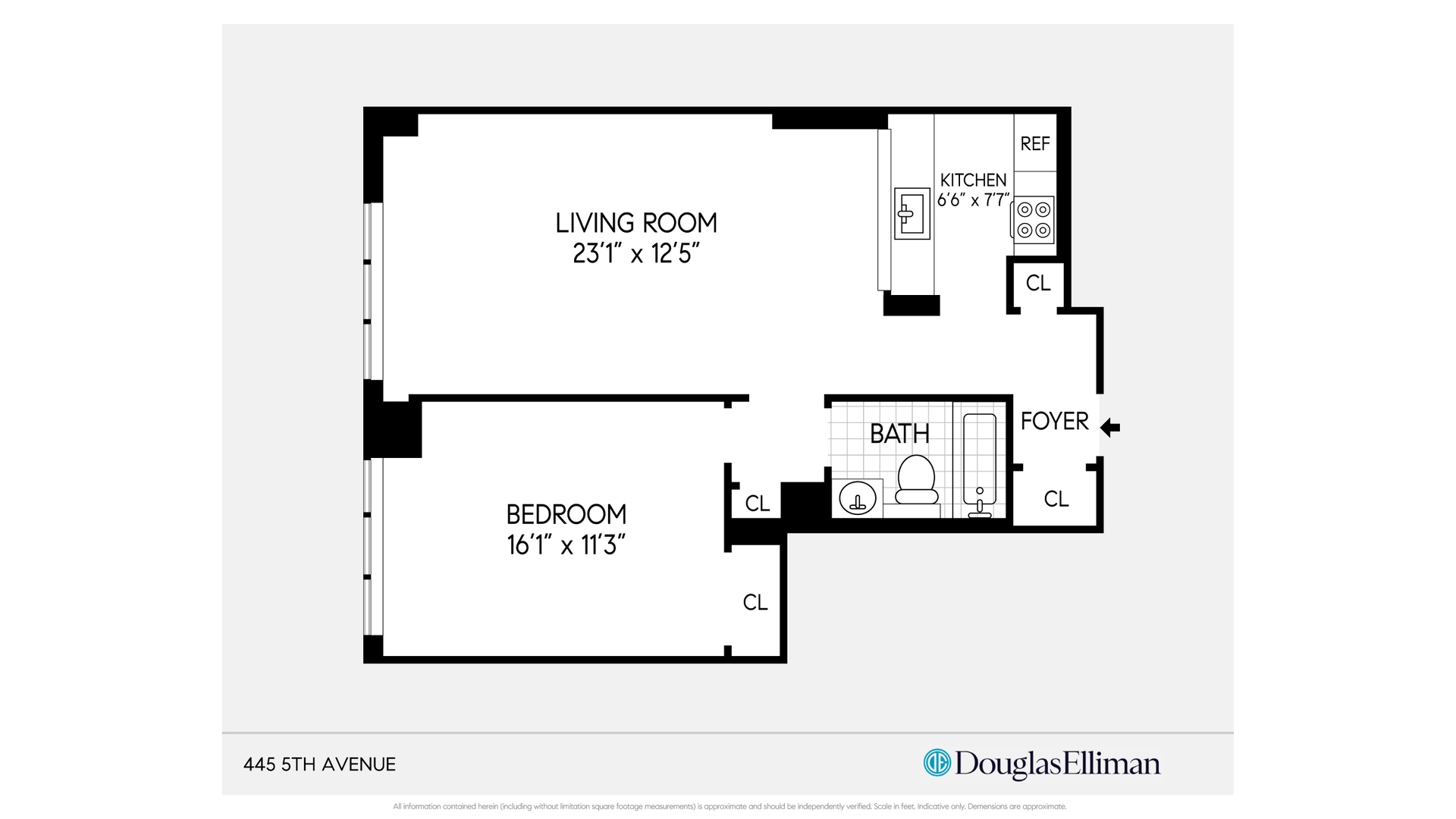
Request InfoWelcome home to sunny 15A at 445 Fifth Avenue - your very own 686-square-foot 15th floor one-bedroom on the coveted "A" line of Fifth Avenue Tower, one of Midtown's most recognized full-service condominiums. This apartment has been thoughtfully updated. New floors run throughout the living room and bedroom. The modern kitchen is anchored by a Bertazzoni gas range and expanded cabinetry. The living area is genuinely spacious with a bedroom that accommodates a king bed and full furniture arrangement comfortably.
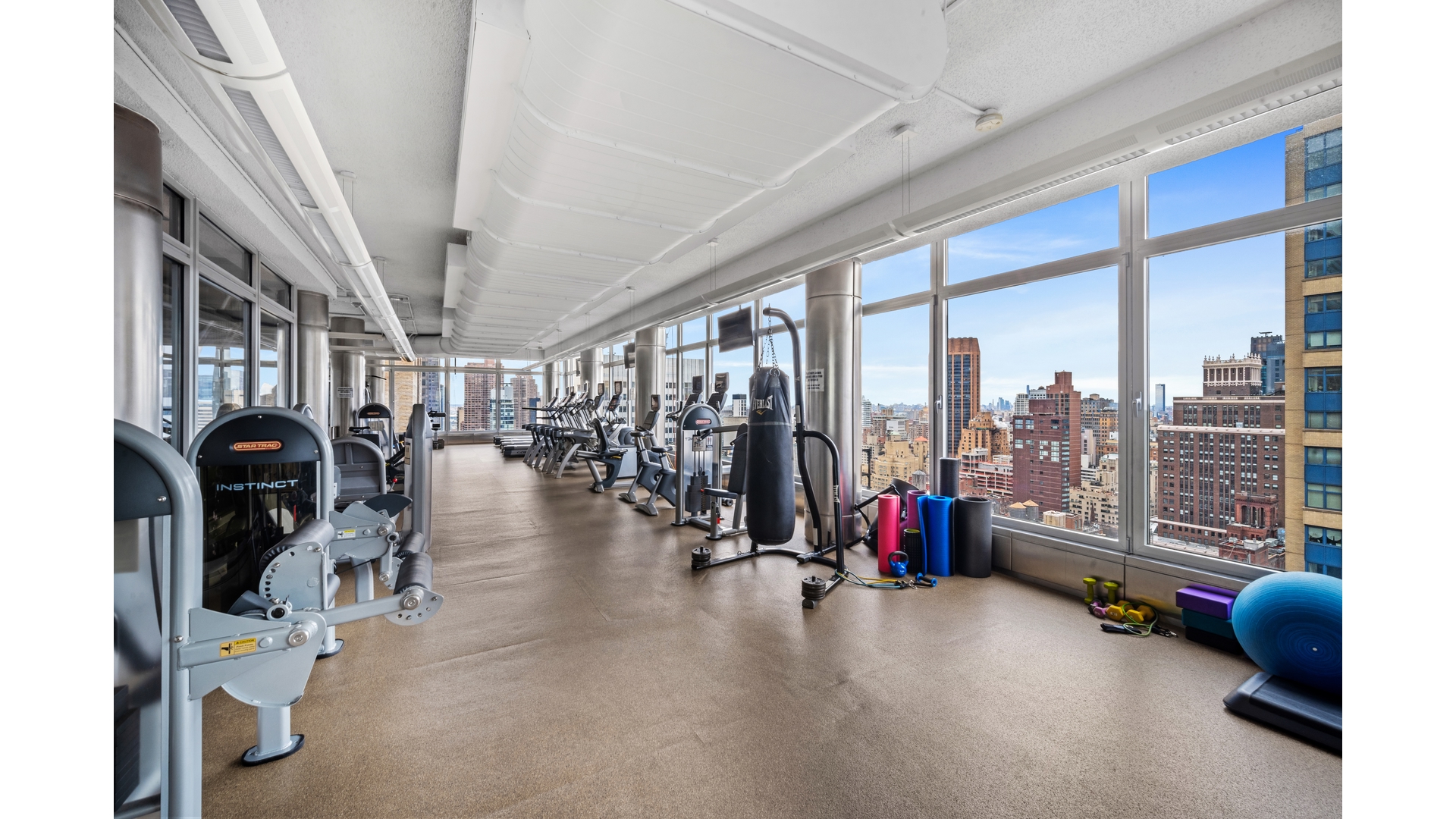
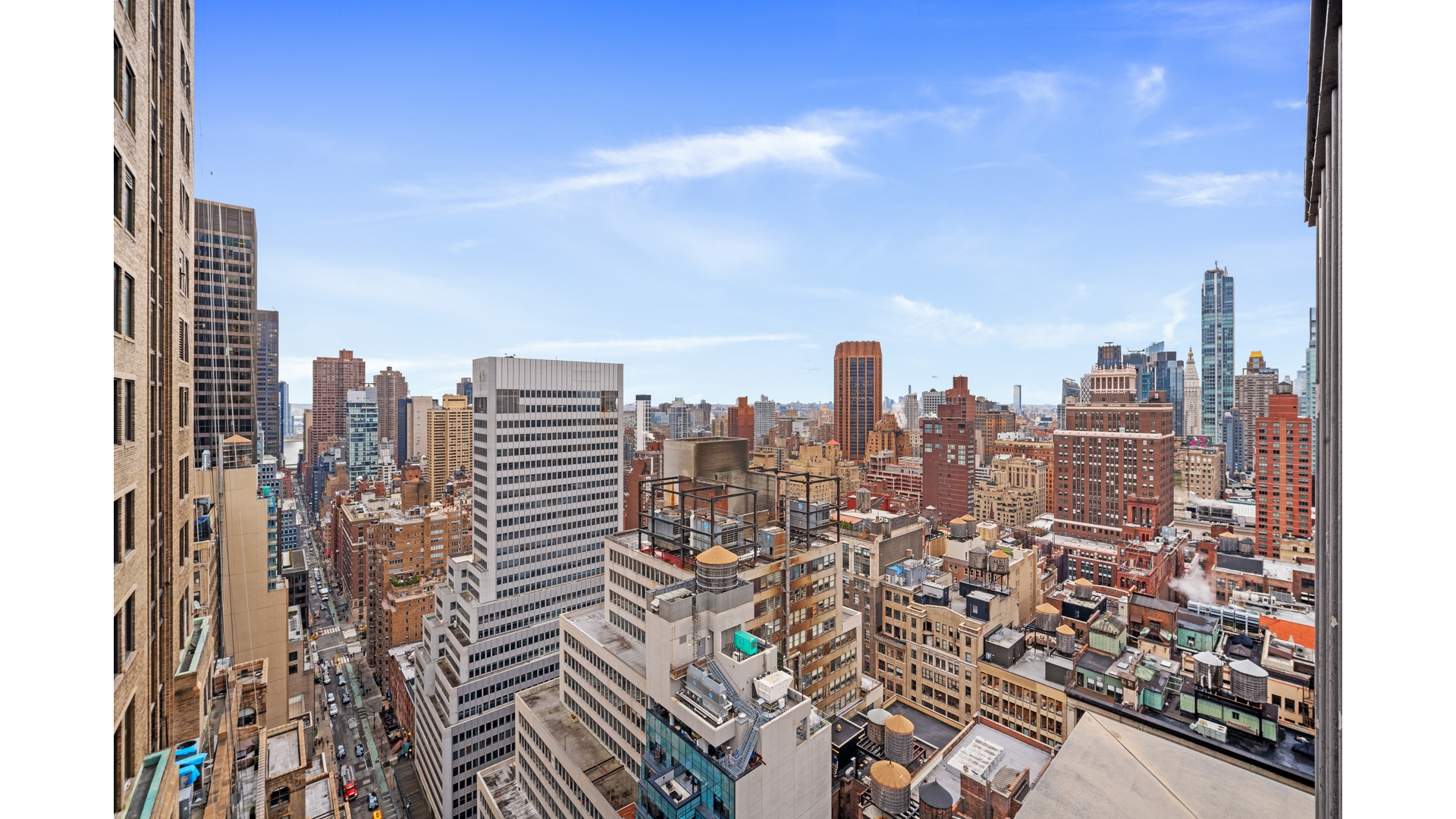
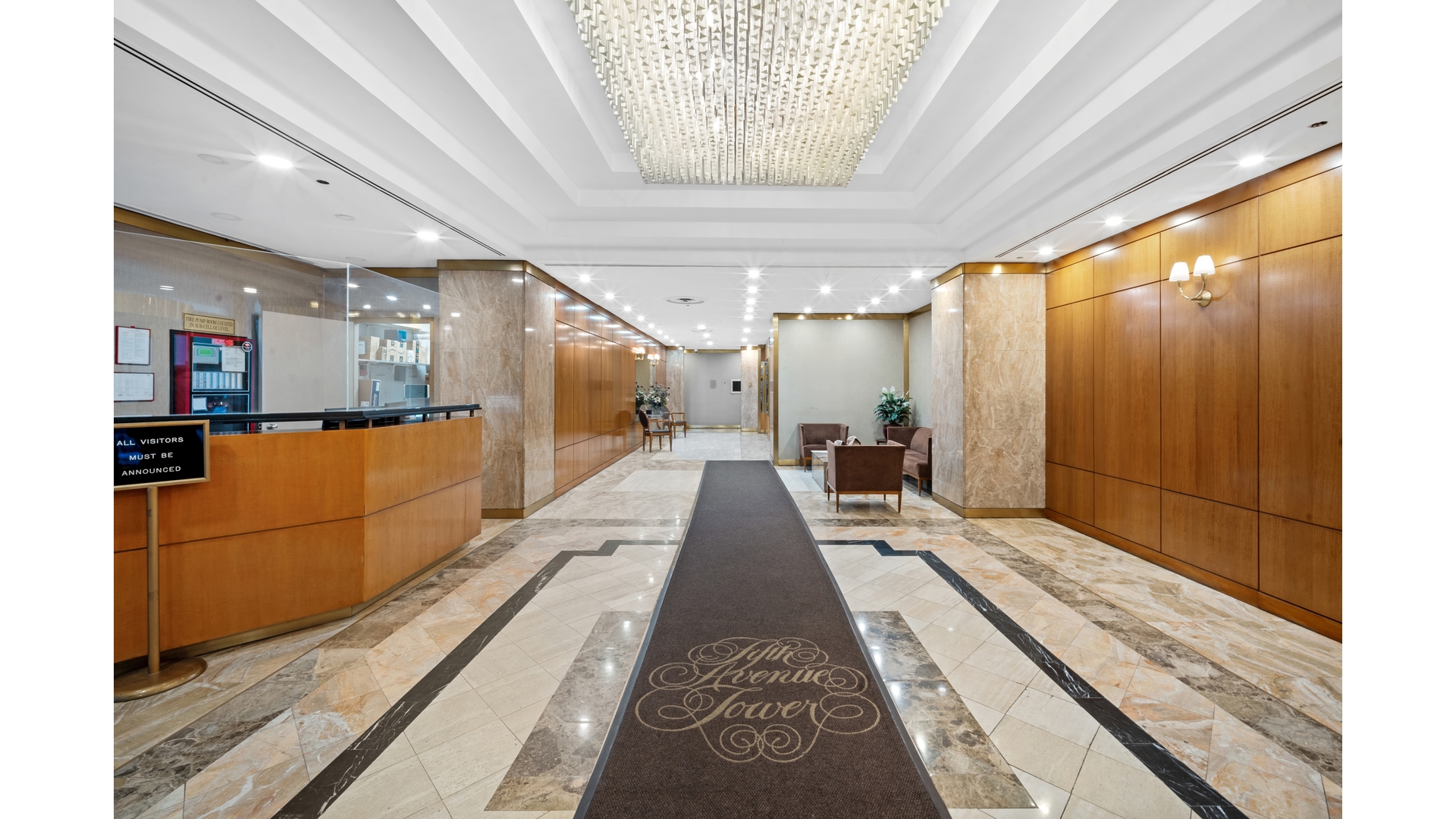
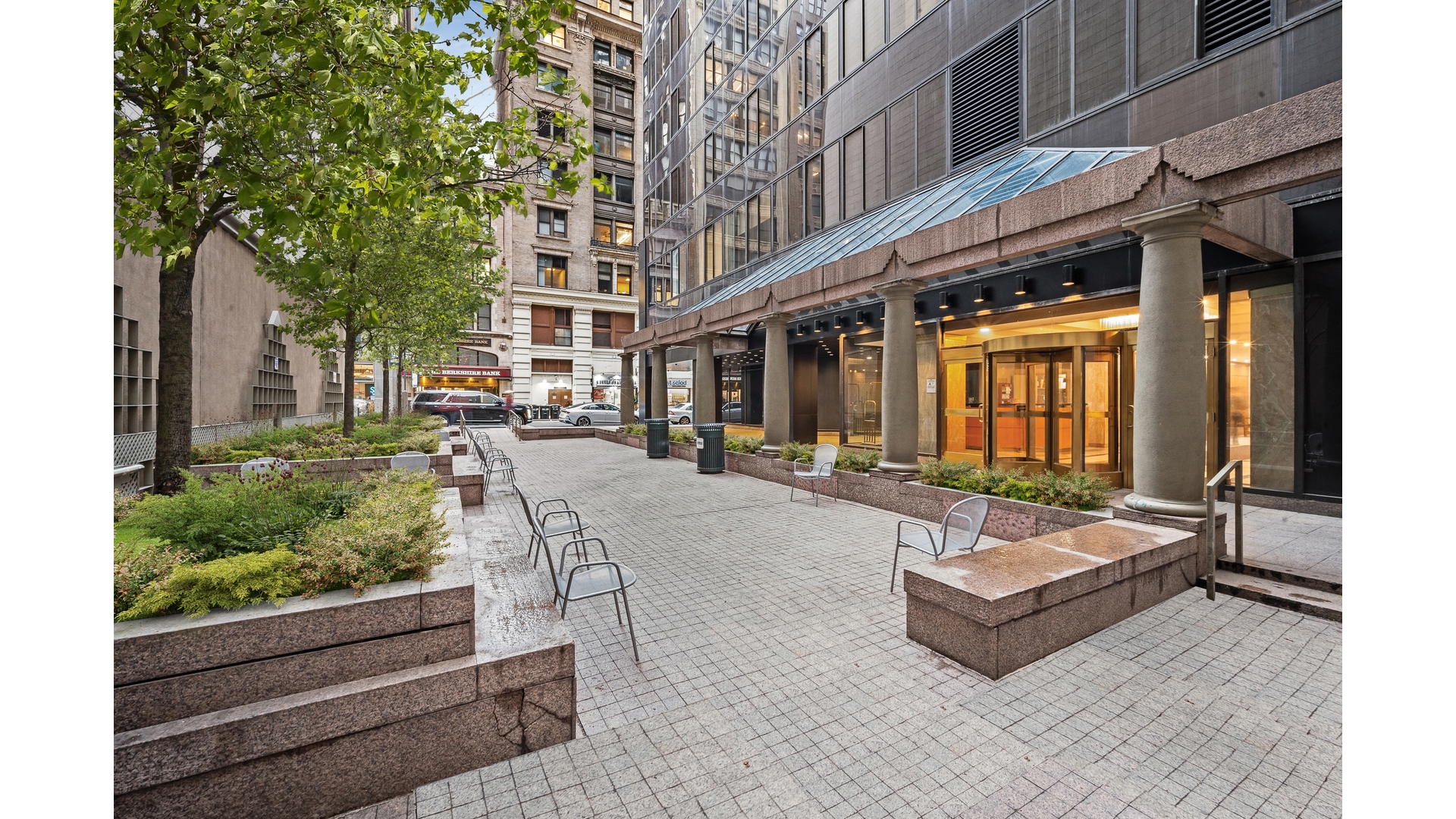
Fifth Avenue Tower is a 33-story, 184-unit condominium designed by Emery Roth & Sons and completed in 1986. The building is full-service: 24-hour doorman, concierge, a fitness center on the 33rd floor with panoramic city views, a landscaped rooftop terrace, central laundry, bike room. The building is pet-friendly and well-managed, with a live-in superintendent.
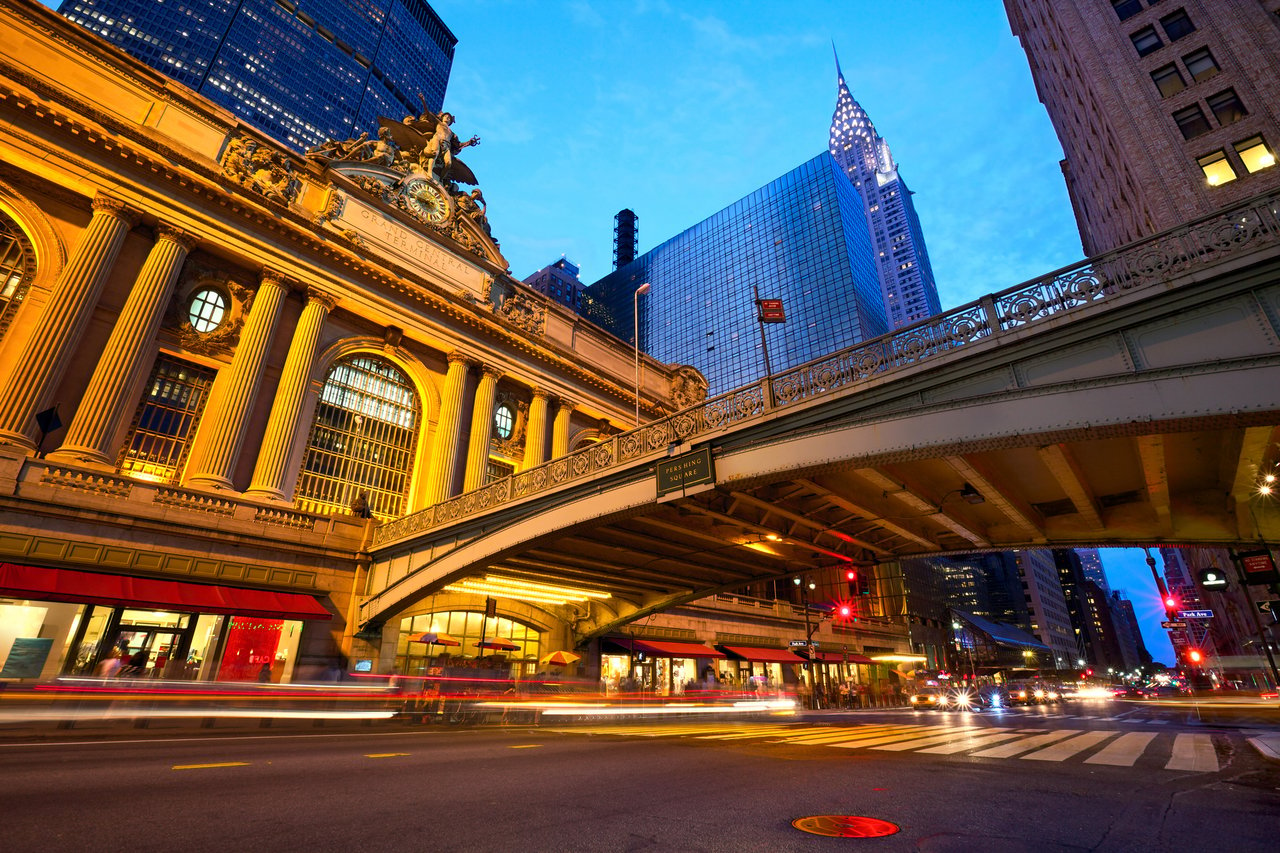
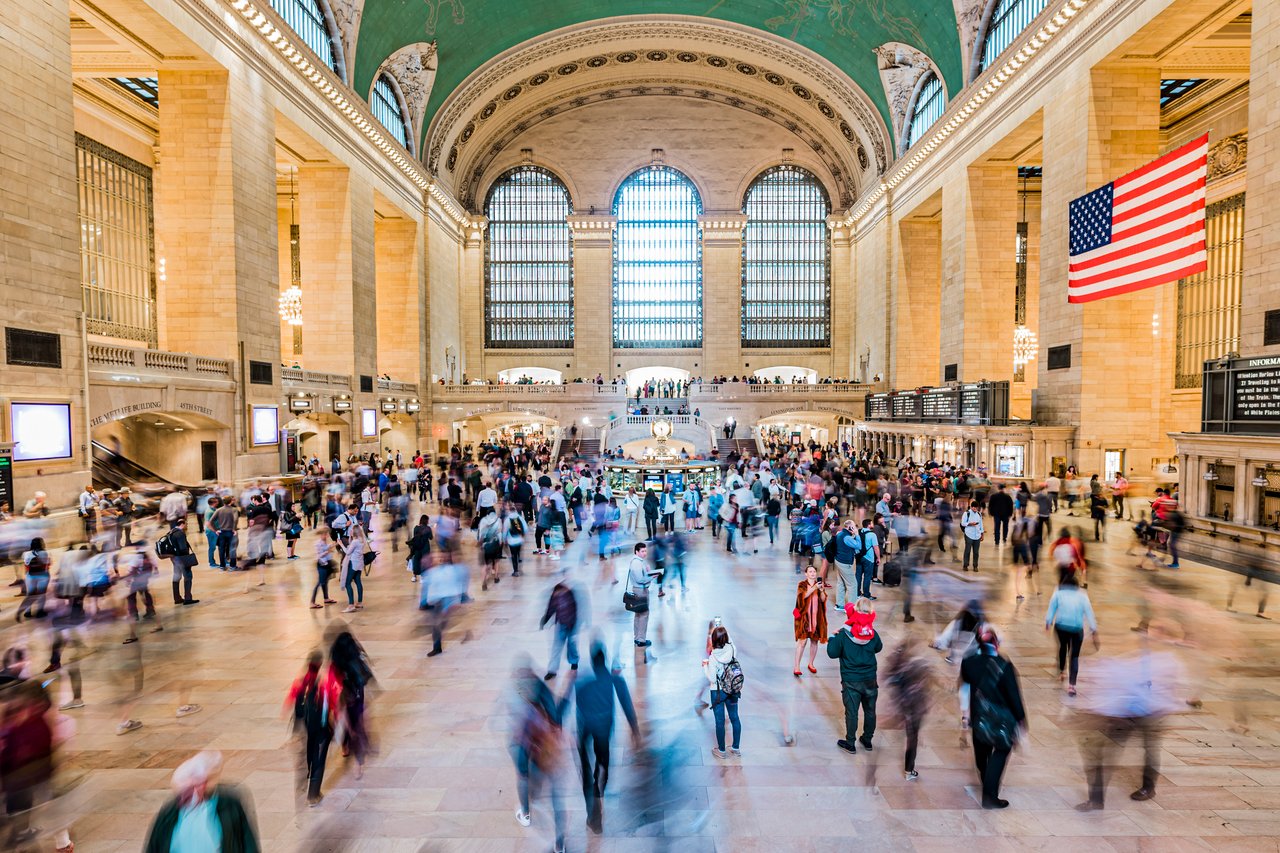
The location is amazing. Bryant Park is literally around the corner, one of the city's most active public spaces year-round: the winter village, summer film screenings, the Reading Room, and regular programming that draws people from across the city. The New York Public Library sits at the park's eastern edge. Grand Central Terminal is a five-minute walk, which means direct access to Metro-North as well as the 4, 5, 6, and 7 trains. The B, D, F, and M trains stop at 42nd Street-Bryant Park, one block away. The N, Q, R, W, and 1, 2, 3 lines are accessible at Times Square, a ten-minute walk west. Penn Station and the Long Island Rail Road are roughly fifteen minutes on foot. For dining and daily living: Urbanspace Vanderbilt, the food hall at Grand Central, Whole Foods on 57th, Eataly on Fifth Avenue at 23rd, and a concentration of Midtown lunch and dinner options within a few blocks in every direction. The Chrysler Building, Rockefeller Center, the Morgan Library, and the main branch of the public library are all walkable. This stretch of Fifth Avenue is as central as Manhattan gets.
| Total Bedrooms | 1 |
|---|---|
| Total Bathrooms | 1 |
| Full Bathrooms | 1 |
| Laundry Room | Building Other |
| Stories | 33 |
|---|---|
| POOL | Building None |
| Air Conditioning | Other |
| Other Exterior Features | None |
| Status | Pending |
|---|---|
| LIVING SPACE | 686 Sq.Ft. |
| MLS® ID | RLS20080020 |
| Type | Condo |
| Year Built | 1986 |
| Neighborhood | Midtown South |
| View Description | City Lights, City, Skyline |
| SALES PRICE | $1,000,000 |
|---|---|
| REAL ESTATE TAXES | $9,972/yr |
| HOA Fees | $988/mo |
315,772 people live in Midtown South, where the median age is 41 and the average individual income is $130,495. Data provided by the U.S. Census Bureau.
Total Population
Median Age
Population Density Population Density This is the number of people per square mile in a neighborhood.
Average individual Income
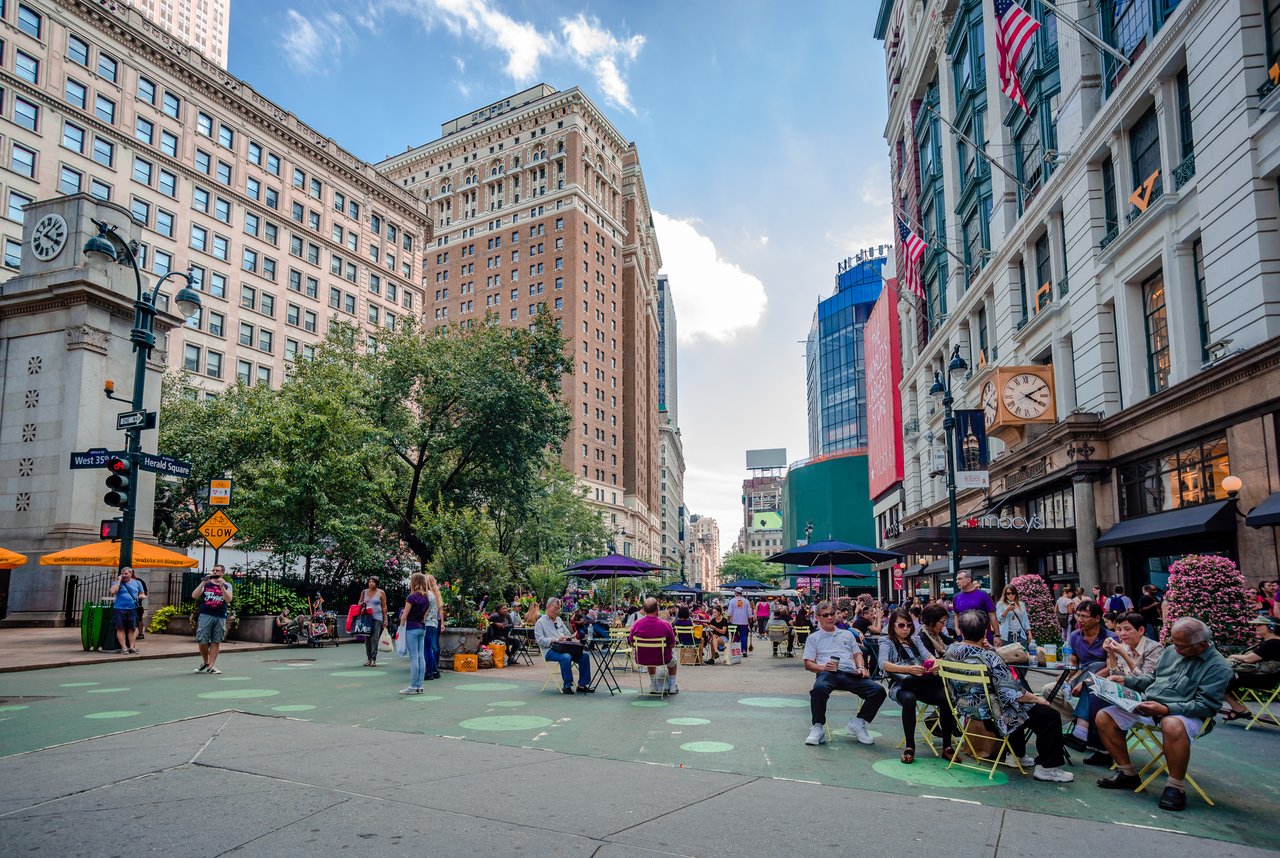
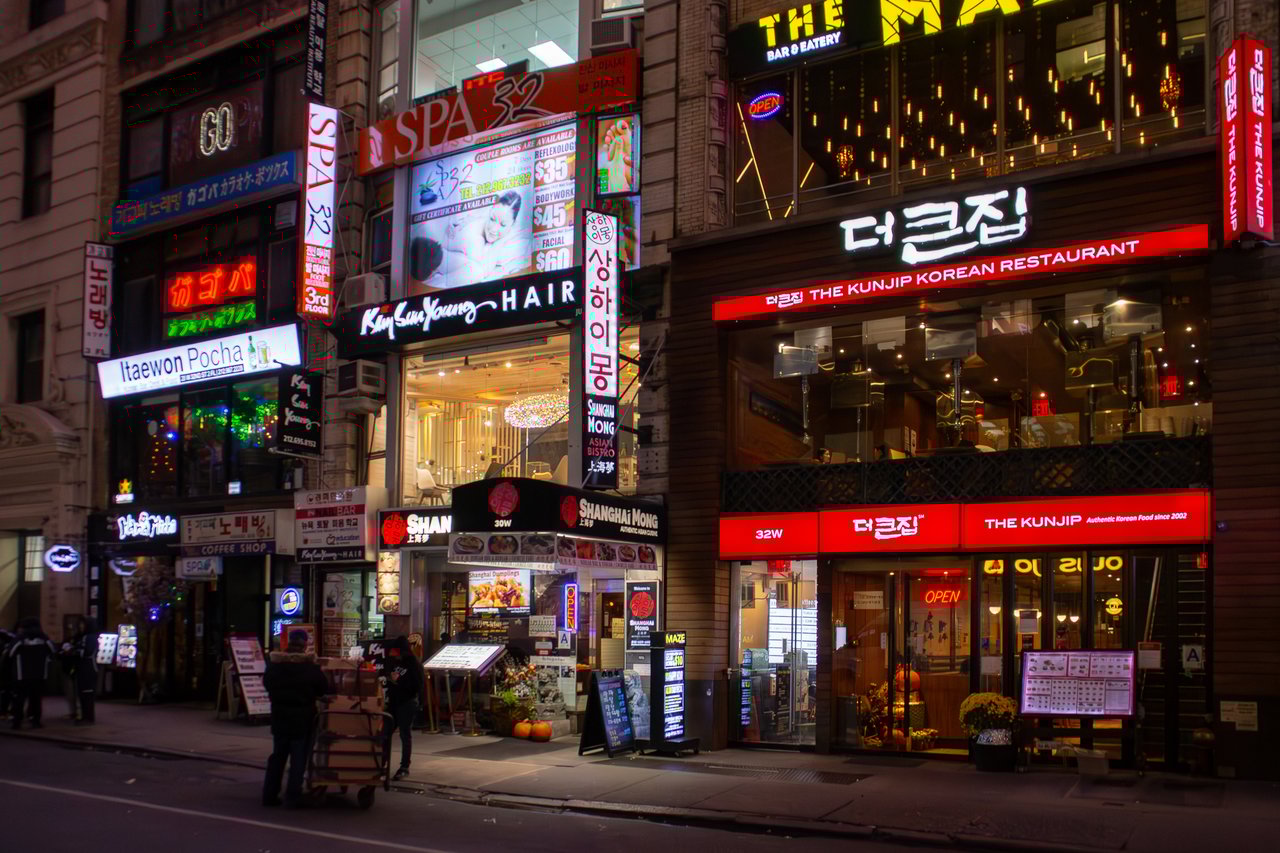
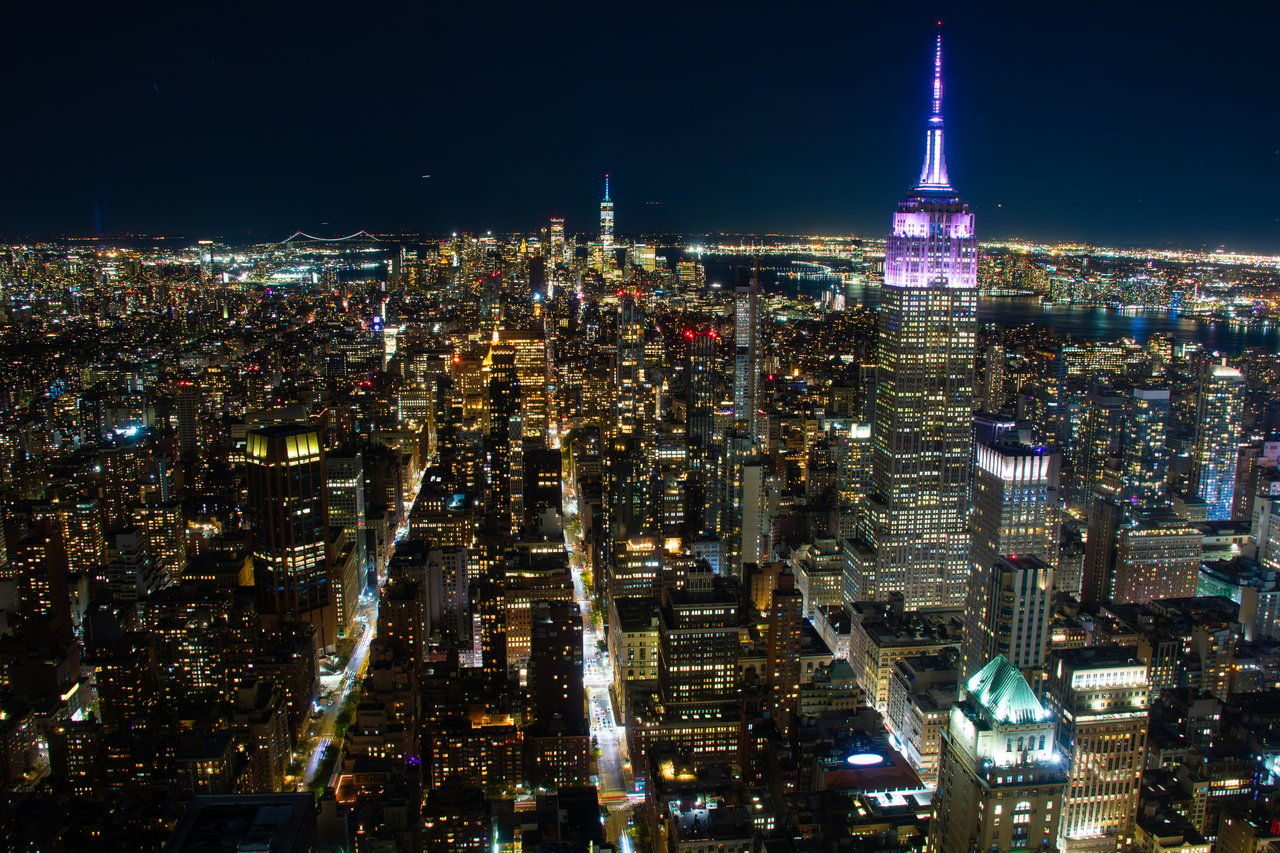
Midtown South is less a neighborhood in the traditional sense than a corridor — a stretch of mid-Manhattan from roughly 30th to 42nd Street, running east to west from Madison Avenue to Ninth Avenue, that functions as the city's infrastructure core. Penn Station, Madison Square Garden, the Empire State Building, the Garment District, Koreatown, Bryant Park, Herald Square: all of these sit within a twenty-minute walk of each other, which means that more people pass through this territory every day than live in many American cities. For a long time that density of transit and commerce made it an unlikely place to actually live. That calculus has been shifting.
Once called The Tenderloin, Midtown South spans from 9th Avenue to Madison Avenue between 30th and 34th Streets. This was once a wild, red light district that matured into a jewel of Manhattan with the old Penn Station, before embodying the inner-city turmoil of the mid-20th century with the advent of Madison Square Garden. The original Pennsylvania Station, completed in 1910 and modeled on the Roman baths of Caracalla, was one of the great public spaces in American history — a vaulted Beaux-Arts building that processed hundreds of thousands of passengers daily and announced arrival in New York with appropriate grandeur. Its demolition in 1963 to make way for the current Madison Square Garden remains one of the most consequential acts of architectural destruction in the city's history. The public outcry it produced directly led to the creation of New York City's Landmarks Preservation Commission.
The surrounding blocks suffered neglect as the garment industry declined and suburbanization siphoned commerce outward. By the 1970s, Midtown South had become a shadow of its former self. The 1980s and 1990s brought gradual reinvestment, as the city's real estate cycle rediscovered the potential of Midtown South's solid industrial architecture and unmatched transit access.
The most significant physical improvement to this part of the city in decades opened on January 1, 2021. Moynihan Train Hall occupies the James A. Farley Building, a Beaux-Arts structure designed by McKim, Mead & White alongside the original Penn Station and opened in 1914 as New York City's main post office. The 486,000-square-foot complex, designed by SOM, occupies the post office's mail-sorting hall under a 92-foot-tall glass skylight. The hall serves 17 of Penn Station's 21 tracks and has fundamentally changed the experience of arriving at and departing from the station for Amtrak and Long Island Rail Road passengers. The skylight — the thing the architects got exactly right — floods the concourse with natural light in a way that the original underground Penn Station never could, and that makes the arrival experience feel, for the first time in sixty years, like something worth engineering.
The hall contains three permanent artworks: Kehinde Wiley's stained-glass triptych Go on the ceiling; Stan Douglas's photographic panels Penn Station's Half Century along an 80-foot wall; and Elmgreen & Dragset's sculptural group The Hive at the 31st Street entrance. It is, despite the decades of dysfunction that surrounded its creation, a genuinely beautiful public space.
The underlying station remains deeply inadequate, and its relationship to Madison Square Garden sitting atop it is the central unresolved tension in Midtown South's future. In April 2025, the U.S. Department of Transportation took over the reconstruction effort from the MTA, with work planned to begin in 2027 at a cost of $7 billion. Multiple competing proposals are on the table, including one from the Grand Penn Community Alliance that would relocate Madison Square Garden and build a new classical train hall with a public park the size of Bryant Park on the cleared site. Three finalist designs had been identified by January 2026. Whatever gets built, the western blocks of Midtown South are in active transformation and will look materially different within a decade.
Located atop Pennsylvania Station, Madison Square Garden has been named the coolest arena in the United States by Rolling Stone. It opened in 1968, making it the oldest sports facility in the New York metro area. Through the years, some of the biggest events in history have been held here, including three Democratic National Conventions and "The Fight of the Century" between Muhammad Ali and Joe Frazier in 1971. Today it's the home of the Knicks and the Rangers, and a major concert venue that books global headliners year-round. For residents in the immediate area, game and concert nights mean street closures, subway congestion, and crowds that transform the neighborhood's character entirely — a reality worth factoring into any decision to live nearby.
The Art Deco landmark at 34th Street and Fifth Avenue has been operating as an office building since 1931, and it remains one. The Empire State Building was constructed during a race to create the world's tallest structure. Its Art Deco design with a massive pinnacle was revolutionary for its time. The observation decks on the 86th and 102nd floors offer unobstructed 360-degree views that remain among the best in the city — cleaner sightlines in many directions than from One World Trade or Hudson Yards' Edge, simply because the building sits near the geographic center of Manhattan. For residents, it functions as an orientation landmark: visible from most of the surrounding blocks and useful as a navigational anchor when the grid gets disorienting.
Koreatown is centered on 32nd Street between Madison Avenue and Sixth Avenue, featuring over 150 businesses ranging from small restaurants and beauty salons to large branches of Korean banking conglomerates. It has become described as the "Korean Times Square" and has emerged as the international economic outpost for the Korean chaebol.
The two-block strip is one of the densest concentrations of a single culinary and retail culture anywhere in Manhattan. Korean BBQ restaurants — many operating 24 hours — dominate the block, with karaoke bars (noraebang), Korean bakeries, beauty supply stores, and specialty grocery shops filling in around them. The food ranges from high-end tabletop BBQ with premium wagyu to cheap late-night bowls of army stew and bibimbap at counters that look like they've been there forever. Many restaurants stay open until 4 AM, making Koreatown one of the few parts of Manhattan where the food options improve after midnight. The karaoke infrastructure — private rooms by the hour, full bars, song catalogs spanning Korean pop and American standards — is genuine and comprehensive, not a tourist approximation of the real thing.
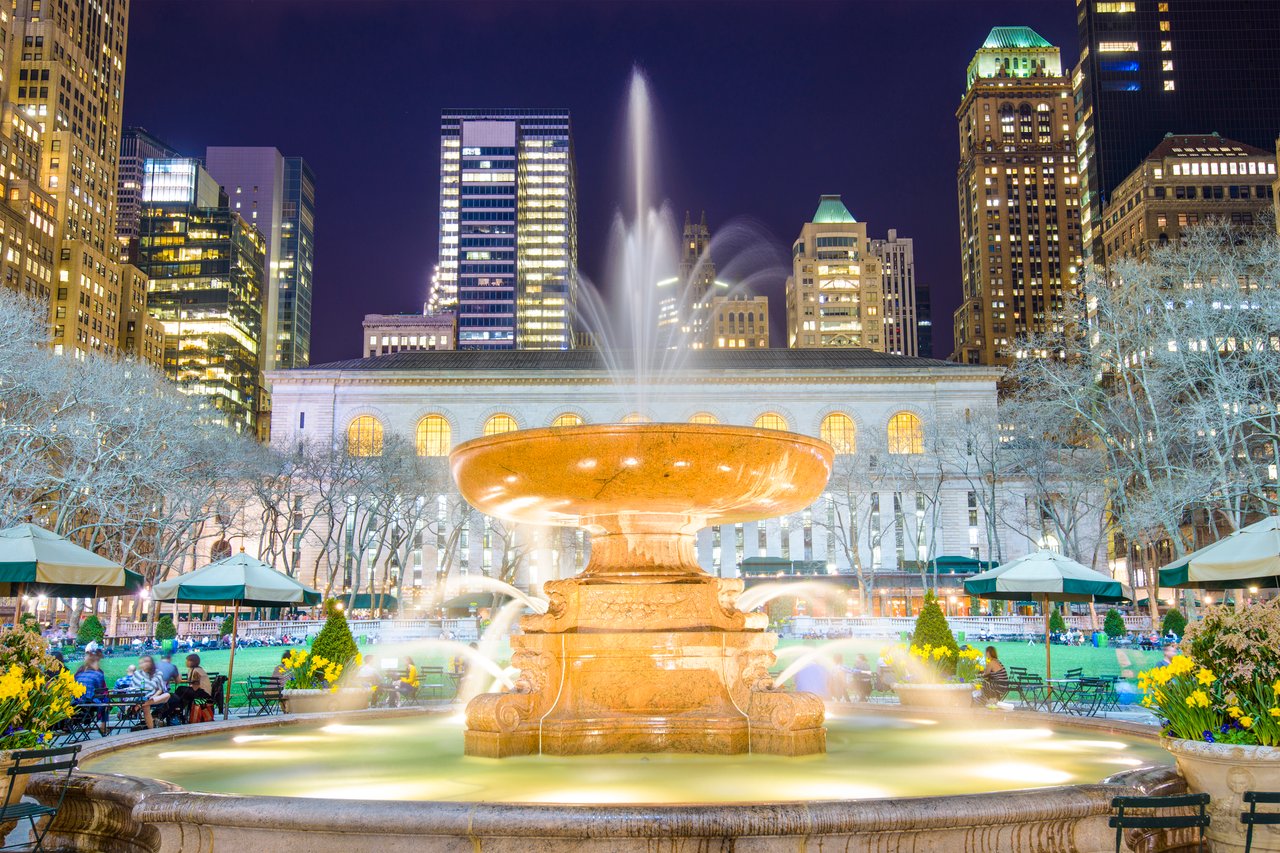
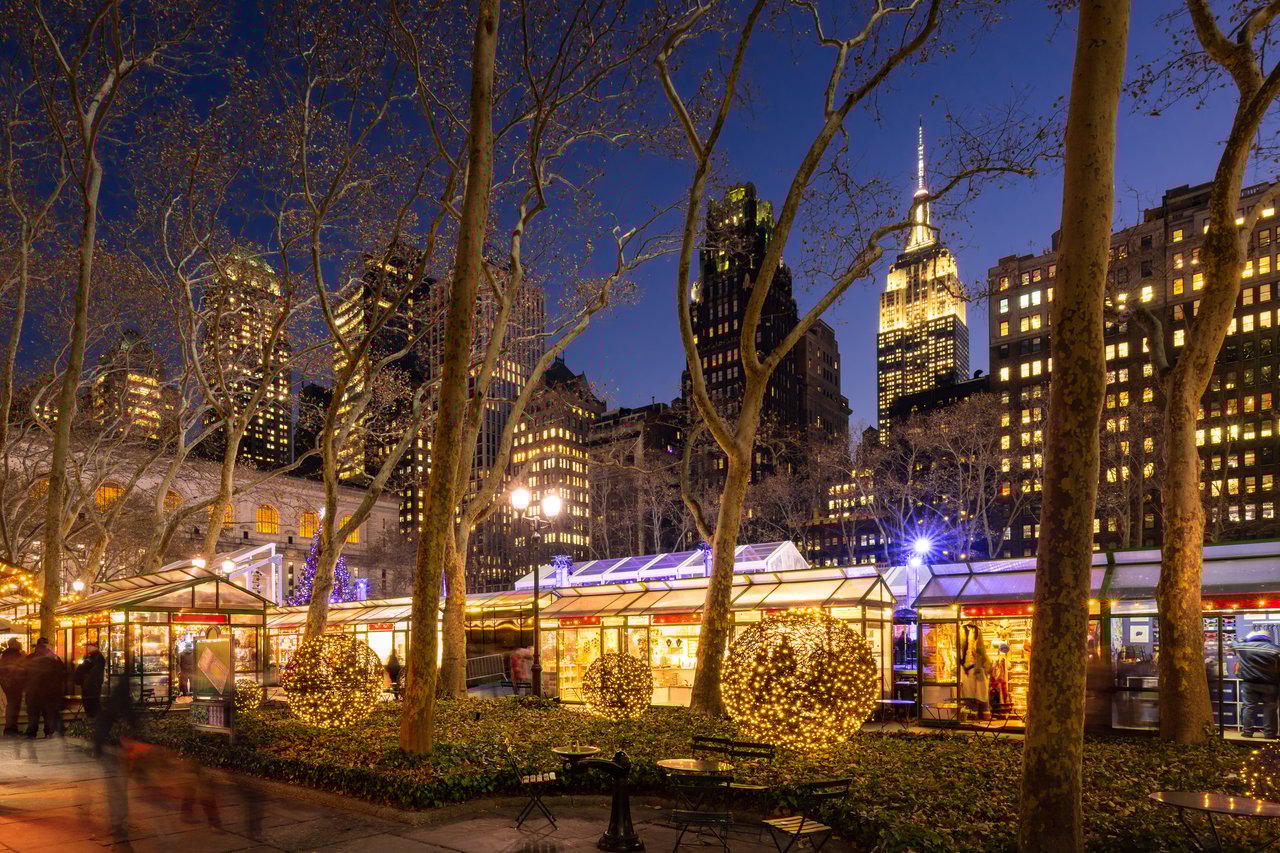
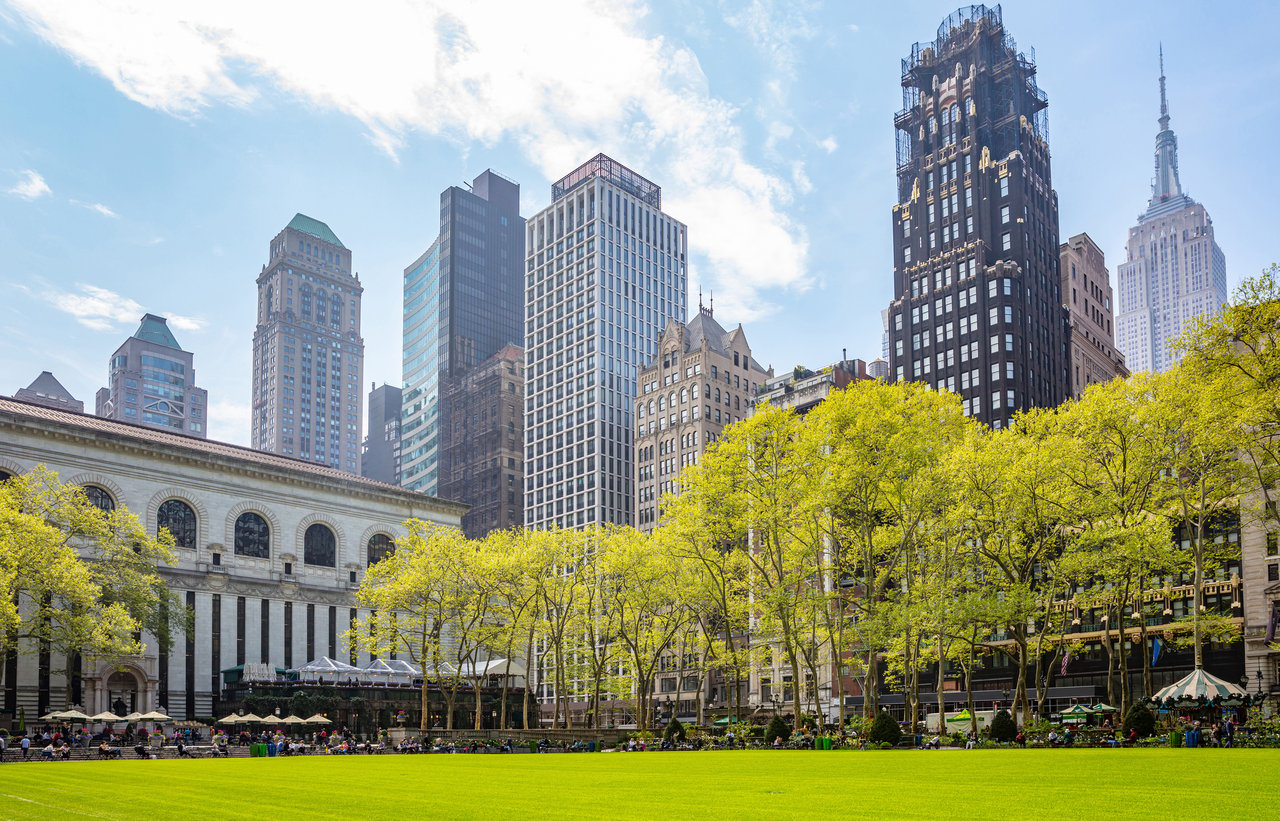
Bryant Park is Midtown Manhattan's town square, with seasonal gardens, eateries, bars, and a multitude of year-round free activities. The park sits directly behind the New York Public Library's main branch at 42nd Street and Fifth Avenue, a position that makes it Midtown's primary green respite and one of the most programmed public spaces in the city. In summer, free outdoor films screen on Monday evenings on the lawn — a tradition that draws thousands and sells out early. In winter, the Winter Village installs an ice skating rink (free admission, skate rentals available), a holiday market with over 100 vendors, and heated kiosks selling food and drink. The lawn between these seasonal poles is occupied by café tables, outdoor bars, and an ever-rotating schedule of fitness classes, concerts, and cultural events. The Bryant Park Corporation has run the park's programming and maintenance since the early 1990s, and the consistency of investment shows.
The Garment District — roughly 34th to 42nd Streets between Fifth and Ninth Avenues — no longer manufactures much clothing. The factories moved decades ago, first to other boroughs and states, then overseas. What remains is the industry's commercial infrastructure: fabric stores, trimming suppliers, button merchants, fashion showrooms, and the offices of designers and fashion houses that maintain a presence here for access to the supply chain. M&J Trimming at 1008 Avenue of the Americas, run by a family whose grandfather opened the shop in the 1930s, carries one of the largest selections of trims, ribbons, and decorative elements in the country. B&H Photo, the legendary photography and electronics retailer on Ninth Avenue, is technically adjacent. For anyone who works in fashion, film, or visual arts, the concentration of specialty suppliers in this corridor remains genuinely useful.
The Flower District occupies a stretch of West 28th Street near Sixth Avenue — a block of wholesale and retail florists that has sold cut flowers, plants, and floral supplies since the 1870s. It's one of the last remnants of a city that once organized entire neighborhoods around single industries, and it still functions at dawn when most of the city is asleep, with buyers from restaurants, event companies, and individuals arriving early for the best selection.
Keens Steakhouse at 72 West 36th Street was founded in 1885 by Albert Keen in what was then the Herald Square Theater District. The restaurant houses more than 50,000 clay smoking pipes, making it one of the largest collections in the world, and it's the only surviving establishment from that original entertainment district. The room is a Victorian time capsule — low ceilings, dark wood, pipe racks, framed theater programs and photographs — and the food is a straightforward argument for the mutton chop, the prime rib, and a serious selection of single malt Scotch. It's one of those restaurants that feels transplanted from another century because it literally was.
Beyond Keens, the eating landscape of Midtown South is defined by its contradictions: Michelin-starred restaurants in the NoMad corridor just south of 30th Street (Eleven Madison Park, Cote), office-lunch staples along the avenues, and the entire culinary universe of Koreatown operating around the clock at the neighborhood's center. Cafe China, near Bryant Park, serves a lengthy menu of Sichuan hits including spicy soft shell crab and cumin lamb in a room that's earned consistent critical attention. The food hall in Grand Central Terminal, fifteen minutes east on foot, extends the options considerably.
There's plenty to do around Midtown South, including shopping, dining, nightlife, parks, and more. Data provided by Walk Score and Yelp.
Explore popular things to do in the area, including Witchcraft, Portada Collection, and Meridian.
| Name | Category | Distance | Reviews |
Ratings by
Yelp
|
|---|---|---|---|---|
| Dining | 0.26 miles | 1 review | 5/5 stars | |
| Shopping | 0.04 miles | 0 reviews | 0/5 stars | |
| Shopping | 0.04 miles | 1 review | 3/5 stars | |
| Shopping | 0.07 miles | 0 reviews | 0/5 stars | |
| Shopping | 0.08 miles | 0 reviews | 0/5 stars | |
| Shopping | 0.09 miles | 0 reviews | 0/5 stars | |
| Shopping | 0.1 miles | 0 reviews | 0/5 stars | |
| Shopping | 0.1 miles | 0 reviews | 0/5 stars | |
| Shopping | 0.12 miles | 0 reviews | 0/5 stars | |
| Shopping | 0.12 miles | 0 reviews | 0/5 stars | |
| Shopping | 0.12 miles | 1 review | 1/5 stars | |
| Shopping | 0.12 miles | 0 reviews | 0/5 stars | |
| Shopping | 0.13 miles | 0 reviews | 0/5 stars | |
| Shopping | 0.14 miles | 0 reviews | 0/5 stars | |
| Shopping | 0.15 miles | 0 reviews | 0/5 stars | |
| Shopping | 0.16 miles | 0 reviews | 0/5 stars | |
| Shopping | 0.16 miles | 0 reviews | 0/5 stars | |
| Shopping | 0.2 miles | 0 reviews | 0/5 stars | |
| Shopping | 0.21 miles | 1 review | 3/5 stars | |
| Active | 0.11 miles | 0 reviews | 0/5 stars | |
| Beauty | 0.07 miles | 0 reviews | 0/5 stars | |
| Beauty | 0.23 miles | 0 reviews | 0/5 stars | |
| Beauty | 0.24 miles | 0 reviews | 0/5 stars | |
|
|
||||
|
|
||||
|
|
||||
|
|
||||
|
|
||||
|
|
With over a decade of expertise in Manhattan and Brooklyn, Brandon Mason looks forward to providing you with a real estate experience that is second to none. Feel free to explore our website, and contact Brandon with any questions you may have.
Let's Connect