

Brandon Mason
Phone
(917) 924-2145
Email
[email protected]

Hell's Kitchen has survived every effort to sand down its name because the name fits — not in the sense of danger, which is largely historical, but in the sense of a neighborhood that has always had too much character to be rebranded into something blandly acceptable.
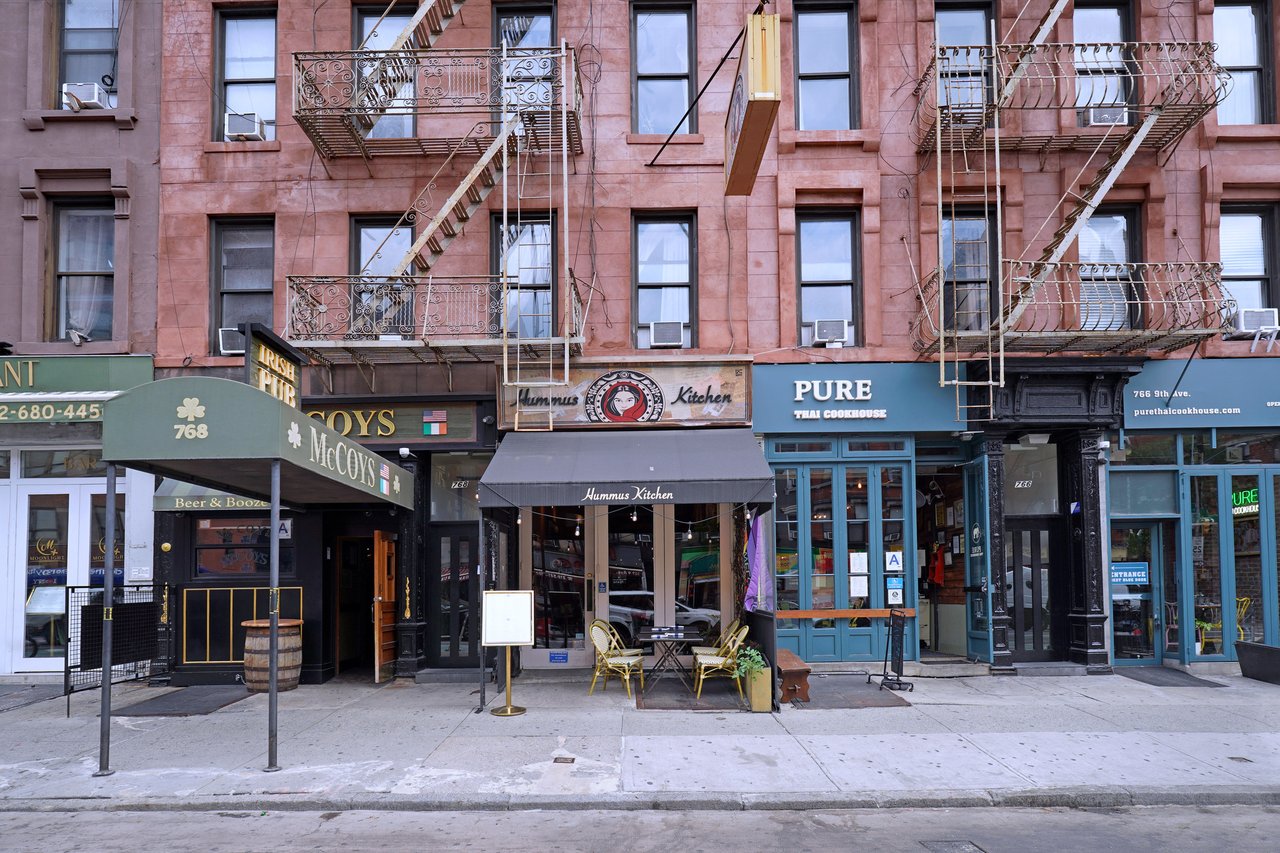
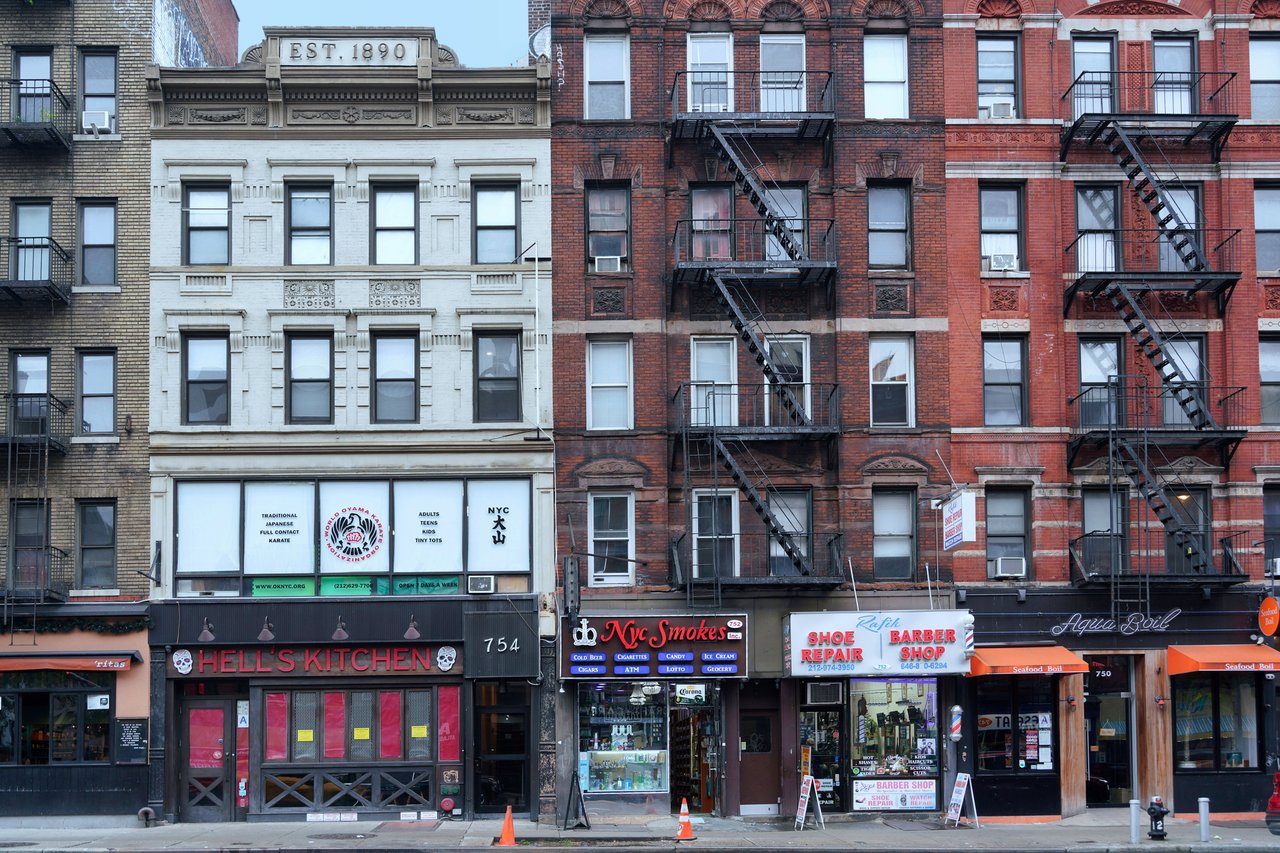
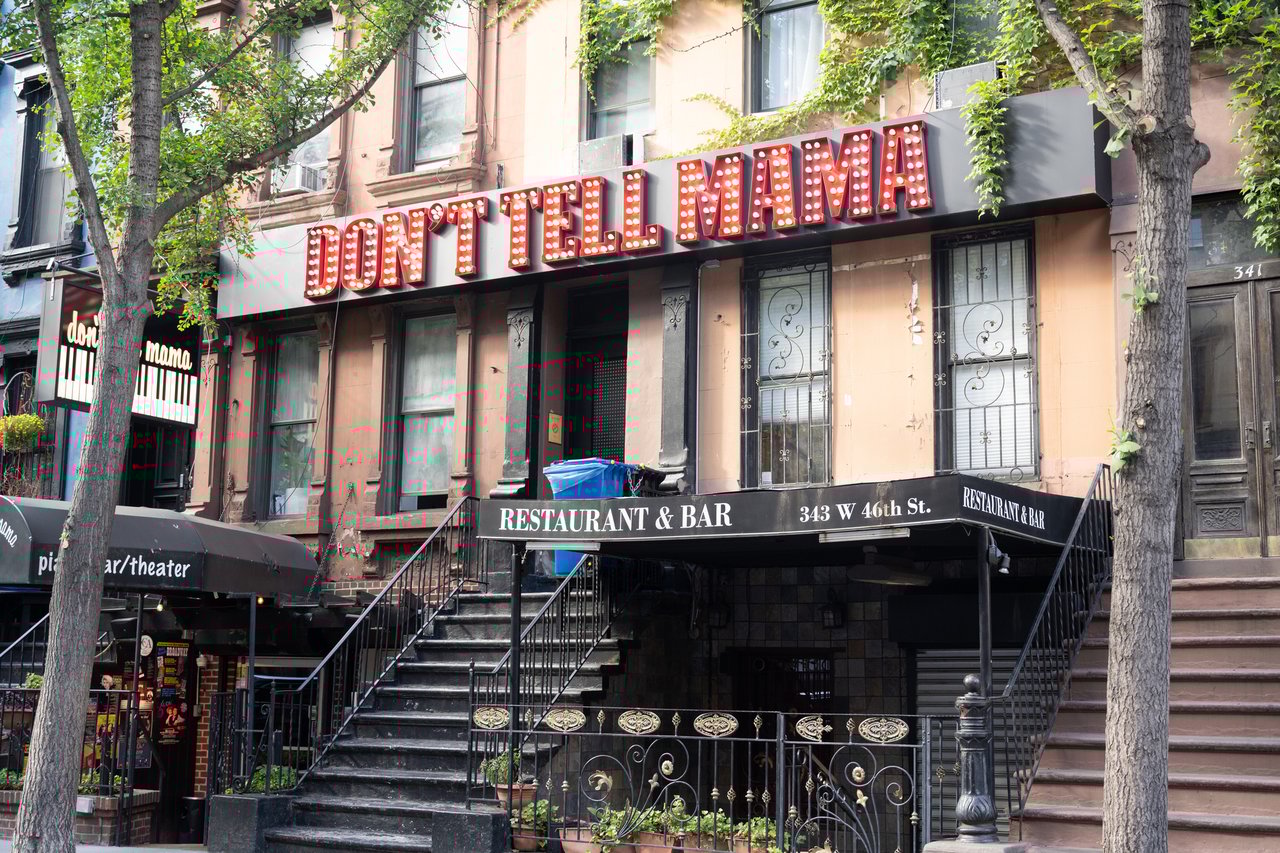
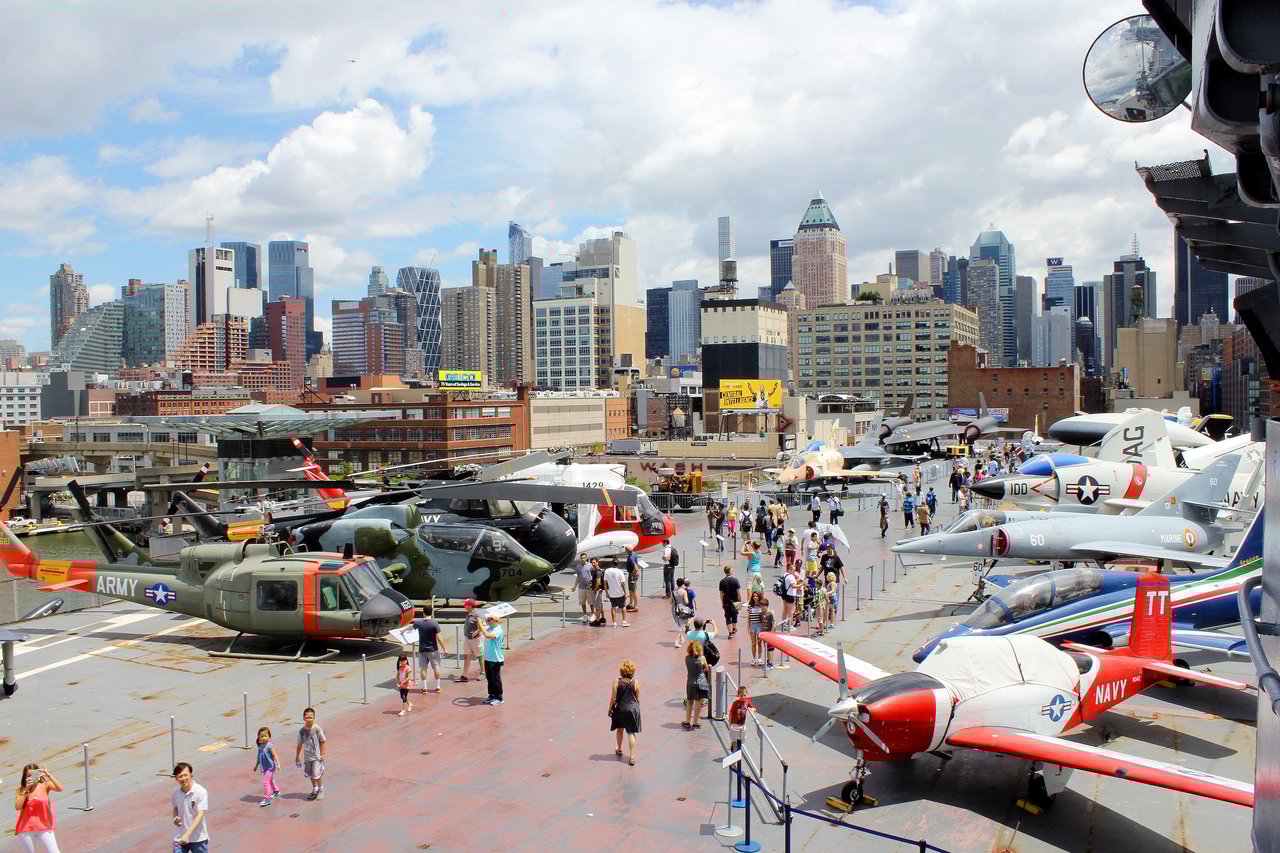


There have been real estate attempts to rename this neighborhood Clinton, and Midtown West, and various combinations of both. None of them stuck. Hell's Kitchen has survived every effort to sand down its name because the name fits — not in the sense of danger, which is largely historical, but in the sense of a neighborhood that has always had too much character to be rebranded into something blandly acceptable. It's the part of Midtown Manhattan that most of Midtown Manhattan is not: unglamorous, walkable, dense with actual life, and stubbornly itself.
Hell's Kitchen had long been a bastion of poor and working-class Irish Americans, with a gritty reputation that kept real-estate prices below those of most other Manhattan areas. Depending on who you ask, the name comes from a 19th-century gang, the press's description of its squalid tenement conditions circa 1881, or a reference to the industrial kitchens that prepared food for Hudson River cruise ships. None of the theories are confirmed. All of them fit.
The neighborhood's proximity to Broadway theatres and lower historical costs made it a haven for aspiring actors. Many famous residents have included Burt Reynolds, Timothée Chalamet, James Dean, Madonna, Jerry Seinfeld, Larry David, Alicia Keys, and Sylvester Stallone. The Actors Studio on West 44th Street, where Lee Strasberg developed method acting, remains in the neighborhood. Manhattan Plaza, a subsidized apartment complex built in the 1970s at 43rd Street between Ninth and Tenth Avenues, was specifically designated for artists and continues to house performers, musicians, and theater workers today.
By one estimate, Ninth Avenue alone contains some 160 restaurants. The avenue runs through Hell's Kitchen from roughly 34th to 57th Street and covers more culinary ground than most neighborhoods manage in twice the space.
There are Caribbean, Chinese, French, German, Greek, Italian, Irish, Mexican, and Thai restaurants as well as multiple Afghan, Argentine, Ethiopian, Peruvian, Turkish, Indian, Pakistani, and Vietnamese restaurants. West African, Senegalese, Colombian, and Venezuelan have joined in recent years. The range evolved from a neighborhood where successive immigrant communities opened restaurants and stayed, layering decades of culinary culture onto a single avenue. The result is a food street that functions like a city-within-a-city, with price points and atmospheres spanning every register.
Highlights from the avenue's current roster: a Thai counter run by a husband-and-wife team serving Ratchaburi-style egg noodles with crab and roasted pork that you won't find anywhere else in the city; an Afghan restaurant where the owner walks every table through the tableside hot sauces and the Kabuli Palow rice dish; a French brasserie serving proper moules marinière and steak frites from a room with mirrored columns and picture windows; and Rudy's Bar, where a free hot dog comes with every beer, and where the outdoor space in summer is one of the more genuinely democratic scenes in Manhattan. Toward the north end of the avenue, newer spots — a Michelin-noted Chinese restaurant reinterpreting regional flavors through a Western lens, an upscale Indian concept exploring regional cuisines — signal the avenue's continued evolution without abandoning its essential character.
Restaurant Row — the block of West 46th Street between Eighth and Ninth Avenues — is the city's classic pre-theater dining destination, and while some of its restaurants are better than others, Joe Allen has served strong martinis, big burgers, and hearty meatloaf to the theater crowd since 1965, with walls covered in original posters from Broadway's biggest flops. It's a New York room in the oldest sense of the phrase.
The Ninth Avenue International Food Festival stretches through Hell's Kitchen from 42nd to 57th Streets every May, usually on the third weekend of the month. It has been running since 1974 and is one of the oldest street fairs in the city.
Broadway is the neighborhood's eastern wall — the theater district runs along 42nd through 51st Streets at Eighth Avenue and beyond. For residents, this means proximity to Broadway at an intensity that no other Manhattan neighborhood provides. But Hell's Kitchen's relationship with theater runs deeper than geography. As a prime home to the Off-Broadway scene, the neighborhood is home to Playwrights Horizons, Signature Theatre, MCC Theater, and New World Stages — where Broadway shows including A Strange Loop developed before moving uptown. Theatre Row on West 42nd Street has six stages. The Baryshnikov Arts Center operates at 37th Street. The Alvin Ailey American Dance Theater opened at 55th Street and Ninth Avenue in 2006.
The practical upshot of all this: if you live here and you care about live performance, you will never run out of things to see.
Hell's Kitchen is the reigning center of NYC's queer nightlife, having absorbed a significant part of the community that once concentrated in Chelsea as that neighborhood's rents and demographics shifted. The Eighth and Ninth Avenue corridors between 42nd and 57th Streets contain a concentration of gay bars, clubs, and queer-owned businesses that makes the neighborhood the city's primary LGBTQ+ nightlife destination. The range spans dive bar to full production, and the neighborhood's openness and density of options makes it one of the more genuinely welcoming nightlife environments in the city for any community.
Hell's Kitchen's western edge is the Hudson River, and what that means practically is Hudson River Park — a four-mile stretch of greenway, lawns, piers, sports facilities, and seasonal programming that runs along the water from 59th Street south. The Hudson River Greenway runs along the neighborhood's western edge and offers a car-separated corridor for running, biking, and bike commuting. On warm evenings and weekend mornings, the piers fill with residents who live in one of the most densely urban neighborhoods in the city and want river views and open sky. The distance between a walk-up apartment on 50th Street and a lawn chair facing New Jersey is genuinely short, and the contrast genuinely striking.
Starting west of Eighth Avenue and north of 43rd Street, city zoning regulations generally limit buildings to six stories. As a result, most buildings are older and are often walk-up apartments. This has been the key to the neighborhood's character preservation: the built environment has resisted the tower-and-podium development pattern that has transformed adjacent areas. The residential core between Ninth and Tenth Avenues in particular feels like a Manhattan that predates the luxury era — brownstones, walk-ups, fire escapes, narrow sidewalks, human scale.
The avenues, particularly Tenth and Eleventh, have seen newer construction and luxury towers, and the neighborhood's southern end near Hudson Yards has absorbed some of the development spillover from that corridor.
Hell's Kitchen is accessible by the A, C, and E trains along Eighth Avenue and by the B, D, and 1 at Columbus Circle at the neighborhood's far northeast corner. Times Square at 42nd Street puts the 1, 2, 3, 7, N, Q, R, and W lines within walking distance. Penn Station, with access to the LIRR, NJ Transit, Amtrak, and the A/C/E/1/2/3, is at the neighborhood's southeast edge. For anyone who travels frequently or commutes across the region, the transit position is exceptional. The Port Authority Bus Terminal at 42nd and Eighth Avenue connects to New Jersey and beyond.
The neighborhood draws a specific kind of New Yorker: someone who wants to be at the center of the city without paying the premium that comes with neighborhoods that have fully absorbed their own desirability. In Hell's Kitchen, what you see is what you get — great dining, affordable apartments, and a low-key vibe. The people who live here tend to be in the arts, in hospitality, in media, or working in the Midtown corridor to the east. They value access over prestige, food over scenery, and a neighborhood that functions as a neighborhood rather than a brand. The name still carries a trace of the reputation that kept it underpriced for decades.
There's plenty to do around Hell's Kitchen, including shopping, dining, nightlife, parks, and more. Data provided by Walk Score and Yelp.
Explore popular things to do in the area, including Martin's News & Sundry, Dom Fetele, and MJM fitness.
| Name | Category | Distance | Reviews |
Ratings by
Yelp
|
|---|---|---|---|---|
| Shopping | 0.32 miles | 0 reviews | 0/5 stars | |
| Shopping | 0.4 miles | 0 reviews | 0/5 stars | |
| Active | 0.19 miles | 0 reviews | 0/5 stars | |
| Active | 0.25 miles | 0 reviews | 0/5 stars | |
| Active | 0.32 miles | 0 reviews | 0/5 stars | |
| Nightlife | 0.36 miles | 1 review | 5/5 stars | |
|
|
||||
|
|
||||
|
|
||||
|
|
||||
|
|
||||
|
|
52,986 people live in Hell's Kitchen, where the median age is 43 and the average individual income is $108,355. Data provided by the U.S. Census Bureau.
Total Population
Median Age
Population Density Population Density This is the number of people per square mile in a neighborhood.
Average individual Income
With over a decade of expertise in Manhattan and Brooklyn, Brandon Mason looks forward to providing you with a real estate experience that is second to none. Feel free to explore our website, and contact Brandon with any questions you may have.
Let's Connect