

Brandon Mason
Phone
(917) 924-2145
Email
[email protected]

Murray Hill and Kips Bay are neighbors in the truest sense — they share borders, transit lines, a stretch of the East River, and a broadly similar demographic of young professionals and recent arrivals who need proximity to Midtown without paying Midtown prices.
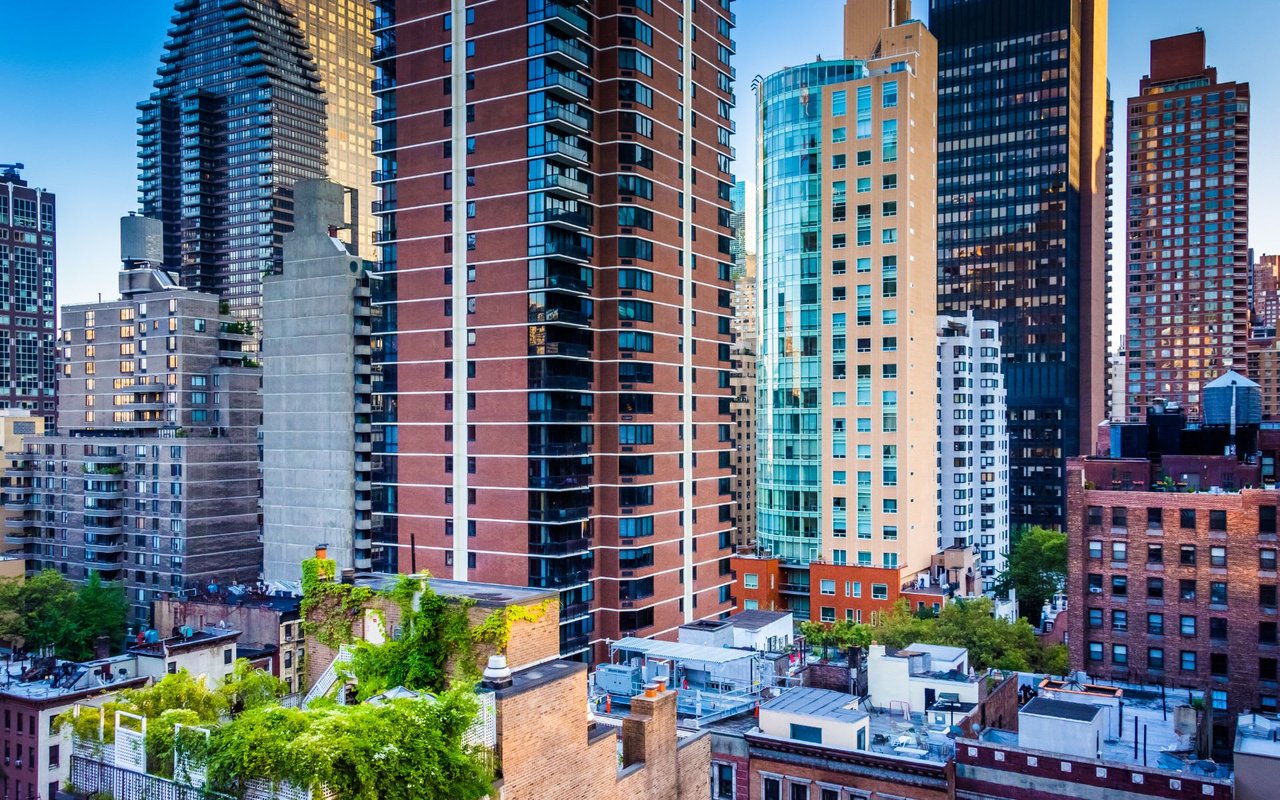
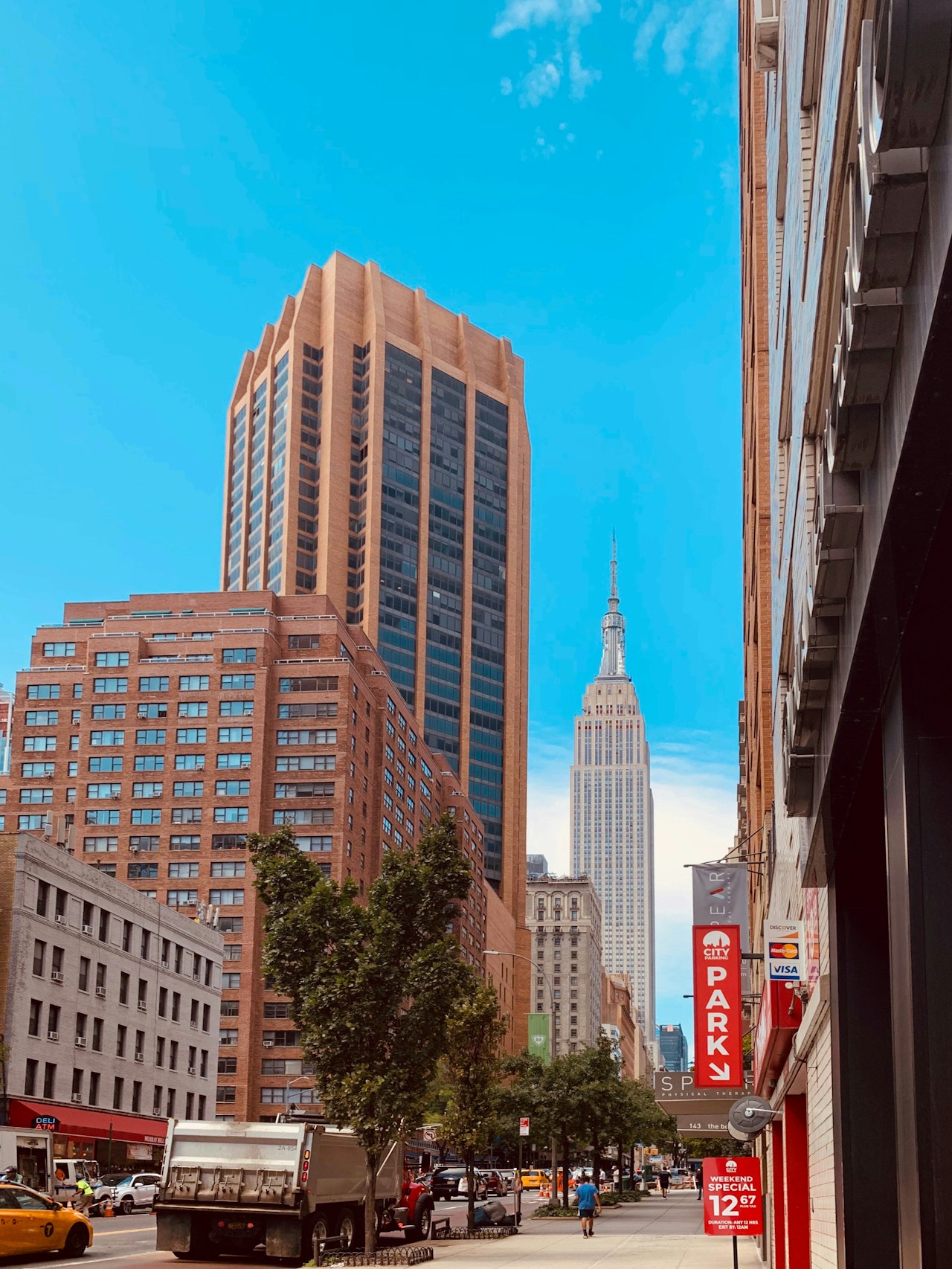
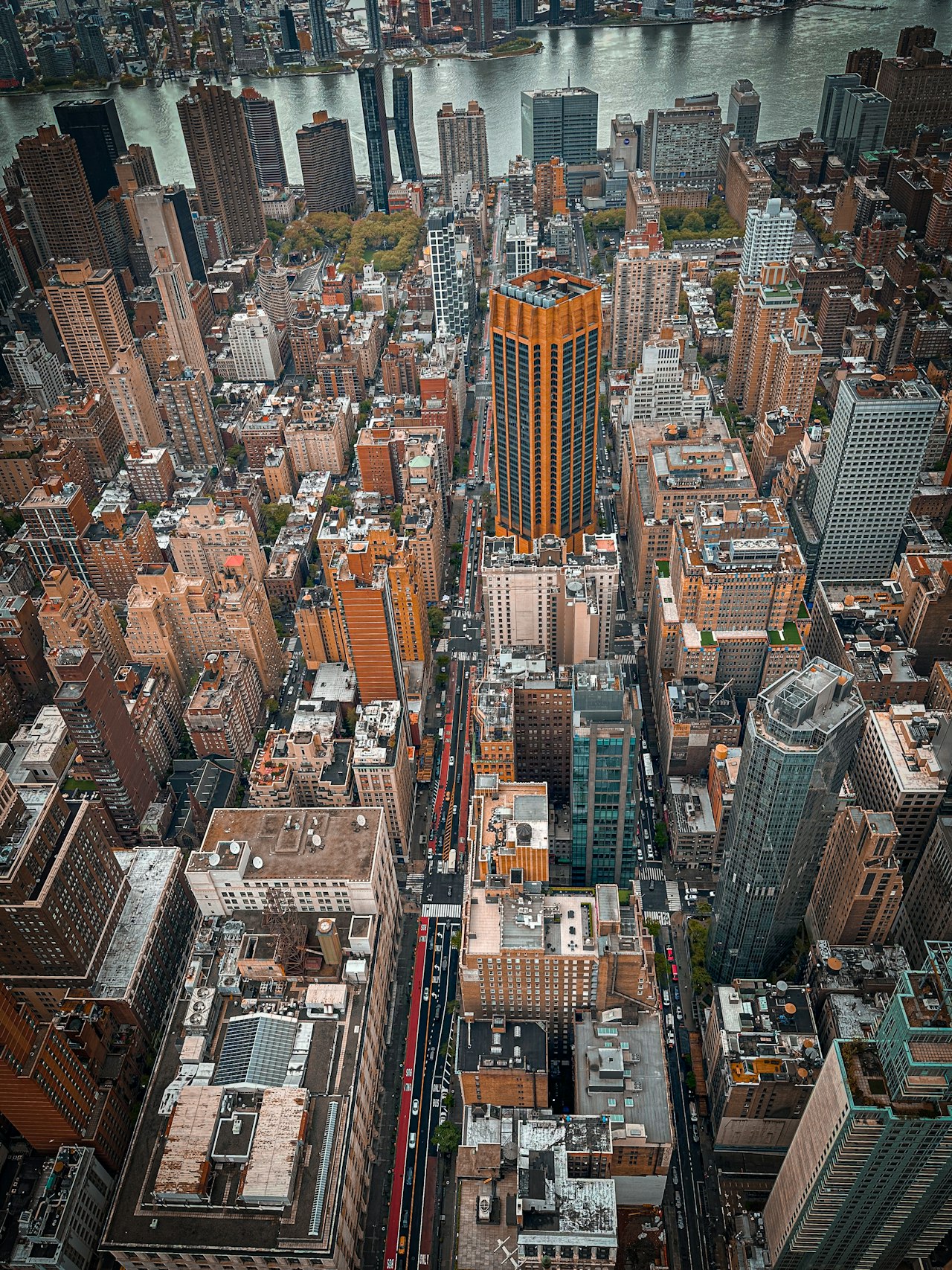
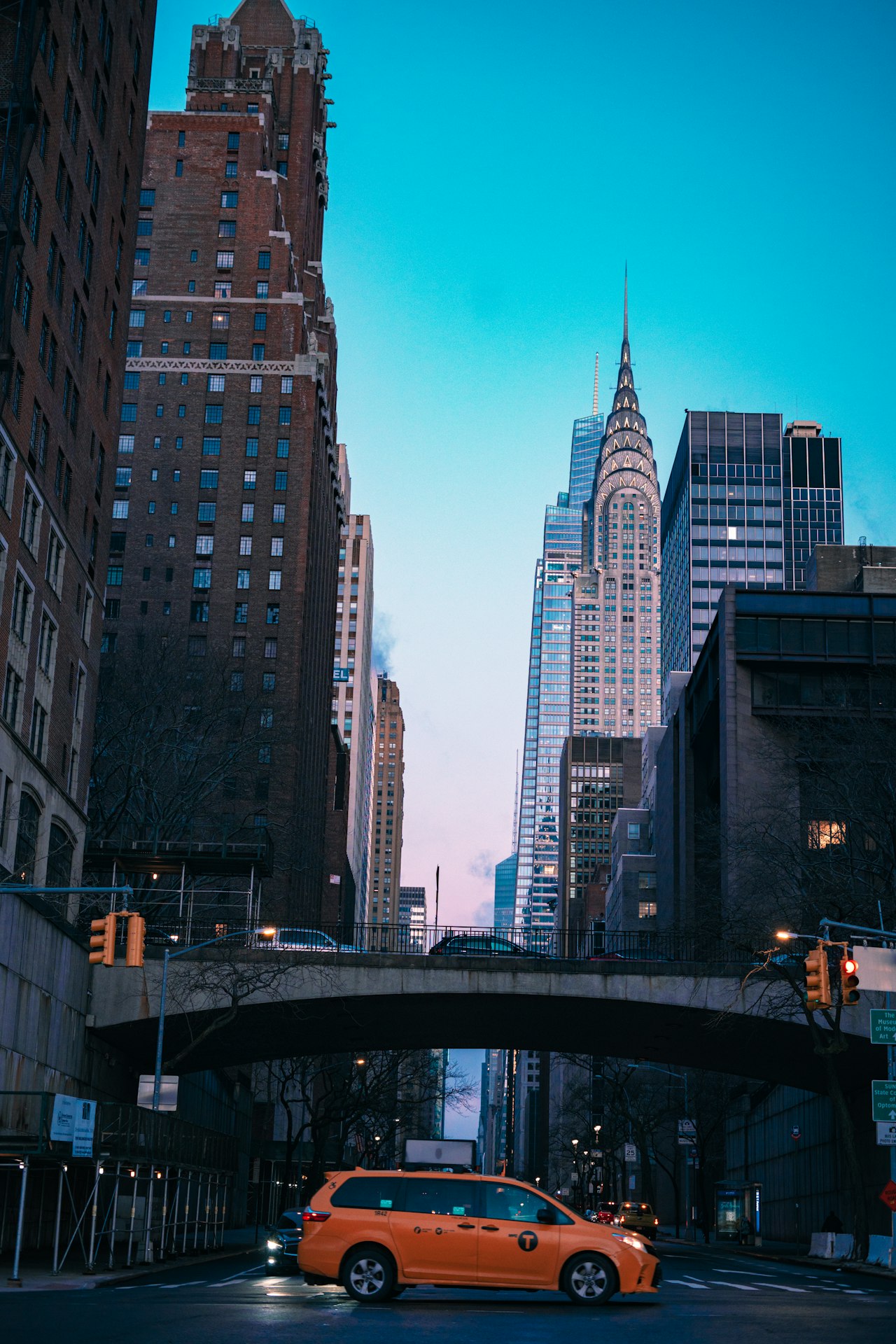
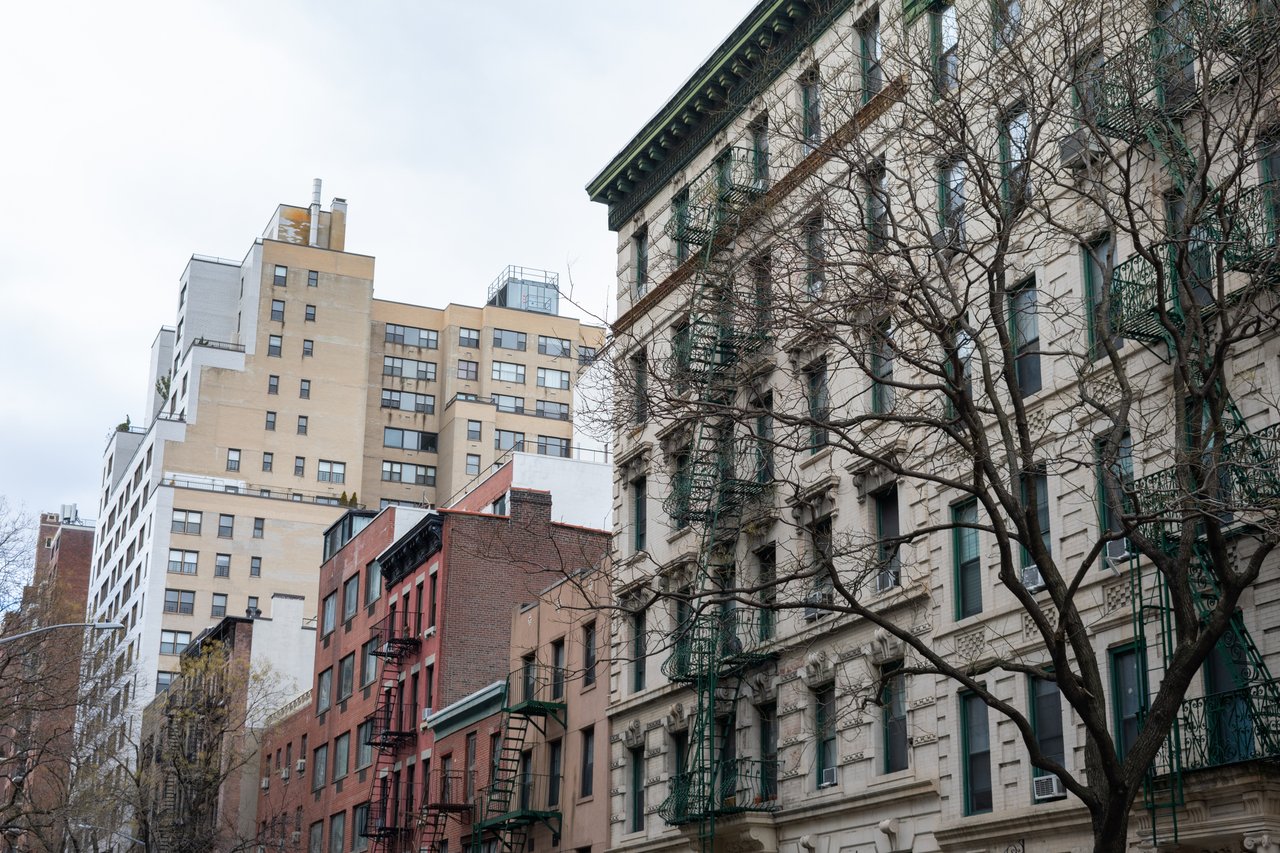
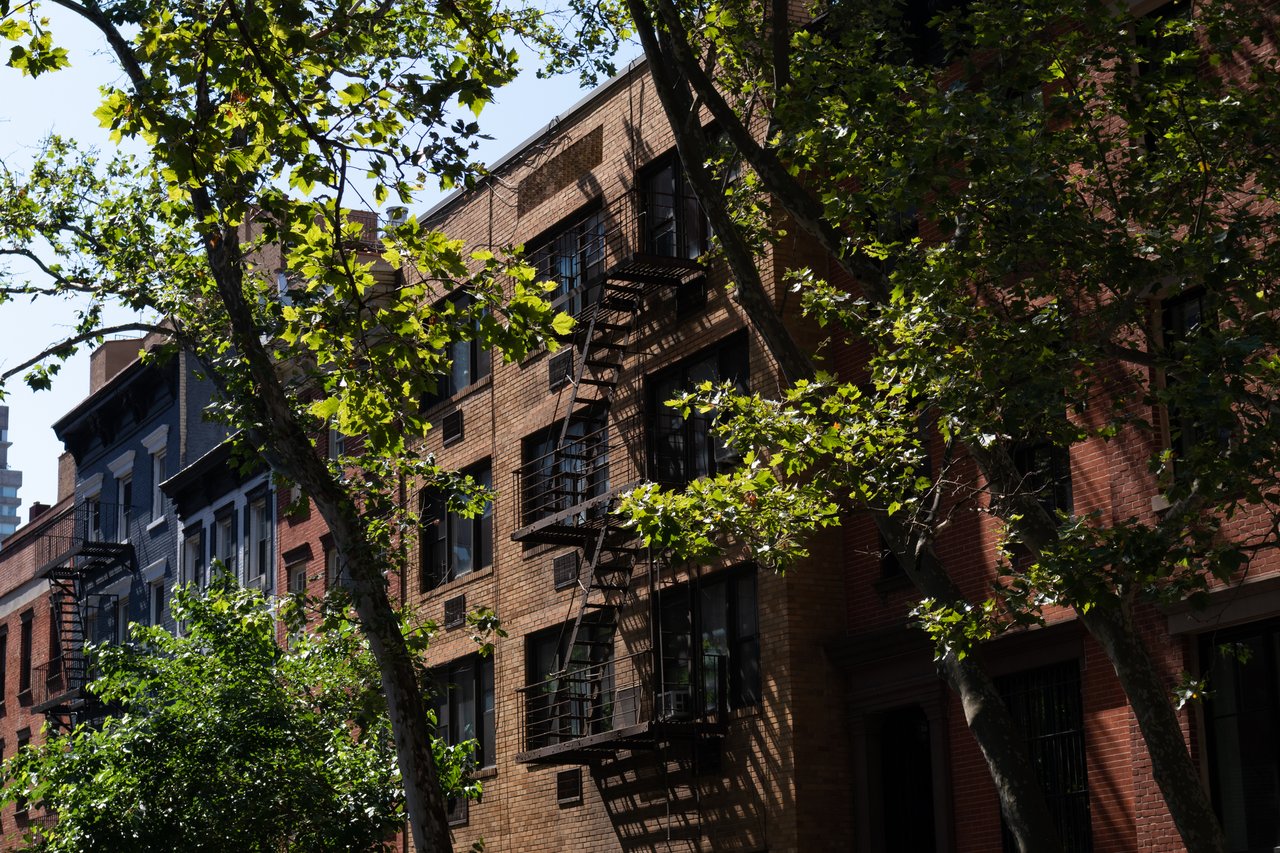
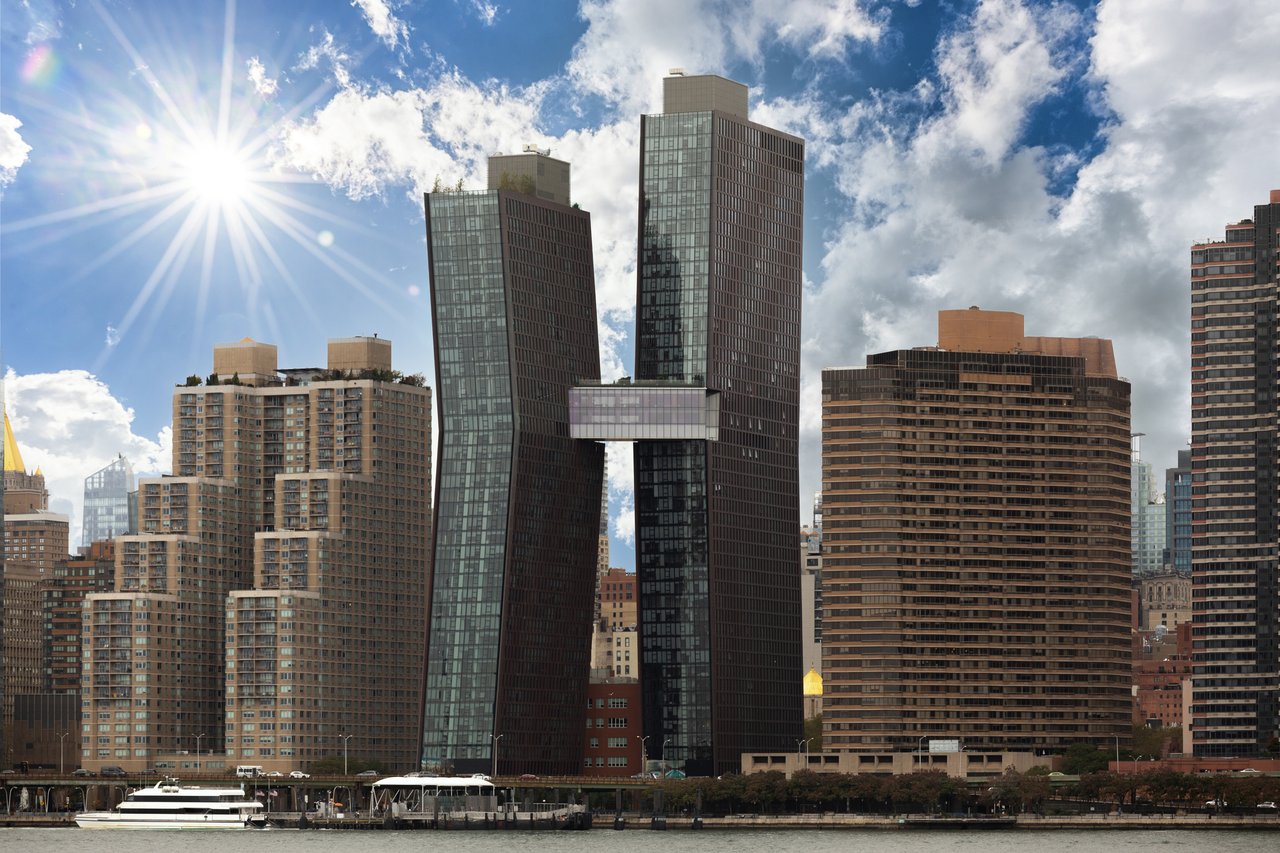
Murray Hill and Kips Bay are neighbors in the truest sense — they share borders, transit lines, a stretch of the East River, and a broadly similar demographic of young professionals and recent arrivals who need proximity to Midtown without paying Midtown prices. Together they form the practical core of Manhattan's mid-East Side: not the most glamorous address in the city, but one of the most consistently livable.
Murray Hill's origins are patrician. The neighborhood is named after Robert Murray, a Quaker merchant who owned a large estate here in the 18th century. His wife Mary is said to have delayed British troops by inviting them to tea during the American Revolutionary War, buying time for the Continental Army to retreat — an anecdote that, true or embellished, tells you something about the neighborhood's original social register. By the mid-19th century, Murray Hill had become one of Manhattan's most fashionable residential addresses, its streets lined with the brownstones and carriage houses of merchant families and industrialists.
When J.P. Morgan built his conservative brownstone mansion in 1882 on Madison Avenue at 36th Street, it was considered a fashionable but slightly old-fashioned address, as the wealthy were filling Fifth Avenue with palaces as far north as Central Park. Morgan built his private library next door — now one of the most significant cultural institutions in New York, and one of the few places in the city where you can still stand inside the physical world that the Gilded Age created.
The Morgan Library & Museum at 225 Madison Avenue is composed of several structures: McKim, Mead and White's original Beaux-Arts library building, a 19th-century Italianate brownstone that once belonged to Isaac Newton Phelps, and a glass entrance building designed by Renzo Piano. The collection includes more than 350,000 objects: illuminated manuscripts, authors' original manuscripts, musical scores, drawings, and photographs assembled across multiple generations of the Morgan family. The historic rooms of Morgan's original library are open free of charge on Tuesdays and Sundays between 3 and 5 PM, no reservation required. The library's interior — a triple-tiered rotunda of book-lined walls, bronze fittings, and Florentine ceiling paintings — is among the most extraordinary rooms in New York, and most people who live a few blocks away have never been inside.
Sniffen Court is a small row of mews running perpendicularly off East 36th Street between Lexington and Third Avenues, consisting of ten two-story brick Romanesque Revival stables built between 1863 and 1864. The original carriage houses served the mansions on Madison and Fifth Avenues. Over the decades they were converted to residences, studios, and other uses. Cole Porter owned two of them. Sculptor Malvina Hoffman had her studio here and created sculpted plaques of horsemen on the rear wall, which are still visible. The Doors used Sniffen Court for the cover of their album Strange Days. The gate off 36th Street is usually open to passersby; the mews is quiet in the manner of a private residential court that has somehow survived intact inside Midtown Manhattan.
Also in Murray Hill, hidden on the top floor of a brownstone: Regarding Oysters, a speakeasy run by Georgette Moger, the widow of bartender Sasha Pestraske. It's an oyster salon and cocktail experience where guests shake their own drinks from recipes in Pestraske's book Regarding Cocktails, with a view of the Chrysler Building. It's by appointment, intimate, and completely unlike anything else in the neighborhood or the city.
A section of Murray Hill and nearby Rose Hill is called Little India, or Curry Hill, for its large Indian and South Asian population. The stretch runs roughly along Lexington Avenue from 27th to 30th Streets and includes some of the most concentrated South Asian dining in Manhattan — vegetarian South Indian restaurants serving dosas and idlis, halal shops, spice merchants, and storefronts that stock ingredients unavailable in most of the city's supermarkets. Kalustyan's, at 123 Lexington Avenue, is the anchor: a specialty grocery that carries over 1,000 spices, grains, and pantry ingredients from every culinary tradition on earth, and which has been operating in this location since 1944. It's one of those city institutions that operates below tourist radar while supplying the kitchens of professional chefs and home cooks across all five boroughs.
Koreatown is just a few blocks to the west, centered on 32nd Street between Fifth and Eighth Avenues. Murray Hill residents treat it as an extension of their own neighborhood dining options, which it functionally is — Korean BBQ, late-night bingsu, soju bars, karaoke, and the particular category of 24-hour Korean restaurants that serve army stew and fried chicken at 3 AM. The proximity gives Murray Hill a food culture that punches well above the neighborhood's otherwise unassuming culinary profile.
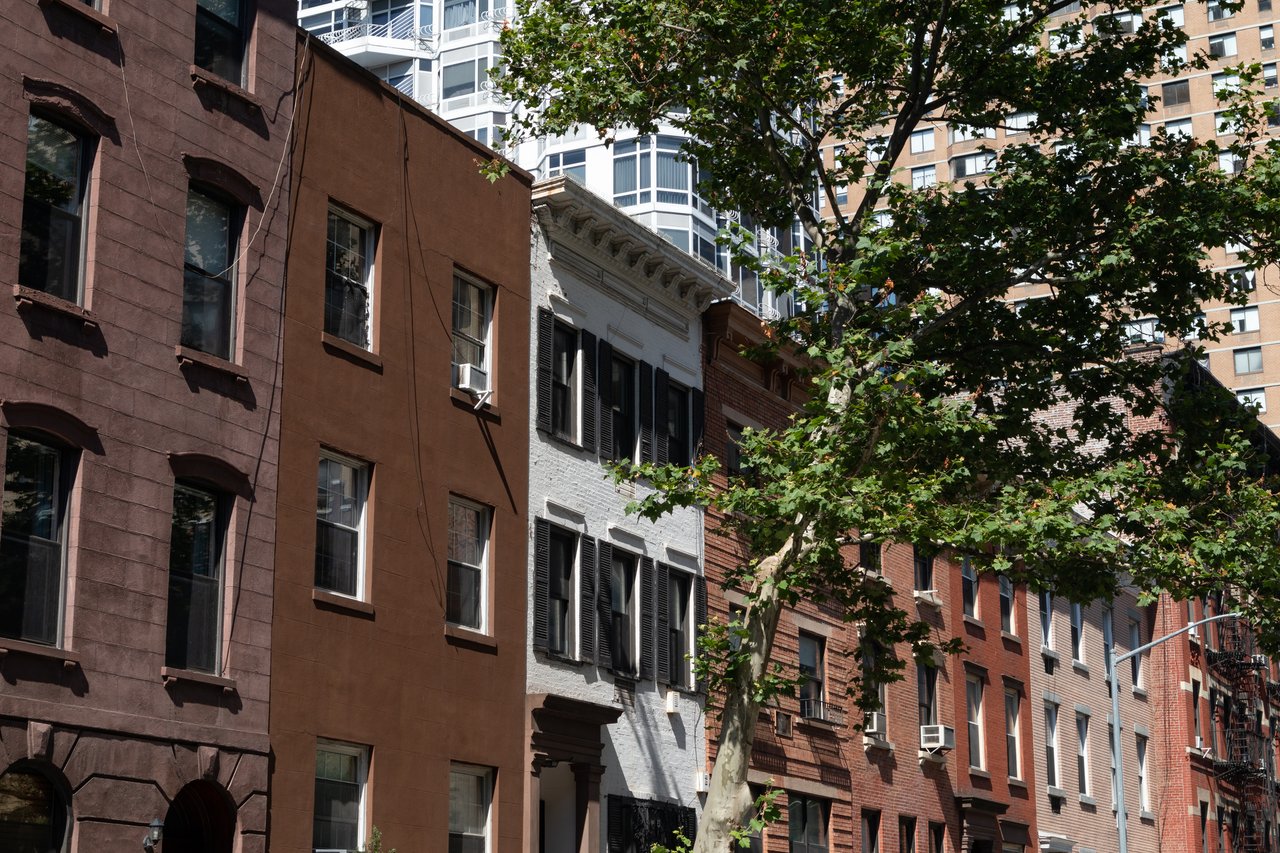
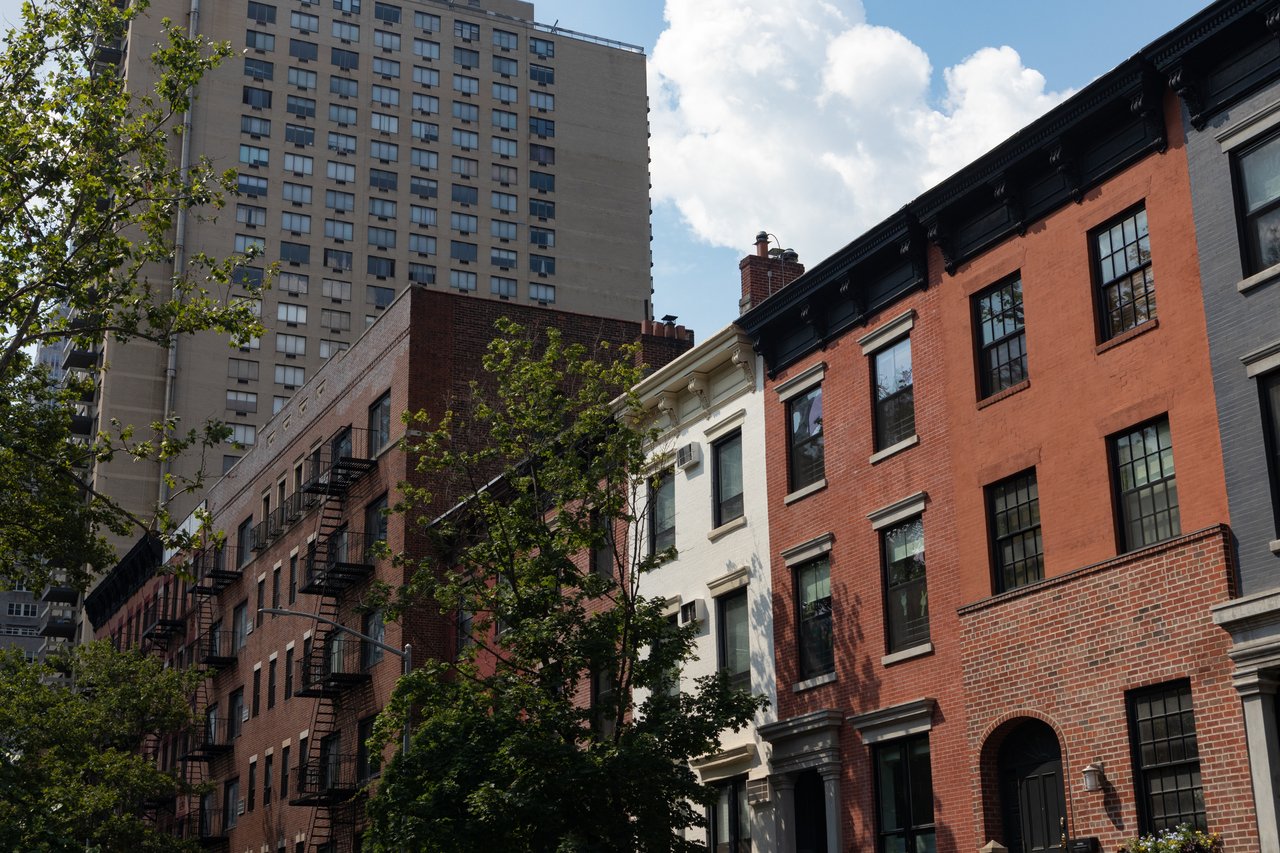
The Murray Hill Historic District preserves many of the brownstones and carriage houses built in the mid-1800s, particularly between Lexington and Third Avenues. The brownstones throughout the neighborhood are often over 20 feet wide, offering proportions rarely seen in modern construction. On the side streets — 35th, 36th, 37th — the scale is human and the pace drops perceptibly from the avenue traffic. Park Avenue retains some of the widest and most elegant residential buildings in the corridor; Lexington runs commercial and dense. Between them, the blocks still feel like the neighborhood that once housed the city's merchant class, even as it's now home to a much younger and more transient population.
Murray Hill has a reputation, earned largely on its Third Avenue bar strip, as a neighborhood of recent college graduates and sports bars. That characterization isn't entirely wrong — the stretch of Third Avenue from 30th to 36th Streets has the highest concentration of bars per block in Midtown, and the median age skews young. But it flattens a neighborhood that also has significant families, professionals who have lived here for decades, and a residential quiet on the side streets that bears no resemblance to the Thursday-night scene on the avenues.
Murray Hill offers a balance of convenience, character, and accessibility, combining historic rowhouses, cultural institutions, and a lively dining scene with one of Manhattan's most central locations. Grand Central Terminal is a ten-minute walk. The 4, 5, and 6 trains run along Lexington. The 6 is Murray Hill's workhorse — a straight shot to the Upper East Side or downtown.
Kips Bay, named after a Dutchman from the 1600s who operated farmland in the area, is a rare neighborhood where Manhattanites embrace their proximity to the water. It runs from roughly 23rd to 34th Streets between Lexington Avenue and the East River, and its defining characteristics are what it is adjacent to rather than what it loudly announces itself to be. Gramercy Park is just to the south. Murray Hill is directly north. The East River is to the east. NYU Langone and Bellevue Hospital define the eastern corridor along First Avenue. The neighborhood lives between all of these things without particularly being any of them.
NYU Langone Medical Center and Bellevue Hospital are prominent landmarks, making the neighborhood a hub for healthcare professionals. Bellevue — the oldest public hospital in the United States, founded in 1736 — occupies a large campus along First Avenue. NYU's dental school, medical school, and affiliated research facilities are clustered in the same corridor. The result is a neighborhood with an unusually high proportion of residents who work in medicine and research: nurses, doctors, residents, and students from NYU who need proximity to the hospital complex. Baruch College, just to the west, adds another layer of student population.
"The greatest thing about being here is that you're obviously in Manhattan, but it's a little quieter," says one longtime Kips Bay resident. "We're really central, but we're tucked away." That description holds. The commercial avenues — Second and Third — have restaurants, bars, and everyday retail. First Avenue, lined with hospital facilities, is functional rather than lively. Between them, the side streets are quiet in a way that most of Midtown doesn't manage.
Many condo and co-op buildings have views of the East River and the Brooklyn and Queens skylines, and a waterfront path offers exercise for walkers and cyclists. The East River Esplanade runs along the neighborhood's eastern edge, giving residents a car-free path for running and biking with unobstructed water views. Stuyvesant Cove Park, a small waterfront green space at 23rd Street, provides a quiet spot to sit and watch the river. The BQX streetcar project, if it ever materializes, would add another transit option along this corridor — but it has been in planning limbo for years and shouldn't factor into any near-term decision.
Kips Bay's restaurant scene is a workmanlike mix of neighborhood essentials and a few genuinely good finds. Penelope, on Lexington Avenue, is a long-running brunch and comfort food destination with a warm, diner-adjacent personality that has made it a neighborhood institution. Third Avenue's bars cater to the student and young professional population, with Irish taverns, craft beer spots, and casual pubs serving as the neighborhood's social infrastructure. The Jazz Standard — now relocated but long associated with this corridor — was one of New York's most respected mid-size jazz venues for decades.
Trader Joe's, Target, and Whole Foods are all within the neighborhood's orbit, which matters more to daily life than most neighborhood guides acknowledge. The grocery situation in Kips Bay is genuinely good by Manhattan standards.
Kips Bay features a mix of housing: while most of First Avenue is healthcare-dominated with hospitals lining the area, Second Avenue has midcentury brick apartment buildings. Many prewar low-rises and several townhouses remain on the tree-lined side streets. The Kips Bay Towers — a pair of large mid-century residential complexes designed by I.M. Pei — sit at the neighborhood's southern edge along Second Avenue and represent one of the earliest examples of large-scale urban renewal design in Manhattan. Their superblock footprint removed the traditional street grid in that section, which is worth understanding before you walk it for the first time.
The 6 train runs along Lexington at 28th and 33rd Streets, providing the neighborhood's primary subway connection. The M15 bus along First and Second Avenues is one of the more useful crosstown options. Grand Central is a fifteen-minute walk north. Penn Station, at the neighborhood's northwest edge, is accessible by bus.
There's plenty to do around Murray Hill / Kips Bay, including shopping, dining, nightlife, parks, and more. Data provided by Walk Score and Yelp.
Explore popular things to do in the area, including Mohsin Malik, MD.
22,713 people live in Murray Hill / Kips Bay, where the median age is 37 and the average individual income is $127,676. Data provided by the U.S. Census Bureau.
Total Population
Median Age
Population Density Population Density This is the number of people per square mile in a neighborhood.
Average individual Income
With over a decade of expertise in Manhattan and Brooklyn, Brandon Mason looks forward to providing you with a real estate experience that is second to none. Feel free to explore our website, and contact Brandon with any questions you may have.
Let's Connect