



Brandon Mason
Phone
(917) 924-2145
Email
[email protected]

The "best-kept secret" label gets applied to neighborhoods all over the city, usually by people who no longer want it kept secret. In the case of Prospect Lefferts Gardens, the description has proven strangely durable.
The "best-kept secret" label gets applied to neighborhoods all over the city, usually by people who no longer want it kept secret. In the case of Prospect Lefferts Gardens, the description has proven strangely durable.
The neighborhood sits directly on the eastern edge of Prospect Park — one of the most desirable addresses in Brooklyn by any logical measure — and yet it has developed at a different pace than the neighborhoods on the park's north and west flanks. The reasons are partly historical, partly demographic, and partly a function of what the neighborhood actually is: a place that was never quite as frictionless to market as its neighbors, and that has consequently held onto a character that feels less manufactured and more lived-in.
PLG takes its rather long name from three nearby locations: Prospect Park, Lefferts Manor, and the Brooklyn Botanic Garden. The Lefferts family were among Brooklyn's earliest Dutch landowners, and their farmhouse — built around 1783 — still stands inside Prospect Park as a working historic house museum. Urbanization began in earnest after the 1860s, following the opening of Prospect Park and the extension of streetcar lines down Flatbush Avenue. The Lefferts family eventually subdivided and sold large portions of their holdings in the 1890s for planned development. The Lefferts Manor Company, founded in 1893, imposed restrictive covenants stipulating that all homes must be detached or semi-detached, of stone or brick construction, and at least two stories high. Those covenants are still in effect within the Lefferts Manor Historic District today, and they're the reason the neighborhood's core residential streets look the way they do.
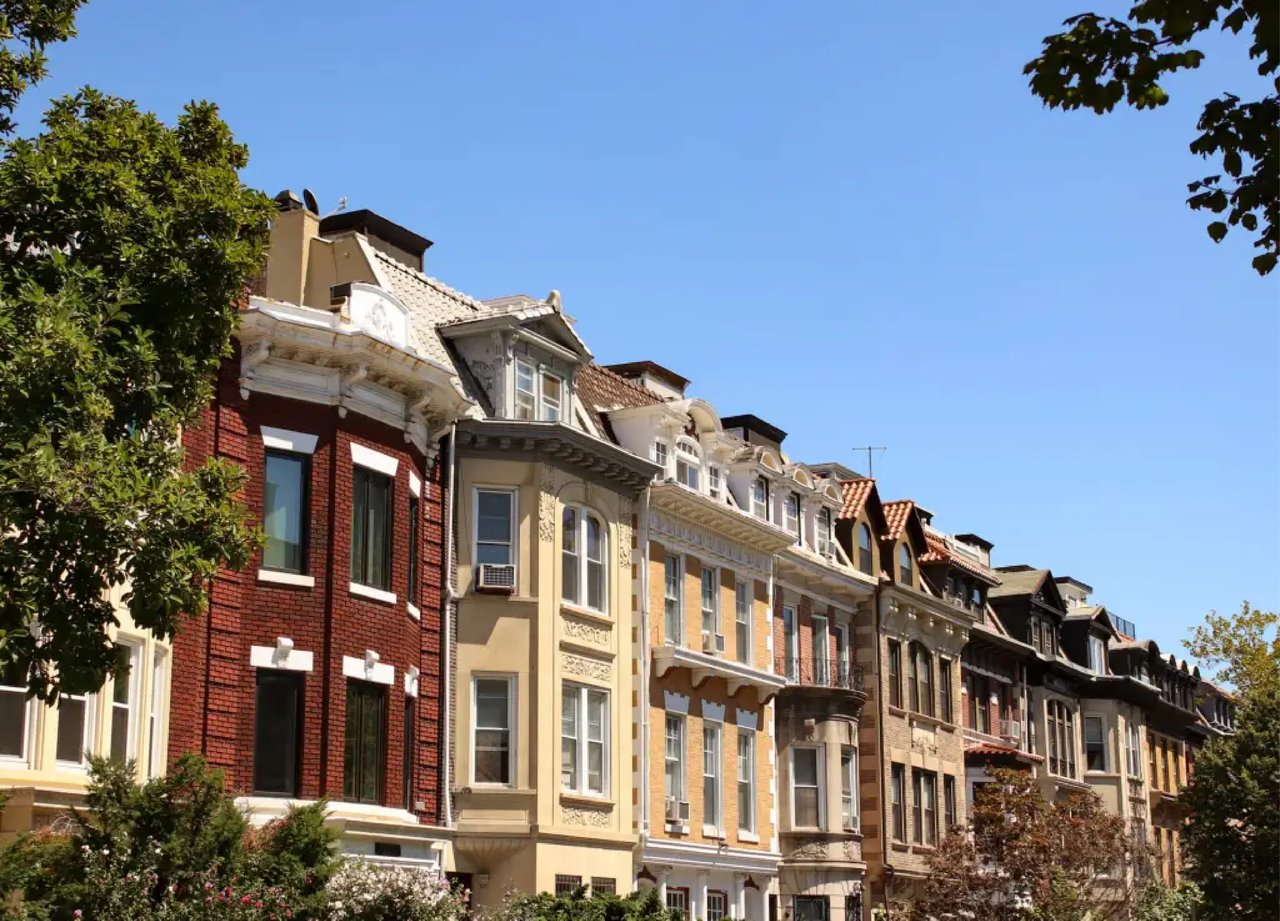
PLG's streets display a remarkable architectural harmony — limestone, brick, and brownstone rowhouses in Renaissance Revival, Neo-Federal, and Tudor Revival styles that rank among the most beautiful in the borough. The residential streets closest to the park — Sterling, Maple, Rutland, Midwood — feel genuinely grand, with setbacks, front gardens, and original woodwork details that would cost considerably more to live near in Park Slope or Prospect Heights. The Chester Court Historic District is a cul-de-sac made up of 18 Tudor Revival-style houses, while the Ocean on the Park Historic District consists of brick and limestone townhouses set back from the road behind a shared forecourt. These micro-districts give the neighborhood a diversity of architectural experience that rewards walking and rewards staying.
The broader housing stock spans red-brick co-ops, modern steel condos, and single-family homes with fenced-in front lawns — a variety that's hard for other Brooklyn neighborhoods to match. The mix means PLG isn't any one type of neighborhood, which is part of its appeal.
PLG's relationship with Prospect Park is the neighborhood's defining practical advantage. Being nestled right up against the park allows residents to take full advantage of its eastern third. Notably close is the LeFrak Center at Lakeside, which has a rink for roller or ice skating depending on the season, in addition to boat and bike rentals. The historic Beaux-Arts Boathouse on the Lullwater — home to the Audubon Center — is a short distance further. The Lena Horne Bandshell hosts free summer concerts. The park's cycling loop, the Long Meadow, the Peninsula, and the path to the Ravine are all accessible from the neighborhood's western edge.
The proximity also means PLG residents are a short walk from two of Brooklyn's most significant cultural institutions: the Brooklyn Museum and the Brooklyn Botanic Garden. The Franklin Avenue Shuttle is the fastest connection north to the Botanic Garden, and the ride takes minutes.
Prospect Lefferts Gardens is the locus of Caribbean-American culture in Brooklyn. Flatbush Avenue, the neighborhood's commercial spine, reflects decades of West Indian and Haitian immigration — bakeries selling coconut rolls and hard dough bread alongside bodegas stocked with imported Caribbean staples, Dominican beauty supply shops, and Haitian restaurants that have been feeding the neighborhood since long before anyone was writing neighborhood guides about it. The annual J'Ouvert parade, which begins in the pre-dawn hours on Labor Day weekend, is one of the most singular cultural events in Brooklyn — a street celebration rooted in Trinidadian Carnival tradition that has been part of this neighborhood's rhythm for generations.
This cultural identity is the neighborhood's most distinctive quality and the thing that most differentiates PLG from the other park-adjacent neighborhoods. It's not decorative diversity. It's the neighborhood's actual foundation.
The food scene divides naturally between the long-established and the newer arrivals, and both deserve attention.
Peppa's Jerk Chicken on Flatbush Avenue is a counter-service institution — cash only, a few Caribbean dishes, and the jerk chicken is among the best uses of a small amount of money in the borough. De Hot Pot is a cash-only Trinidadian spot where a full meal costs less than $10. Errol's Caribbean bakery on Flatbush makes the neighborhood's best coconut rolls. These are the places that have been here, feeding the neighborhood, through every wave of demographic change.
On the newer end: Camillo is a traditional Roman restaurant specializing in pinsa — an ancient-style Roman pizza made with organic wheat and rice flour, with dough left to rise over 48 hours and baked in an imported Moretti Forni oven, producing a crust lighter and crispier than Neapolitan. Named after Count Camillo Negroni — allegedly the inventor of the negroni cocktail — the bar program is serious and the room is warm. It's the neighborhood's anchor for a proper dinner out. Bonafini, nearby, is the more casual Italian alternative: one long room, brick walls, reliable pasta, and a crowd that seems to already know each other.
Glou is a one-room wine bar serving small plates and mostly-natural wines on Rogers Avenue — intimate, well-edited, and the kind of place that becomes a weekly habit. Zanmi is a Haitian restaurant that brings some formality to a cuisine that's often served in counter-service settings, and it's been quietly excellent. Hamlet Coffee Company is the neighborhood's coffee anchor near the park entrance. Parkside does Neapolitan-style pizza with interesting cocktails and affordable wine.
Franklin Avenue, which runs along the neighborhood's western edge, has developed into one of the better commercial strips in central Brooklyn. It connects PLG to Crown Heights to the north and provides access to the Franklin Avenue Shuttle — a useful piece of transit that most newcomers don't know about but residents swear by.
Greenlight Bookstore has an outpost in PLG, known for community events including Staff Storytime and collaborations with local Black-owned businesses. The Lefferts Community Farmers Market runs seasonally. The neighborhood has an active civic culture — block associations, the PLG Arts organization, and a strong community board presence that has shaped how development has proceeded here.
The 2, 5, B, and Q trains all stop in PLG. The 2 and 5 express trains at Nostrand Avenue and Beverly Road connect to Manhattan quickly — roughly 20 to 30 minutes to Midtown, and faster to Downtown Brooklyn and the Financial District. It's about a 15-minute commute to Downtown Brooklyn and 20 to 30 minutes to Lower Manhattan. For a park-adjacent Brooklyn neighborhood with this level of architectural quality, the transit picture is genuinely strong.
"It's a delicious mix of city and country," says one longtime broker. "As you walk by gorgeous brownstones closer to the park, you feel like you're not even in New York City. And then you turn a corner and it's urban America at its best." That coexistence is the defining experience of PLG. The neighborhood doesn't resolve its tensions — between longtime residents and newer arrivals, between the Caribbean cultural identity of Flatbush Avenue and the changing demographics of the side streets — so much as it holds them in proximity, which is what the best neighborhoods tend to do.
People often compare PLG to the Upper West Side: a great park directly accessible, stately architecture on the residential streets, a commercial main drag that's genuinely mixed, and a neighborhood identity strong enough to persist through demographic change. The comparison isn't perfect, but the feeling it's reaching for is right. PLG offers the park-adjacent Brooklyn life at a price point that Park Slope hasn't offered in years — with a cultural depth and architectural richness that most neighborhoods trying to fill that gap simply don't have.
There's plenty to do around Prospect Lefferts Gardens, including shopping, dining, nightlife, parks, and more. Data provided by Walk Score and Yelp.
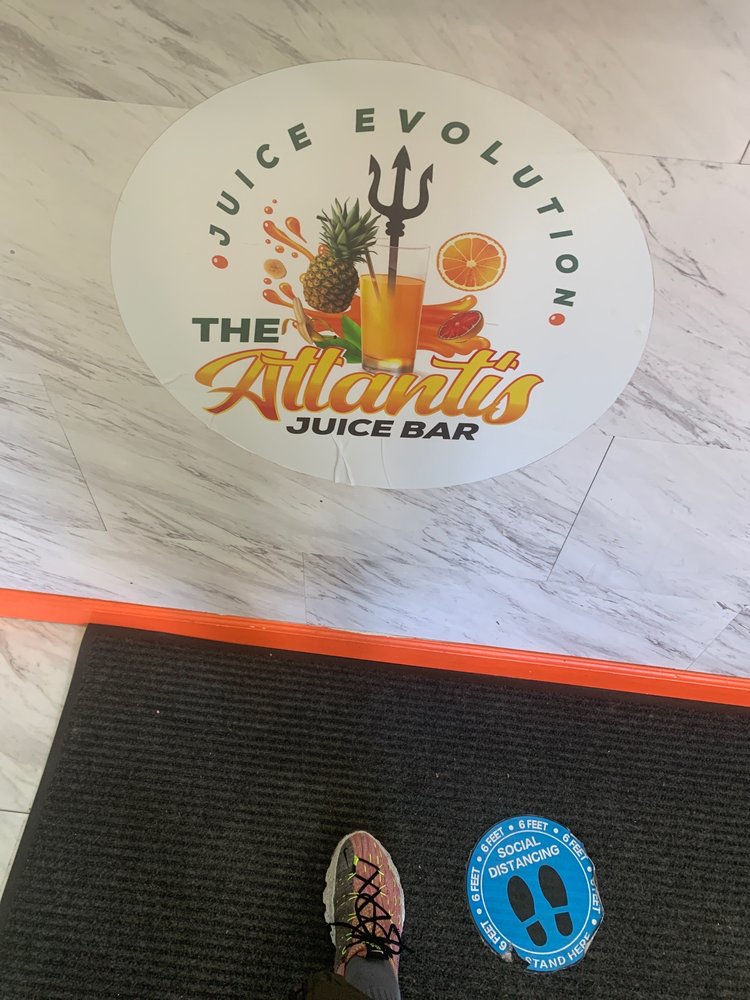
Explore popular things to do in the area, including The Atlantis Juice Bar, Game & Cell Spot, and ES Wellness.
| Name | Category | Distance | Reviews |
Ratings by
Yelp
|
|---|---|---|---|---|
| Dining | 0.31 miles | 1 review | 3/5 stars | |
| Shopping | 0.35 miles | 4 reviews | 3/5 stars | |
| Active | 0.15 miles | 0 reviews | 0/5 stars | |
| Beauty | 0.26 miles | 0 reviews | 0/5 stars | |
| Beauty | 0.35 miles | 0 reviews | 0/5 stars | |
|
|
||||
|
|
||||
|
|
||||
|
|
||||
|
|
||||
|
|
28,139 people live in Prospect Lefferts Gardens, where the median age is 40 and the average individual income is $58,999. Data provided by the U.S. Census Bureau.
Total Population
Median Age
Population Density Population Density This is the number of people per square mile in a neighborhood.
Average individual Income
With over a decade of expertise in Manhattan and Brooklyn, Brandon Mason looks forward to providing you with a real estate experience that is second to none. Feel free to explore our website, and contact Brandon with any questions you may have.
Let's Connect