


Brandon Mason
Phone
(917) 924-2145
Email
[email protected]

They sit adjacent on the map — Turtle Bay from 43rd to 53rd Streets, Sutton Place from 53rd to 59th — and they share an orientation toward the East River, a preference for discretion over self-promotion, and a residential identity that insulates them from the Midtown machinery just a few blocks to their west.
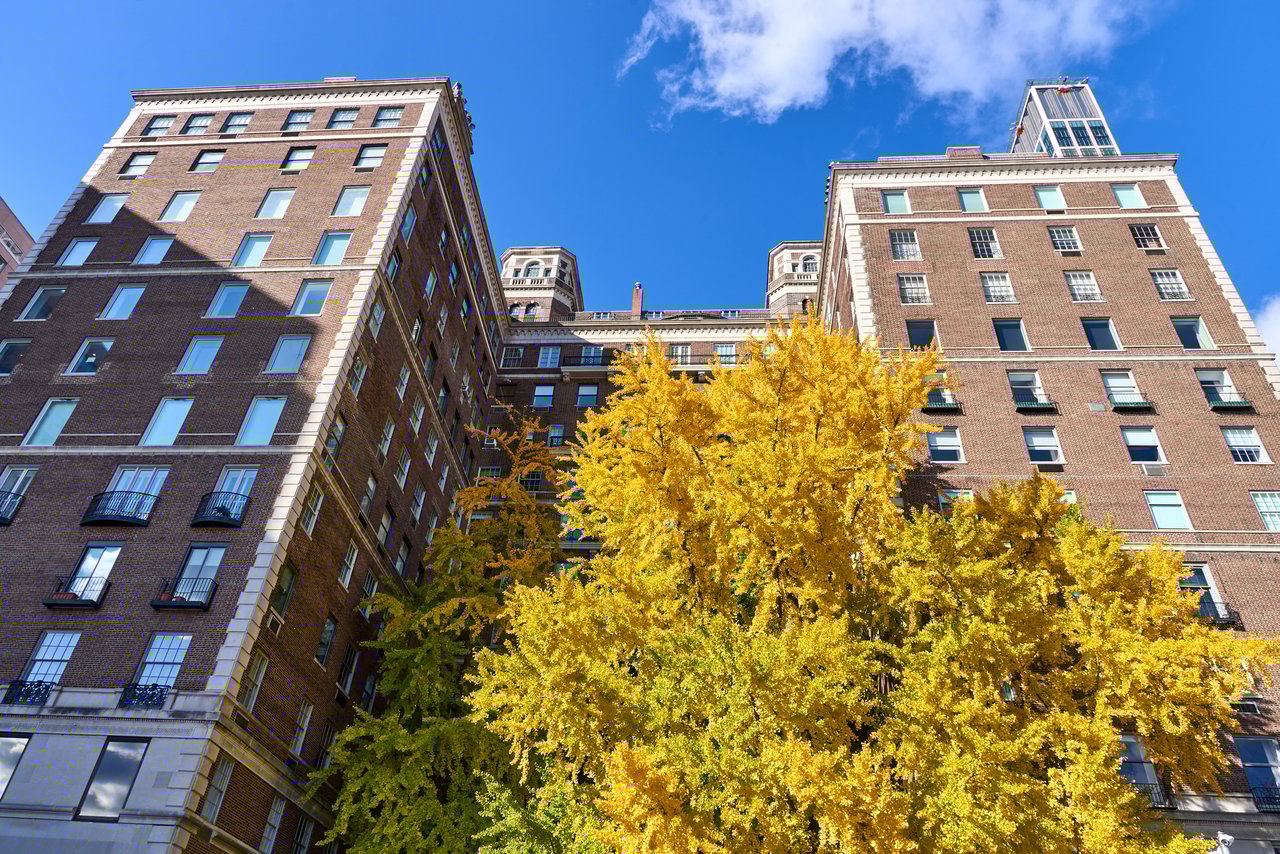
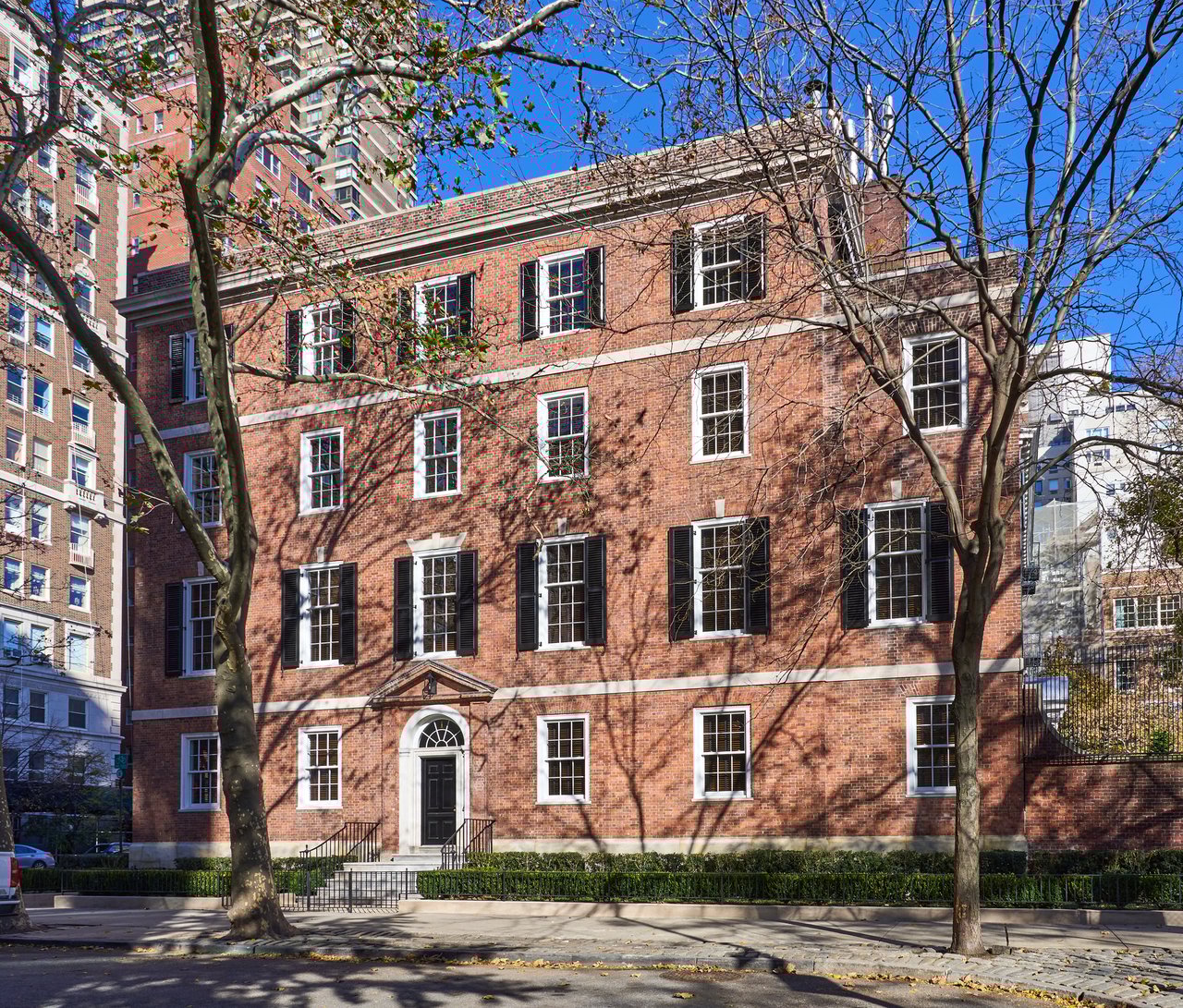
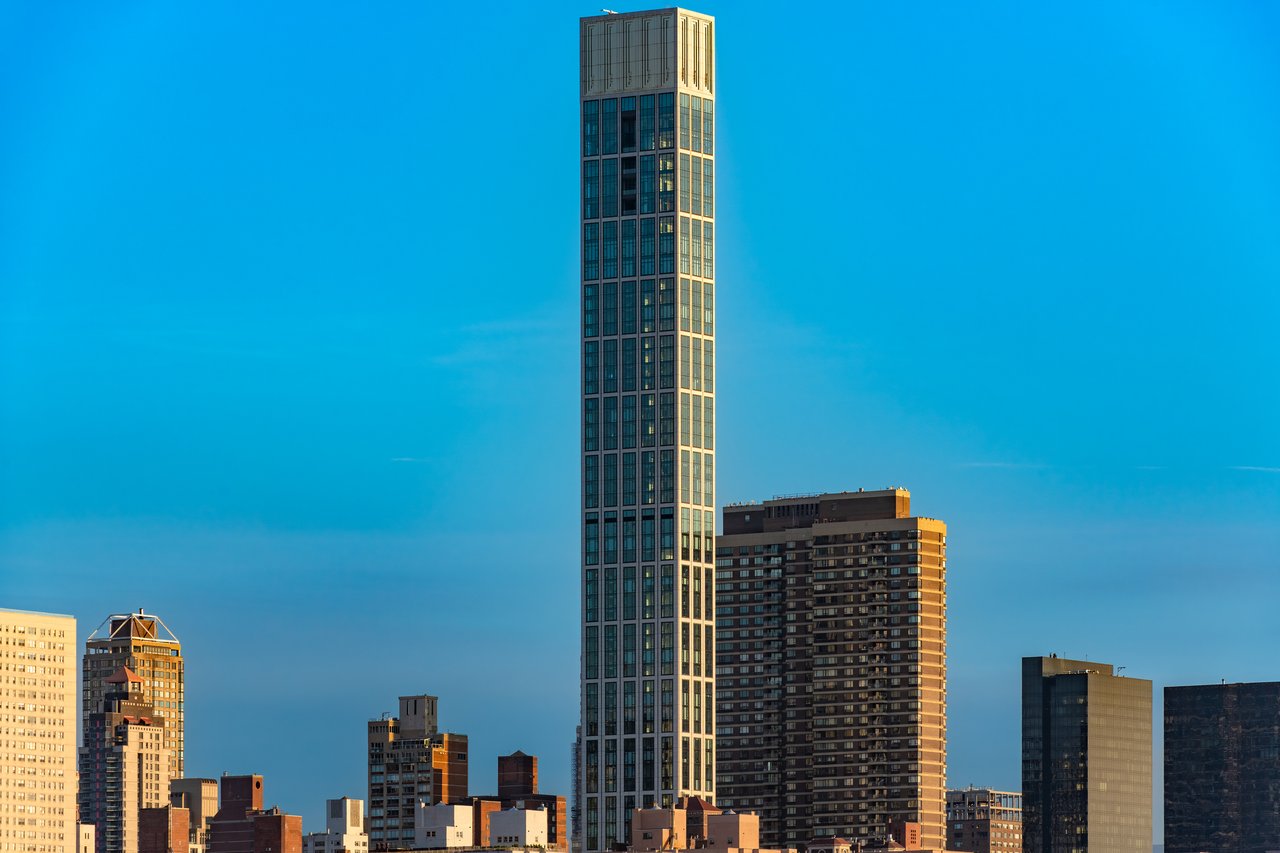


They sit adjacent on the map — Turtle Bay from 43rd to 53rd Streets, Sutton Place from 53rd to 59th — and they share an orientation toward the East River, a preference for discretion over self-promotion, and a residential identity that insulates them from the Midtown machinery just a few blocks to their west. Neither neighborhood makes much noise about itself. Both reward the people who choose them.
The name is among Manhattan's oldest surviving place names. It originates from the 17th century, when Dutch settlers recorded the sheltered cove along this stretch of the East River as Deutal Bay or Turtle Hooke — possibly a corruption of the Dutch word deutal, meaning "bent blade," in reference to the bay's shape, or a reference to the turtles that populated its calm inlet. The 1639 land grant to Hendrick de Forest made Turtle Bay one of the earliest settled waterfront tracts north of New Amsterdam. The cove was eventually filled in after the Civil War, the shoreline buried under breweries, gasworks, slaughterhouses, and railroad piers.
In the early 1920s, Charlotte Martin bought a group of 20 brownstones on 48th and 49th Streets between Second and Third Avenues and converted them into townhouses around a central Italian-inspired garden, called Turtle Bay Gardens. The architects removed the original stoops, refaced the facades in light-colored stucco, and reoriented the houses so that the living quarters looked onto a communal back garden rather than the street. Iron turtles were worked into the gate posts at entrances. The shared garden features old willow trees and a copy of a fountain from the Villa Medici in Rome.
The houses immediately attracted notable residents and have never really stopped. Turtle Bay Gardens has served as a year-round retreat for generations of actors and writers — a place where E.B. White could get writing done, where Stephen Sondheim could compose, and where Bob Dylan could avoid prying eyes, except for those of his next-door neighbor, Katharine Hepburn.
White lived at various addresses on East 48th Street on and off until 1957, and Sondheim firmly planted roots at 246 East 49th Street in 1960. Both men wrote much of their most acclaimed work during their time at Turtle Bay Gardens. White wrote Charlotte's Web while living on 48th Street.
Katharine Hepburn owned her rowhouse at 244 East 49th Street from 1931 until her death in 2003 — over 70 years. Her relationship with Sondheim next door was characteristically tart: she once banged on his garden door to complain that his piano playing was keeping her awake, and she later remarked that he was "a most disagreeable man" who was clearly not "a fireplace person."
The townhouses remain private residences. Passing them on the street from Second or Third Avenue, you'd have little reason to guess what lies between them.
Anchored by the United Nations campus, the area boasts dozens of countries' missions and consulates, and the types of businesses, restaurants, and specialty groceries that cater to a global clientele. The 39-story Secretariat Building has defined the neighborhood's skyline since its completion in 1952. On any given weekday, the flags of member nations line First Avenue in an unbroken row from 42nd to 48th Street — a daily visual reminder that Turtle Bay is one of the more genuinely cosmopolitan addresses in the world.
The proximity of so many diplomatic missions has practical consequences for residents: home to the United Nations headquarters and over 120 foreign consulates, Turtle Bay draws residents who experience a global and sophisticated day-to-day life. The restaurant and specialty food landscape reflects it — Turkish baklava, Japanese sushi, French pastries, Middle Eastern cafés, and international grocers serving diplomatic staff and the community around them.
Three pocket parks are woven into the neighborhood's fabric, and all three repay the effort of finding them.
Greenacre Park is a privately owned, publicly accessible park on East 51st Street between Second and Third Avenues. It was donated by Abby Rockefeller Mauzé in 1971 and designed by landscape architect Hideo Sasaki. The park features a 25-foot waterfall created by massive sculpted blocks with falling water, honey locust trees, and azaleas. It sits entirely between midblock buildings, invisible from the avenue, and receives more than 200,000 visitors a year. In a city that tends toward grandeur in its parks, Greenacre is a masterpiece of compressed serenity — a place that feels genuinely removed from the city even though the city is right there on both sides.
Dag Hammarskjöld Plaza, known as the "Gateway to the United Nations," functions as both civic forecourt and public forum, hosting farmers' markets, peace rallies, cultural festivals, and the Katharine Hepburn Gardens at its eastern end. Peter Detmold Park, along the FDR Drive, provides river access and walking paths.
Turtle Bay's residential character endures through its blend of architectural eras: the human-scaled brownstones of Turtle Bay Gardens, the modernist glass towers of the UN corridor, and the dignified co-ops of Beekman Place and East 51st Street. The neighborhood draws diplomats, journalists, professionals, and the kind of writers and artists who value quiet proximity to the city over visibility within it.
The closest subway stations are at the western border of the neighborhood, at Lexington Avenue/51st–53rd Streets on the 4, 6, E, and F lines, and Grand Central–42nd Street on the 4, 5, 6, 7, and S lines. Wikipedia Grand Central puts the entire Metro-North commuter network within walking distance, which matters for residents who travel to Connecticut or Westchester. The FDR Drive along the eastern edge handles car traffic efficiently when heading uptown or downtown by vehicle.
New York City has a rich assortment of desirable neighborhoods, but none whispers "quiet wealth" quite like Sutton Place. The elegant hamlet is bound by 59th Street, 53rd Street, First Avenue, and the East River. If the area feels remote from the rest of Manhattan's social geography, that's entirely deliberate. Sutton Place has always attracted people who want to be in the city without being available to it.
In 1875, clipper ship magnate Effingham B. Sutton built townhouses near the rocky bluffs overlooking Blackwell's Island. The view was enjoyed by people of modest wealth until slaughterhouses, breweries, and a coal yard overtook the riverbank and tenements sprang up. Then, in the 1920s, patrician reformers Anne Harriman Vanderbilt, Elisabeth Marbury, and Anne Morgan had the audacious idea of living near the downtrodden, and they rebuilt Sutton's broken-down brownstones.
The experiment worked. What had been a down-at-heel stretch of the East Side was transformed within a decade into one of the most refined residential addresses in the city. The Vanderbilts and Morgans brought their social networks and their decorators, and Sutton Place's identity as a neighborhood of quiet, serious wealth was established.
Well-known Sutton Place residents over the years have included members of the Vanderbilt family, Joan Crawford, Bobby Short, Freddie Mercury, and Michael Jackson. Marilyn Monroe and Arthur Miller shared a residence at 2 Sutton Place.
Sutton Place consists of grand townhouses and classic prewar co-ops on cobblestone streets and cul-de-sacs with no through traffic. The cul-de-sac design is the neighborhood's most distinctive physical feature — Sutton Place South dead-ends at the river, which means there's no reason to drive through unless you live here or are going to a specific address. The resulting quiet is dramatic by Manhattan standards. On a weekday afternoon, these blocks can feel closer to a European residential quarter than a neighborhood in the middle of one of the world's most congested cities.
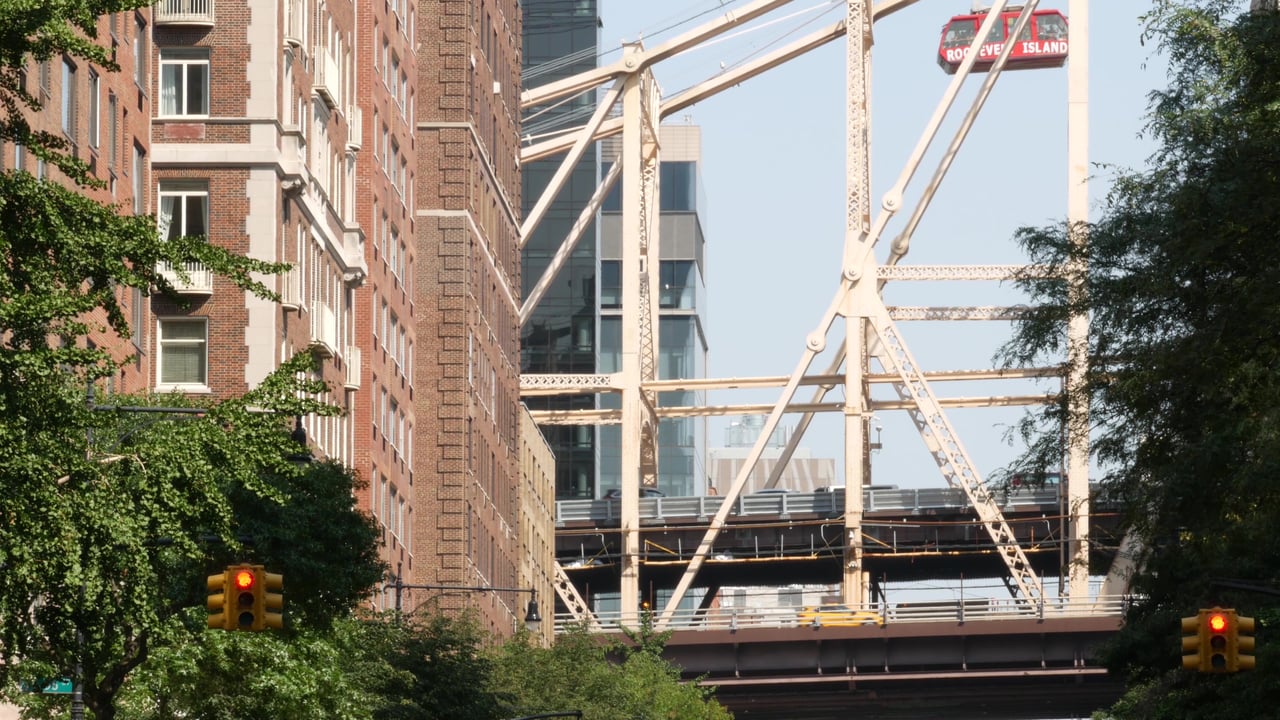
Sutton Place Park is accessible via a stairway that runs down to the water, almost completely camouflaged behind a chain of townhomes. At the bottom, visitors are greeted by a bronze wild boar statue modeled after an Italian Renaissance sculpture, then the park gives way to the expansive promenade overlooking the East River. The park is a series of five small green spaces strung along the waterfront, offering benches, river views, and the Queensboro Bridge framed overhead. It's not a grand park — it wasn't designed to be — but as a place to sit quietly with the city at your back and the river in front of you, it's hard to match anywhere in Manhattan below 72nd Street.
Mr. Chow has been serving Chinese food in its elegant Sutton Place setting since 1979. After all these years, it's still considered a place to see and be seen. When it opened, Andy Warhol and Jean-Michel Basquiat were regulars, and the room carries that particular combination of glamour and longevity that few New York restaurants manage to sustain across decades. Smith & Wollensky, the American steakhouse on Third Avenue at 49th Street, has been open since the 1970s and remains a reliable destination for serious cuts of meat and an old-money atmosphere.
Sutton Bar Room is a friendly neighborhood spot with an upscale air befitting the neighborhood, serving classic and creative cocktails plus craft beers and a curated wine selection, with regular live Irish music and weekly trivia nights. Morso, the Italian small-plates restaurant with a large terrace, has become a neighborhood anchor for residents who appreciate the ability to nibble through a menu rather than commit to a single course.
The Ideal Cheese Shop, a gourmet cheese purveyor featuring more than 250 varieties sourced from 17 different countries, has long been a neighborhood institution.
The 4, 5, 6, N, Q, and R trains at 59th Street and Lexington Avenue are the nearest stations, roughly a ten-minute walk from the eastern end of the neighborhood. Residents generally accept this as the cost of the quiet.
There's plenty to do around Turtle Bay / Sutton Place, including shopping, dining, nightlife, parks, and more. Data provided by Walk Score and Yelp.
Explore popular things to do in the area, including PoshFitness.com.
16,772 people live in Turtle Bay / Sutton Place, where the median age is 39 and the average individual income is $132,123. Data provided by the U.S. Census Bureau.
Total Population
Median Age
Population Density Population Density This is the number of people per square mile in a neighborhood.
Average individual Income
With over a decade of expertise in Manhattan and Brooklyn, Brandon Mason looks forward to providing you with a real estate experience that is second to none. Feel free to explore our website, and contact Brandon with any questions you may have.
Let's Connect