

Brandon Mason
Phone
(917) 924-2145
Email
[email protected]

Upper Manhattan — everything north of 110th Street — is the largest and most diverse stretch of the island. Each neighborhood has its own rhythm, its own attributes, and more history per block than most of the city combined.
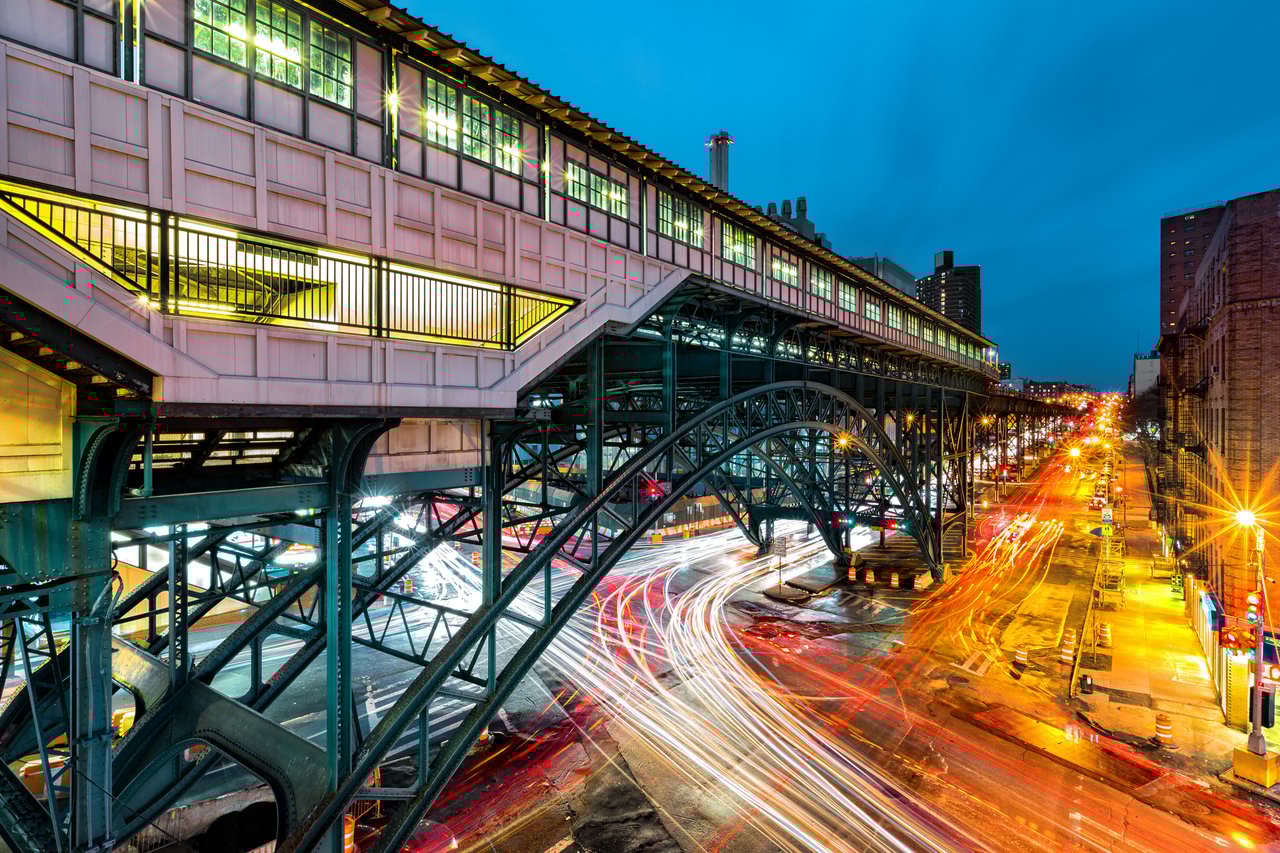
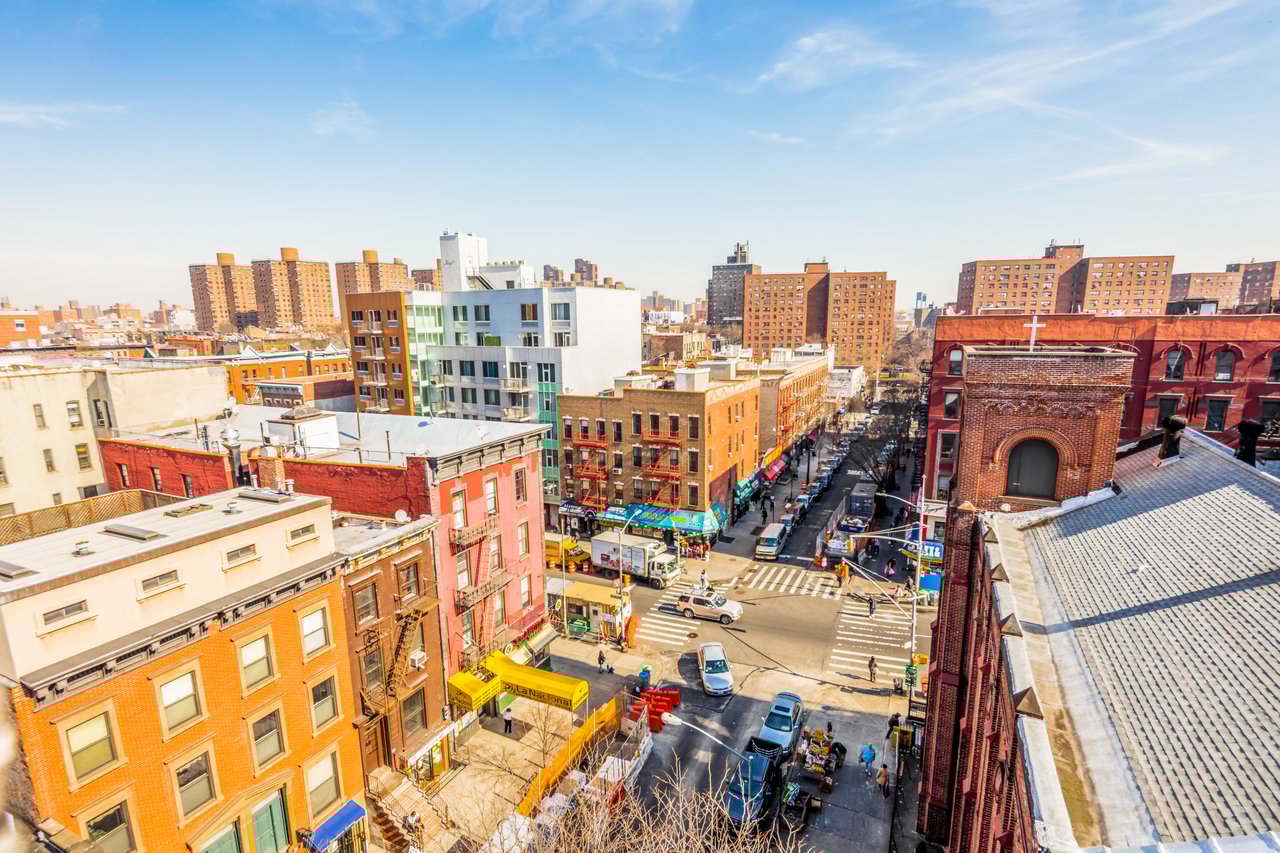
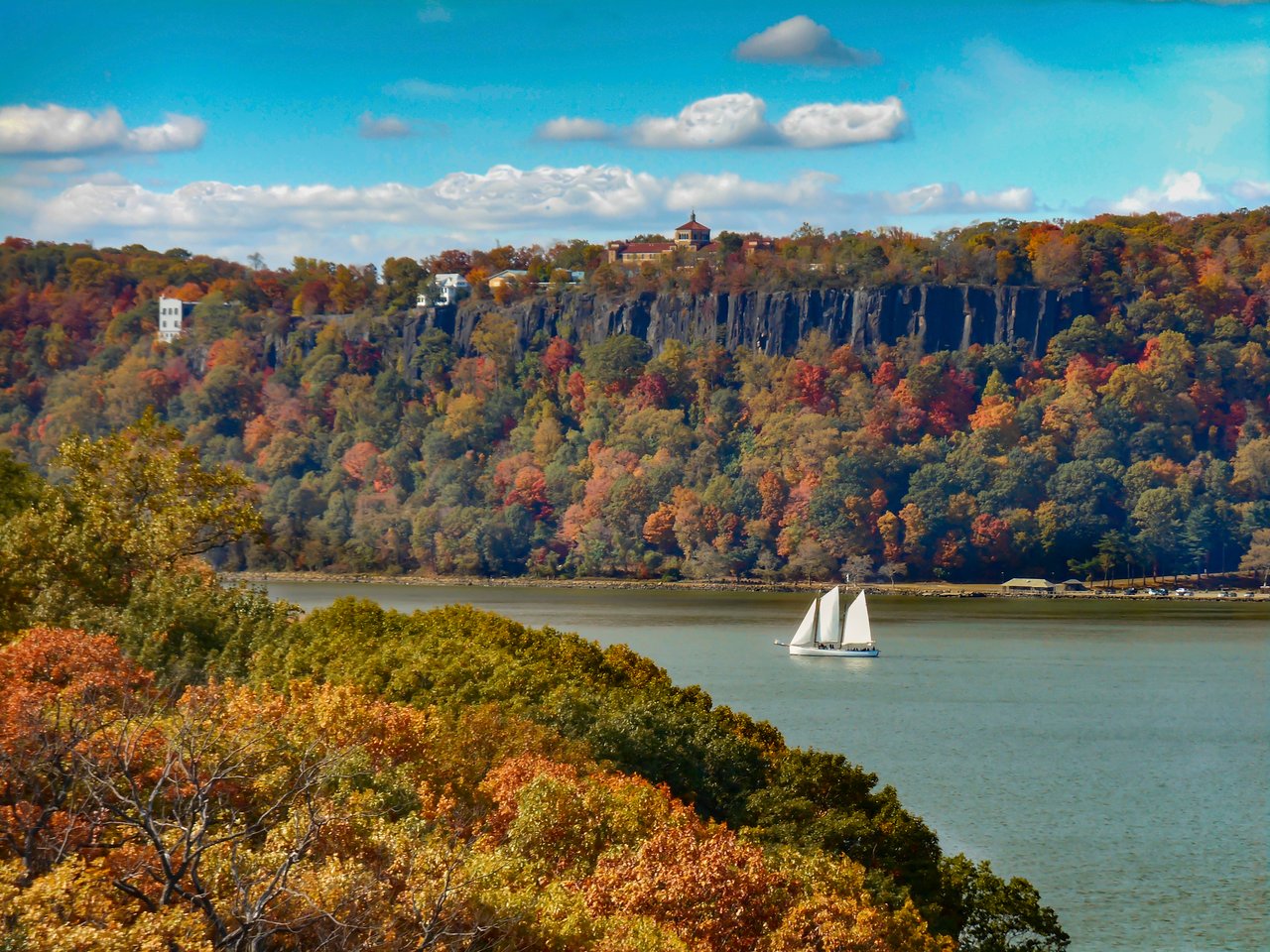
Upper Manhattan — everything north of 110th Street — is the largest and most diverse stretch of the island. Each neighborhood has its own rhythm, its own attributes, and more history per block than most of the city combined. Here's a little of what each neighborhood has to offer.
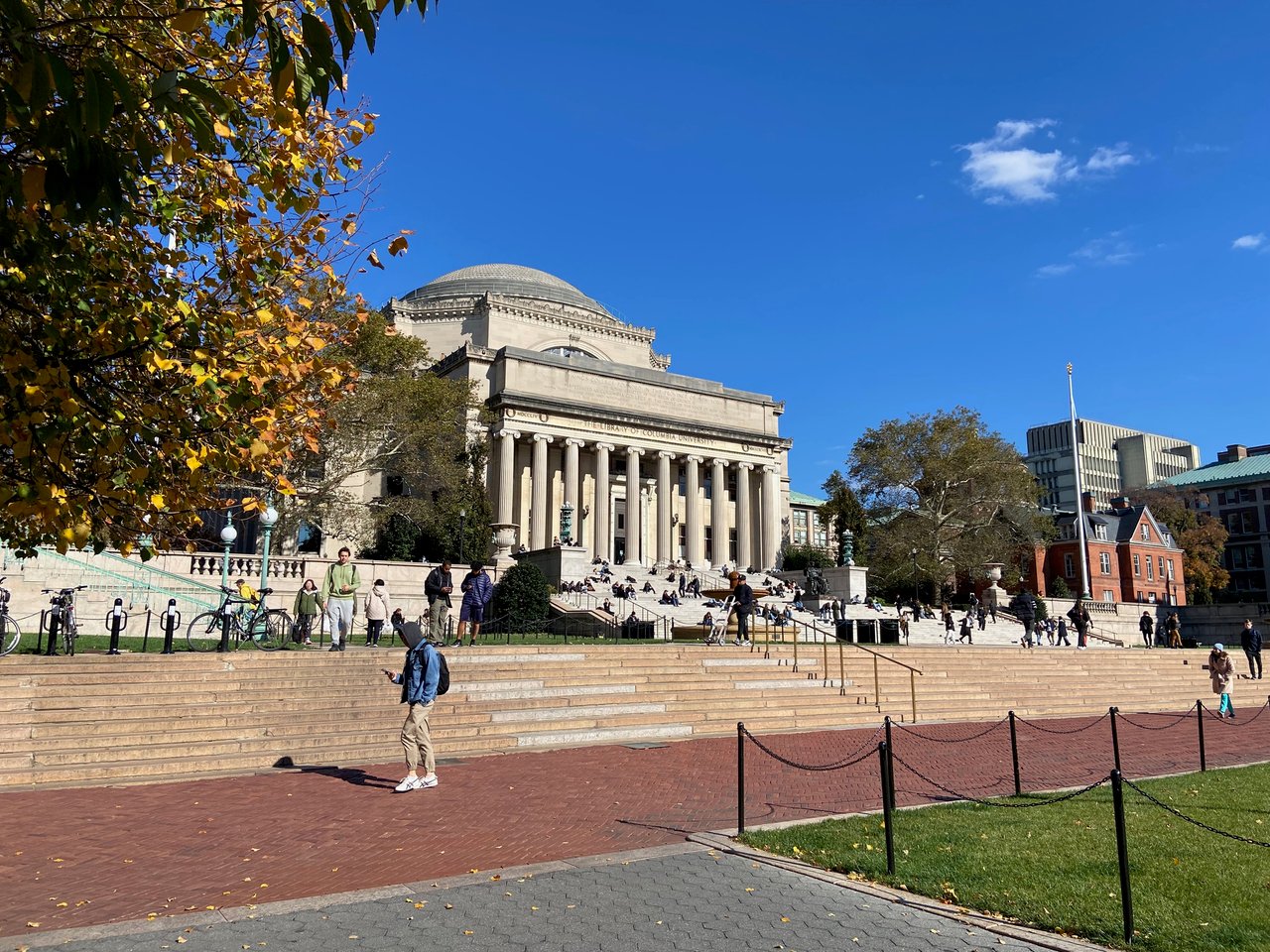
Morningside Heights occupies a high plateau between 110th and 125th Streets, bookended by Morningside Park to the east and Riverside Park to the west. Its nexus is Columbia University, which owns an enormous share of the neighborhood's real estate and sets much of its tone. The neighborhood is the largest student neighborhood in New York City, and that distinction gives it a college-town feeling that's rare anywhere on the island. 6sqft
The concentration of academic institutions — Columbia, Barnard, Manhattan School of Music, Union Theological Seminary, Teachers College — means the neighborhood sustains a genuine intellectual and artistic culture year-round. Performance spaces like the Miller Theater at Columbia and the Manhattan School of Music host events that draw audiences from across the city, 6sqft often at prices well below what you'd pay in Midtown for comparable programming.
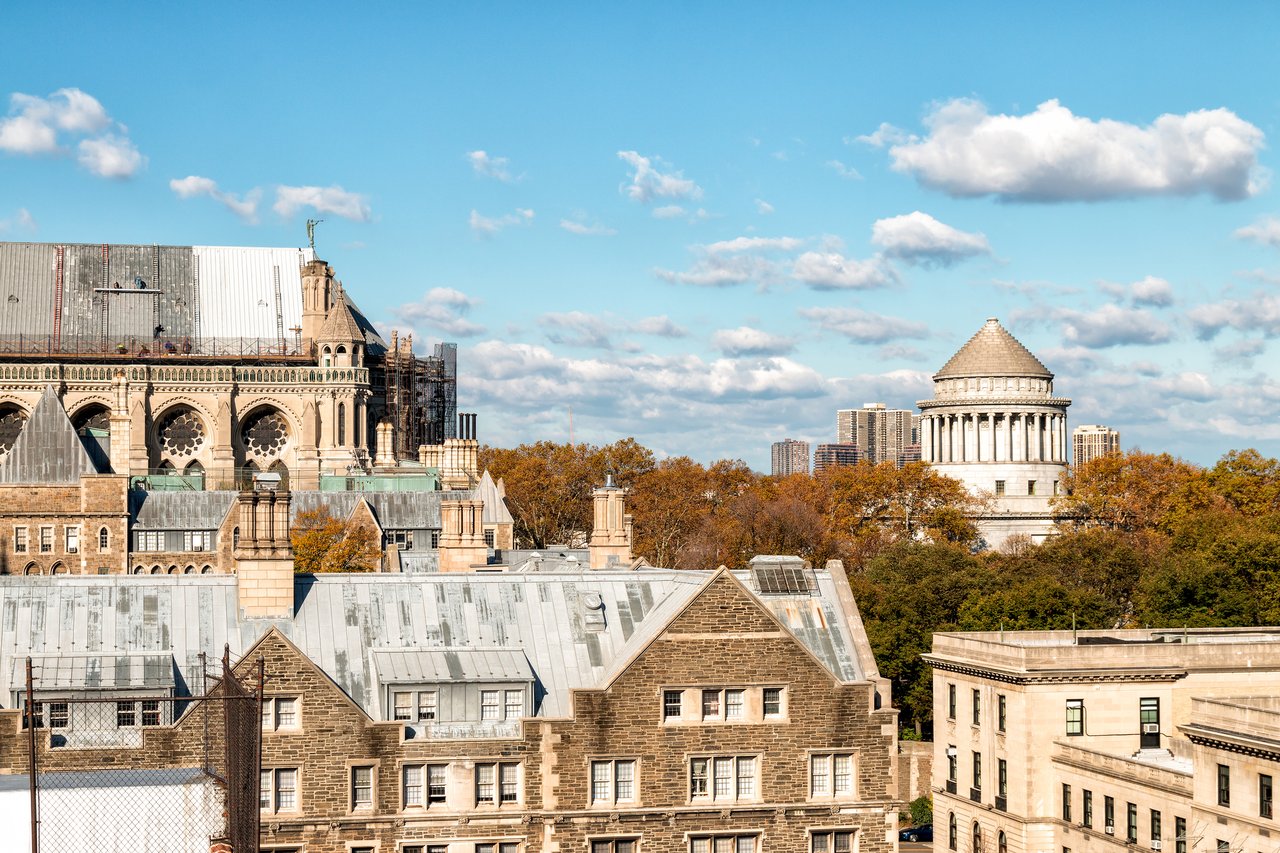
The Cathedral of St. John the Divine, seat of the Episcopal Diocese of New York, is among the world's largest churches and serves as a venue for popular community events, religious and otherwise. 6sqft It's been under construction for over a century and remains unfinished — which somehow makes it more interesting, not less.
On Broadway and Amsterdam Avenue, the commercial strip runs toward the practical and the affordable: coffee shops, cheap restaurants, bookstores, and the beloved Hungarian Pastry Shop on 111th Street, which has been a neighborhood institution for decades. Riverside Park offers miles of greenway along the Hudson. The 1 train and the A/B/C/D lines make the commute to Midtown straightforward.
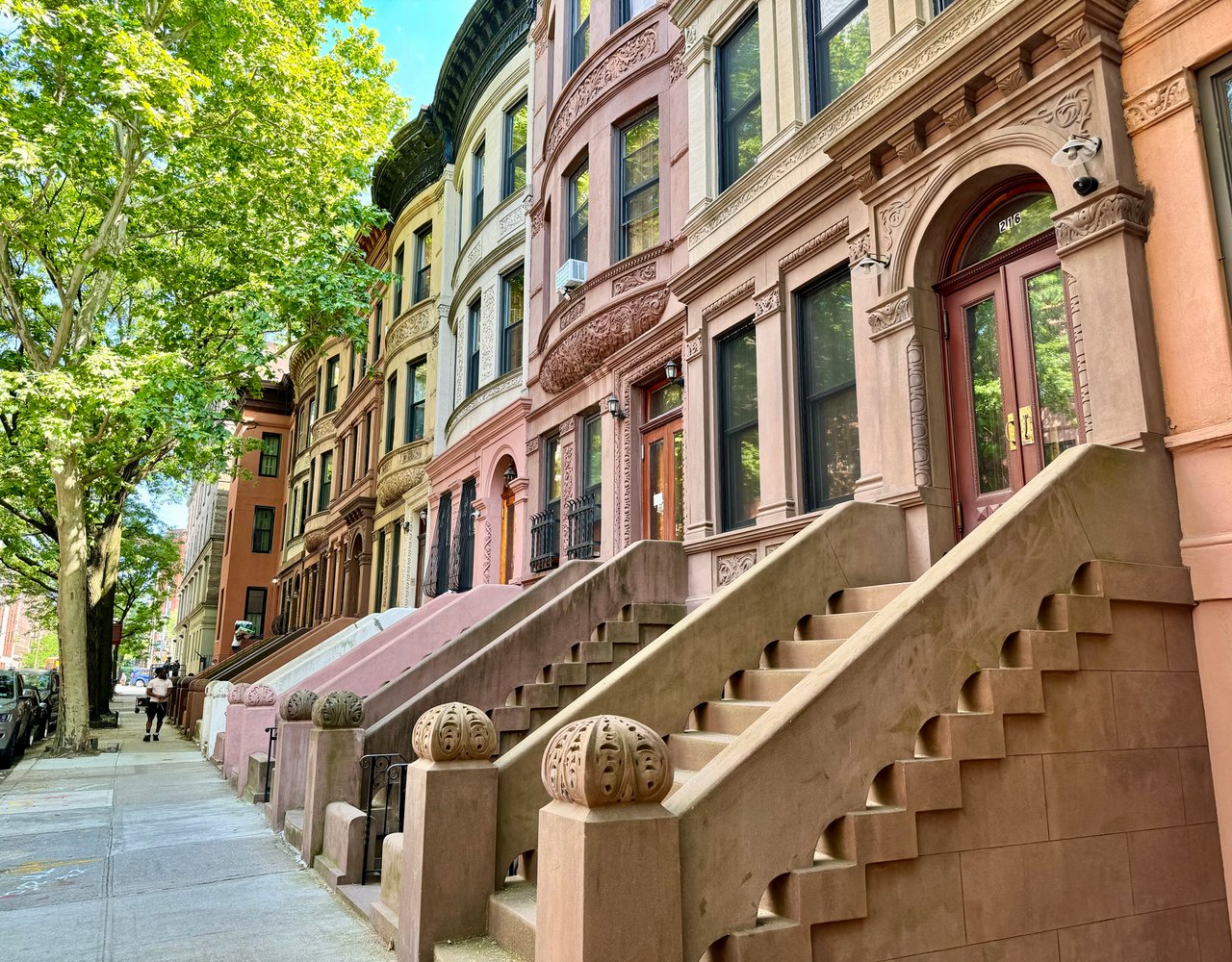
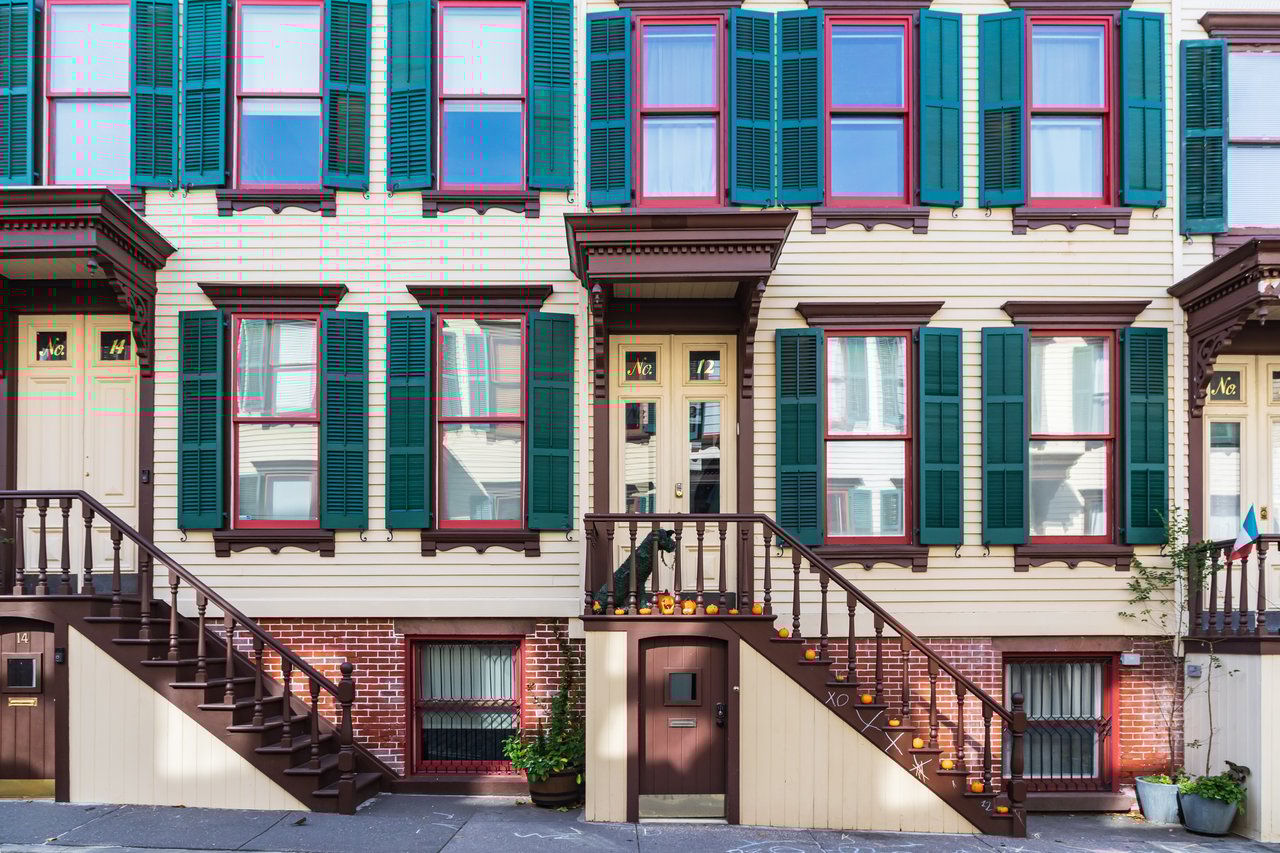
Hamilton Heights runs roughly from 135th to 155th Streets on the west side of Manhattan, and it's one of the most architecturally beautiful neighborhoods in the entire city. George Washington headquartered here in 1776, Alexander Hamilton built his country home here, George Gershwin wrote his first hit here, and Ralph Ellison wrote Invisible Man within these blocks. The Skyscraper Museum The streets are lined with landmarked rowhouses, brownstones, and pre-war buildings that in other neighborhoods would command a significant premium.
In the northeast section of Hamilton Heights is Sugar Hill, a sub-neighborhood that was a desirable address for affluent Black families in the 1930s and remains upscale today, with elegant brownstones and castle-like mansions on tree-lined streets. Good Migrations Thurgood Marshall, Duke Ellington, W.E.B. Du Bois, and Mary Lou Williams all lived here. The area carries that history in its bones without being defined only by it.
The City College of New York anchors the neighborhood, its neo-Gothic Shepard Hall rising dramatically above Amsterdam Avenue. The Hamilton Grange National Memorial preserves Hamilton's actual house on 141st Street. The Audubon Mural Project has painted the neighborhood with large-scale images of birds depicted by John James Audubon in his early 19th century folio — a public art project that spans dozens of buildings. Wikipedia
Riverbank State Park, built atop a water treatment facility 69 feet above the Hudson River, offers pools, athletic fields, tennis and basketball courts, a running track, a theater, and playgrounds. Good Migrations It's one of the more underappreciated outdoor spaces in the city.
Hamilton Heights has absorbed a wave of young professionals and artists over the past decade, drawn by the architecture, space, and relative affordability. The dining scene along Broadway and Amsterdam has improved steadily. ROKC in West Harlem, just south, draws people from all over the city for its ramen and cocktails.
Harlem is not one neighborhood — it has five zip codes and touches two rivers — but Central Harlem, bounded roughly by Fifth Avenue to the east and Morningside Park to the west, is the heart of it.
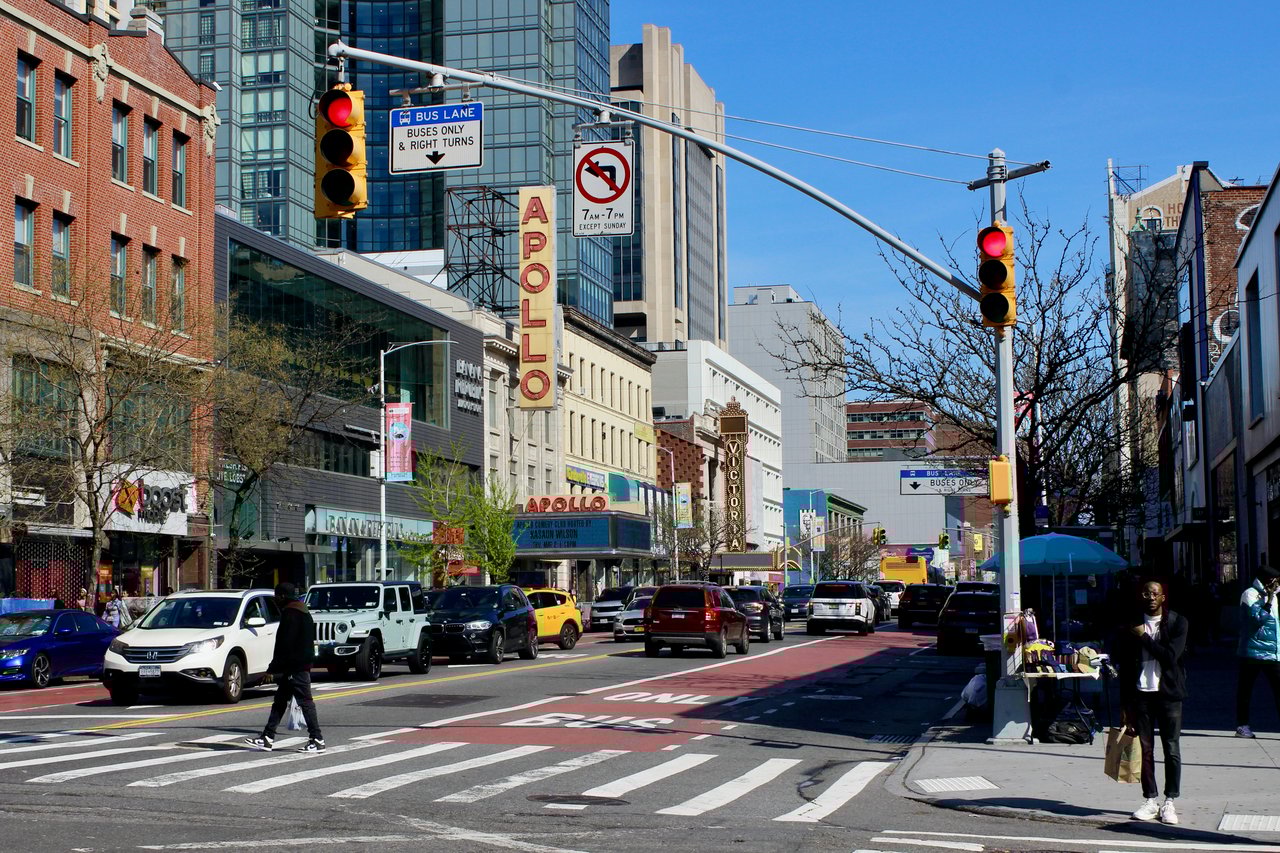
The cultural anchors are iconic. The Apollo Theater on 125th Street has hosted Ella Fitzgerald, James Brown, and Aretha Franklin, and remains an active venue for concerts, comedy, and community events. The Studio Museum in Harlem, which completed a major new building designed by Adjaye Associates, is one of the leading institutions dedicated to artists of African descent in the world. The Schomburg Center for Research in Black Culture is a world-class archive and exhibition space.
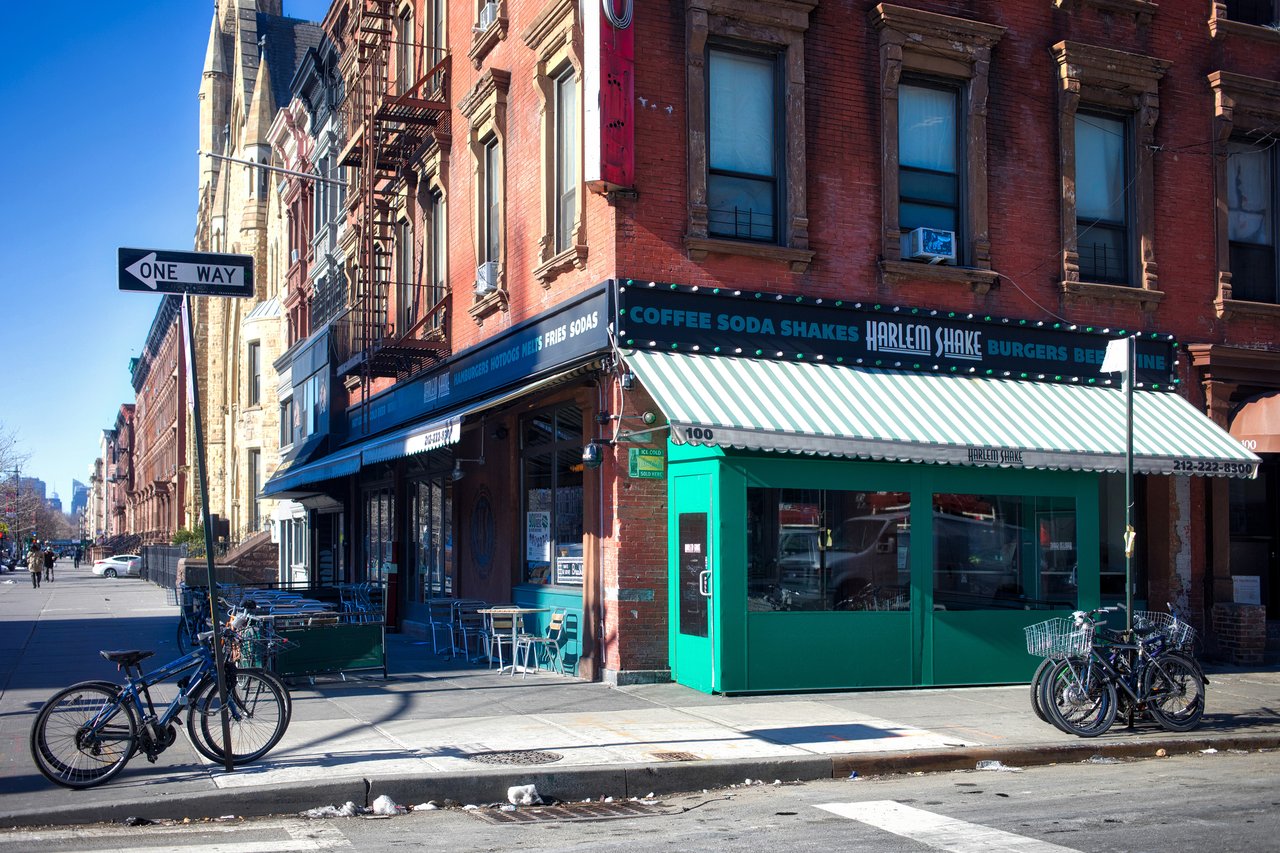
The food scene on and around Frederick Douglass Boulevard has developed into something genuinely compelling. Red Rooster, Marcus Samuelsson's flagship on Lenox Avenue, celebrates the roots of American cuisine through a global lens, with live jazz in the basement most nights. Red Rooster Harlem Sylvia's, open since 1962, remains the standard-bearer for soul food on 126th Street. For Ethiopian food, Abyssinia is an ideal neighborhood spot where the meat and vegetable combo with injera runs around $25 per person. For something more eclectic, Silvana on Frederick Douglass is a café, Israeli restaurant, and gift shop by day, live music venue by night. The Infatuation The Harlem smashburger at Harlem Shake, which opened in 2013, is one of the best burgers in the city.
East Harlem runs from 96th Street north to the Harlem River, east of Fifth Avenue. Its identity is rooted in its Puerto Rican and broader Latino heritage — it's been called El Barrio for generations — though the neighborhood's demographics have shifted considerably with successive waves of immigration from Mexico, West Africa, and elsewhere.
East Harlem's diverse history, including large numbers of Italian, Latin American, and Chinese immigrants, has produced a varied and expanding restaurant scene. Columbia Neighbors Taco Mix has been serving authentic Mexican street food since 1991. Amor Cubano brings live music and Cuban cooking to a room that consistently feels like a party. Contento, which opened more recently, has earned attention for its accessible tasting menu and natural wine program. The neighborhood also retains a strong Italian-American thread in its older dining institutions — East Harlem was Little Italy before Little Italy was Little Italy.
Central Park's six acres of formal Conservatory Garden sit adjacent to East Harlem at Fifth Avenue and 105th Street, one of the more beautiful and undervisited spaces in the park. The neighborhood is connected by the 4, 5, and 6 trains along Lexington Avenue.
Washington Heights occupies the long stretch from 155th to Dyckman Street, and it is unambiguously the cultural center of Dominican New York. The northern section, sometimes called Little Dominican Republic, is dense with family restaurants, bodegas, salons, and businesses that have served the community for decades. Malecon, on Broadway, has been serving mofongo and other staples for years and remains a neighborhood anchor. Homes.com
The geography here is dramatic. The neighborhood sits on one of the highest ridges in Manhattan, with views of the Hudson and New Jersey that rival anything downtown. Washington Heights is surrounded by green space: Fort Tryon Park to the north, Highbridge Park to the east, and the Hudson River Greenway along its western edge. Homes.com Bennett Park, at the highest natural point of Manhattan, marks where a Revolutionary War fort once stood.
The United Palace, a lavishly ornamented 1930s theater on Broadway, hosts film nights, children's programming, and major events — it held the 2023 Tony Awards. Homes.com Columbia University Irving Medical Center and NewYork-Presbyterian Hospital constitute one of the largest medical campuses in the country, bringing a significant professional community to the neighborhood.
The A express train from 181st Street reaches Midtown in roughly 25 minutes, making Washington Heights one of the better commuting deals in Manhattan.
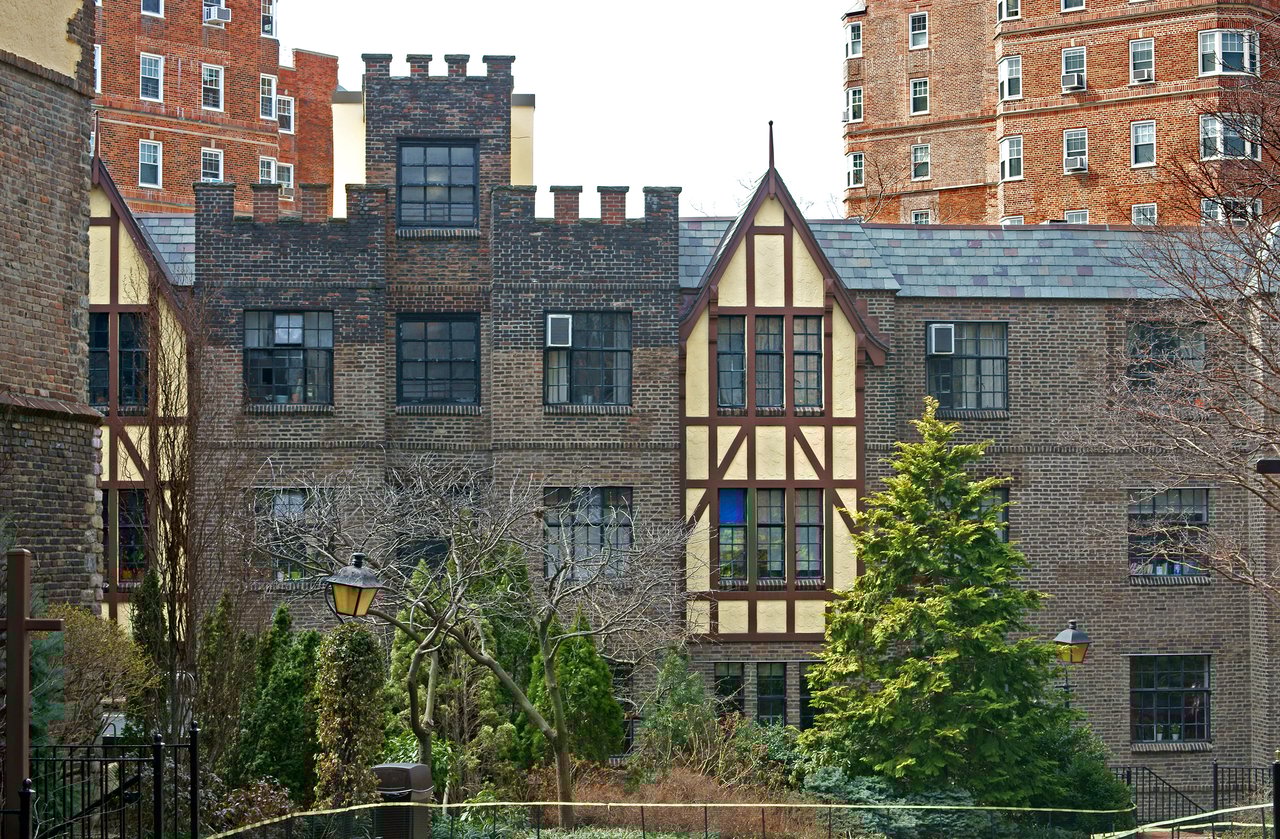
Hudson Heights is the elevated western pocket of Washington Heights, and it has a character specific enough that residents insist on the distinction. Atop a plateau overlooking the Hudson, the neighborhood is characterized by gorgeous Art Deco and Tudor-style co-op buildings, a diverse and international population, and a quieter atmosphere than the Broadway corridor below.
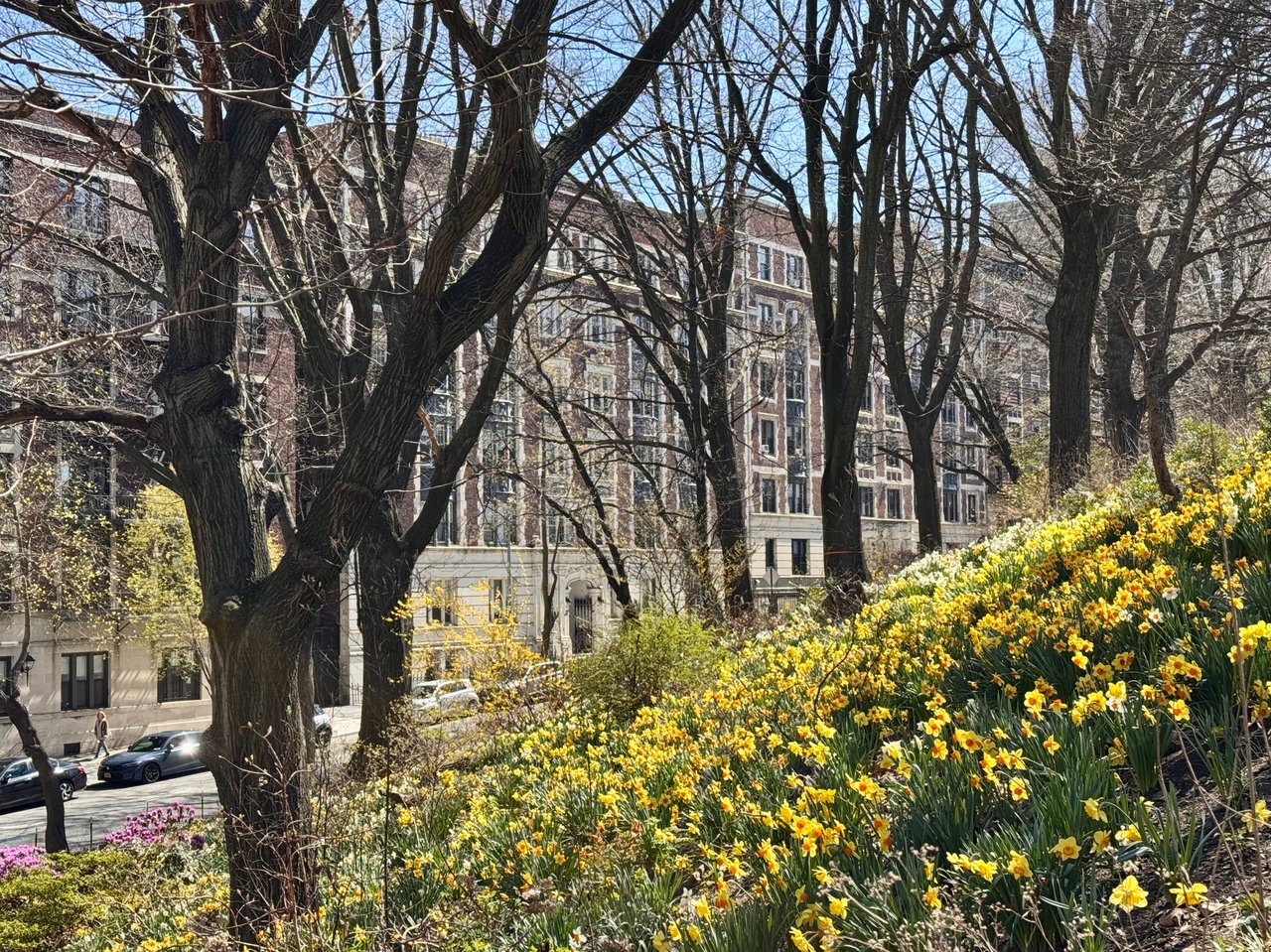
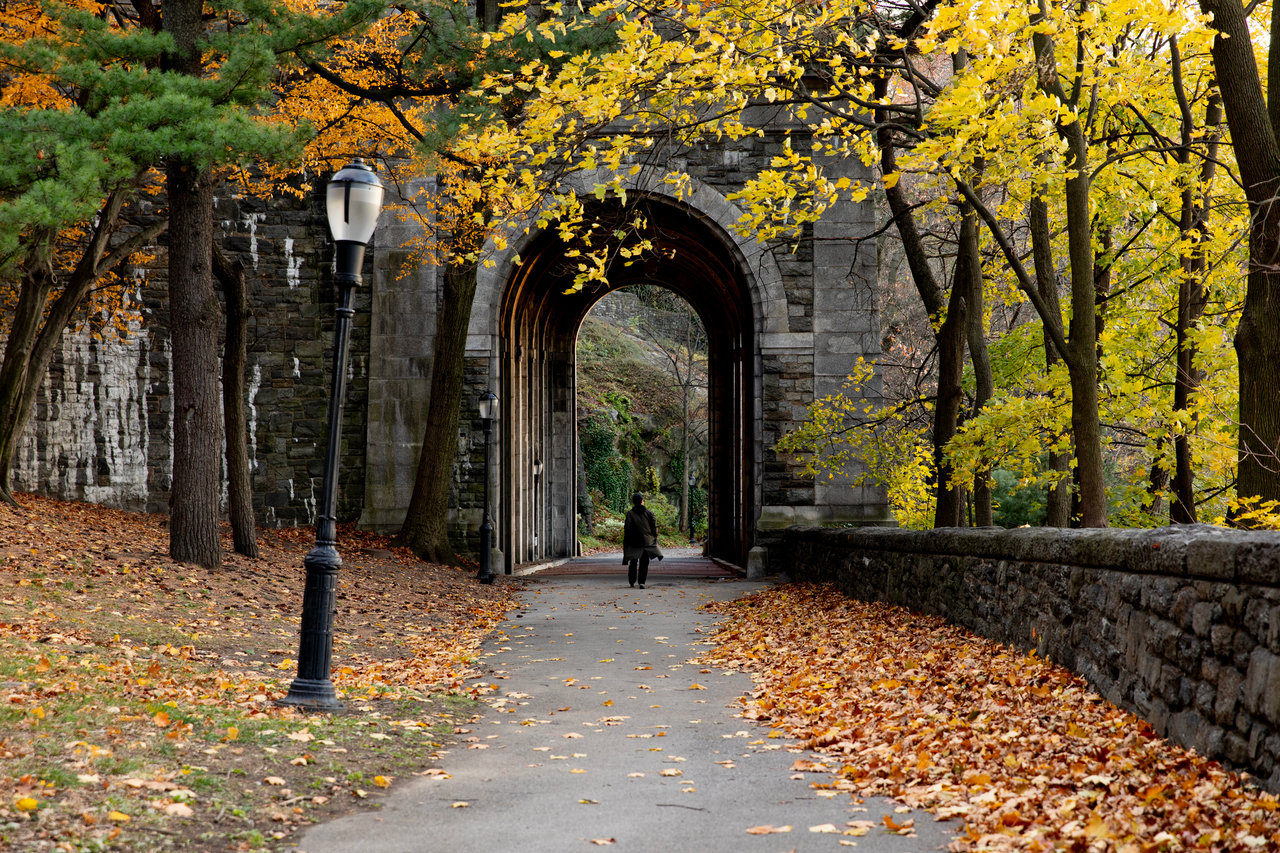
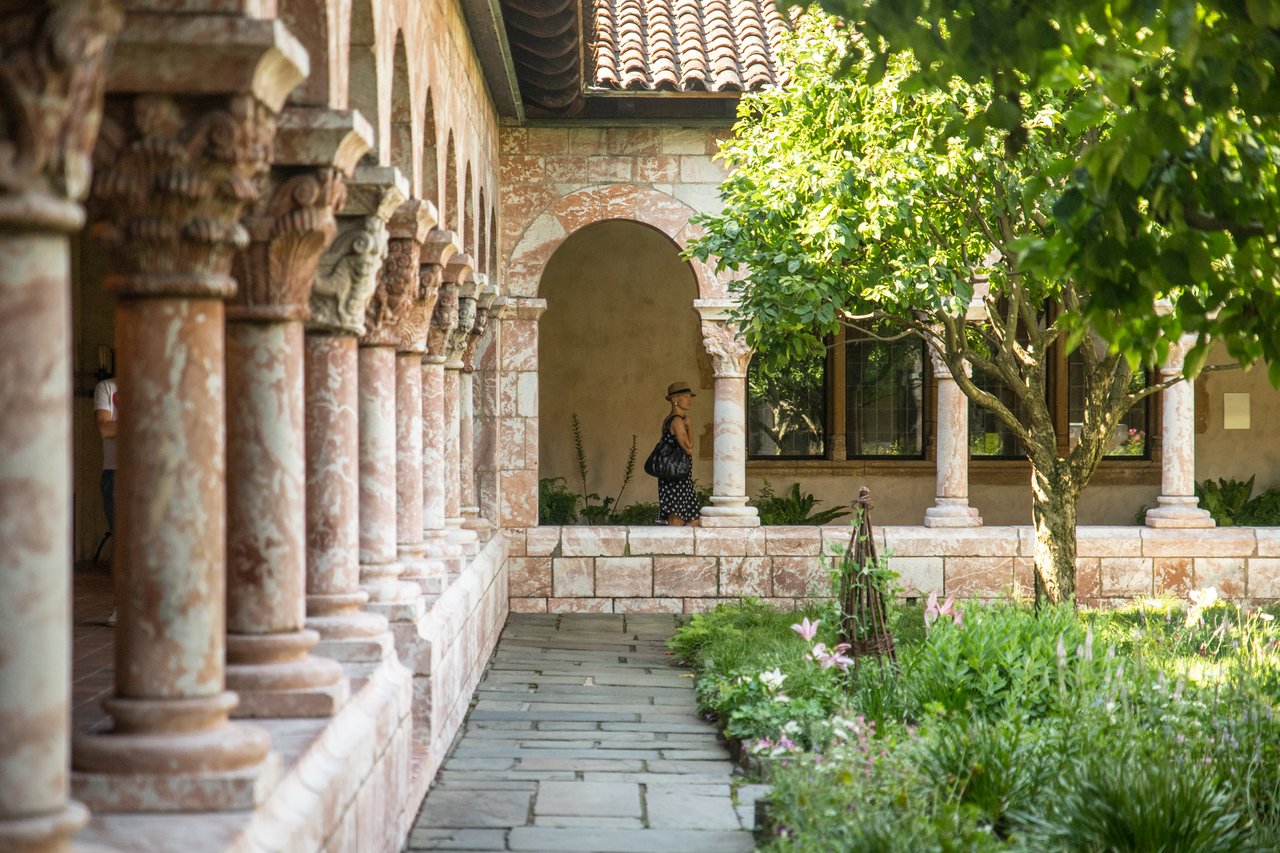
Fort Tryon Park is right here, and it's exceptional. The park's eight miles of pathways, wide-open lawns, playgrounds, ping-pong tables, volleyball courts, and New York City's largest dog run make it a genuine destination. Nested within the park is The Cloisters, the Metropolitan Museum of Art's branch dedicated to medieval European art, housed in a building partially reconstructed from actual 13th-century French monastery architecture. It's one of the most unusual museum experiences in the city and draws a fraction of the crowds that visit the main Met.
Hudson Heights tends to attract a mix of longtime residents, families who want space and quiet, and newcomers who want the pre-war co-op experience without the prices they'd encounter further downtown.
Inwood is the last neighborhood before the Bronx, and it feels like it. That's a compliment. Inwood has an almost suburban energy — a rarity in Manhattan. Inwood Hill Park features old-growth forests, kayaking opportunities, and birdwatching zones. It's one of the few places in New York City where you can hike and not hear traffic.
Inwood Hill Park is where, according to legend, Peter Minuit purchased Manhattan from the Lenape people in 1626. The site is marked by Shorakkopoch Rock, where a tulip tree stood for centuries before a storm took it down in 1933. Brick Underground The park is not the curated greenery of Central Park — it's a genuinely wild landscape, with caves, glacial rock formations, and uninterrupted forest canopy.
Because Inwood sits at the top of the island and requires some effort to reach from downtown, it has developed a small-town, family-friendly vibe where everyone knows everyone. Brick Underground The neighborhood is predominantly Dominican, with pockets of longer-established Irish and Jewish communities. Broadway and Dyckman Street anchor the commercial life, with restaurants, cafés, and local businesses that have served the community across generations.
The A express train at 207th Street reaches Times Square in about 30 minutes. The 1 train provides local service. Metro-North is accessible at nearby Marble Hill for faster access to Grand Central.
One of the consistent surprises for people who move to Upper Manhattan is how fast the commute is. The express trains — A, B, C, D — run through multiple neighborhoods and reach Midtown in 20 to 30 minutes even from the northern tip of the island. Brick Underground The density of subway lines is, if anything, greater than in many neighborhoods much closer to downtown.
The broader case for Upper Manhattan comes down to this: more space, more architectural character, more cultural depth, and a stronger sense of neighborhood identity than you'll find at comparable or higher price points elsewhere on the island. The trade is distance from the center of things — which, depending on what you value, may not feel like a trade at all.
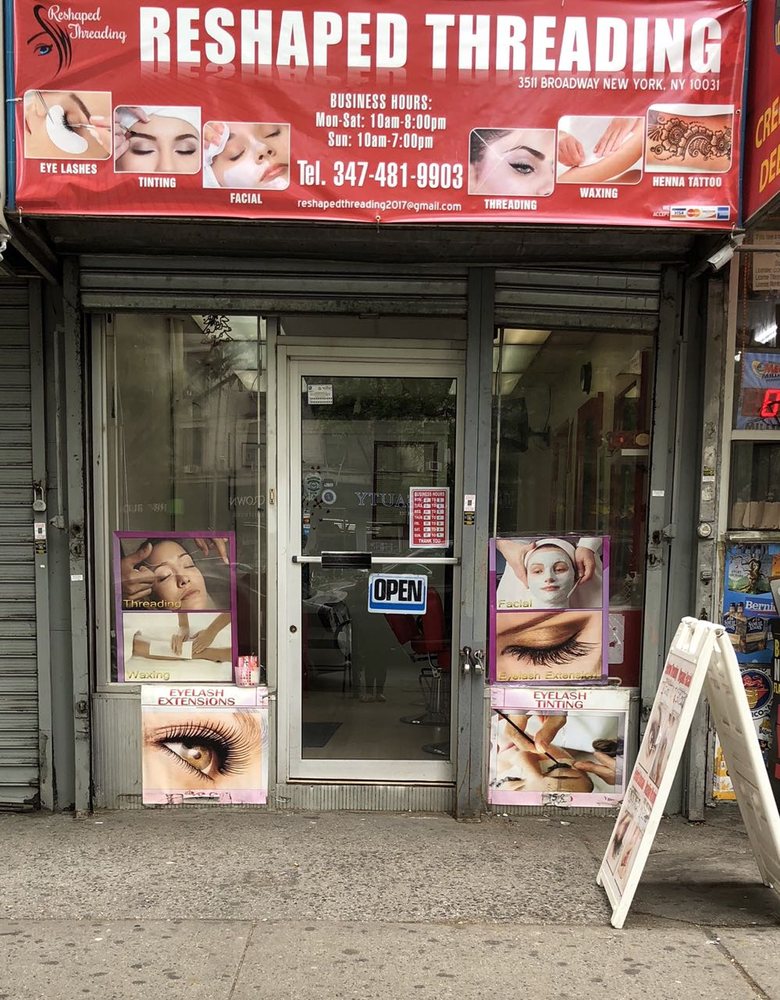
There's plenty to do around Upper Manhattan, including shopping, dining, nightlife, parks, and more. Data provided by Walk Score and Yelp.
Explore popular things to do in the area, including 2676 Grocery Store, Multiservices On The Run, and 228 W Harlem Deli & Grocery.
| Name | Category | Distance | Reviews |
Ratings by
Yelp
|
|---|---|---|---|---|
| Dining | 0.24 miles | 0 reviews | 0/5 stars | |
| Dining | 0.27 miles | 0 reviews | 0/5 stars | |
| Dining | 0.28 miles | 0 reviews | 0/5 stars | |
| Dining | 0.28 miles | 0 reviews | 0/5 stars | |
| Dining | 0.59 miles | 0 reviews | 0/5 stars | |
| Dining | 0.61 miles | 0 reviews | 0/5 stars | |
| Dining | 0.86 miles | 0 reviews | 0/5 stars | |
| Dining | 0.94 miles | 0 reviews | 0/5 stars | |
| Dining | 0.96 miles | 0 reviews | 0/5 stars | |
| Shopping | 0.43 miles | 0 reviews | 0/5 stars | |
| Active | 1.03 miles | 0 reviews | 0/5 stars | |
| Beauty | 0.18 miles | 0 reviews | 0/5 stars | |
| Beauty | 0.54 miles | 0 reviews | 0/5 stars | |
| Beauty | 0.61 miles | 0 reviews | 0/5 stars | |
| Beauty | 0.86 miles | 0 reviews | 0/5 stars | |
| Beauty | 0.97 miles | 0 reviews | 0/5 stars | |
|
|
||||
|
|
||||
|
|
||||
|
|
||||
|
|
||||
|
|
553,469 people live in Upper Manhattan, where the median age is 39 and the average individual income is $43,059. Data provided by the U.S. Census Bureau.
Total Population
Median Age
Population Density Population Density This is the number of people per square mile in a neighborhood.
Average individual Income
With over a decade of expertise in Manhattan and Brooklyn, Brandon Mason looks forward to providing you with a real estate experience that is second to none. Feel free to explore our website, and contact Brandon with any questions you may have.
Let's Connect